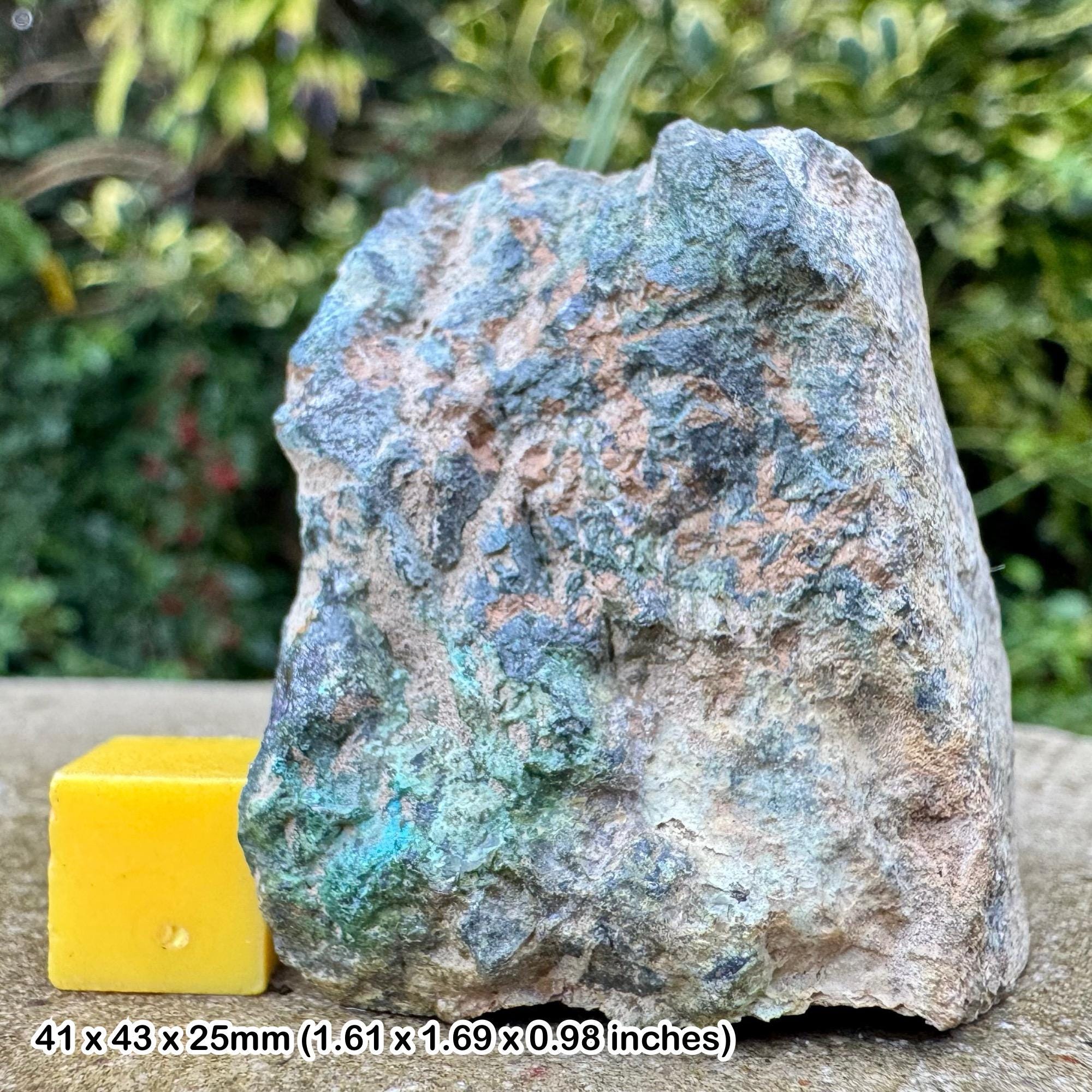
Lollingite Crystal Penlee Quarry Newlyn Cornwall UK Iron Arsenide Specimen
£ 32.40
GENUINE LÖLLINGITE – PENLEE QUARRY, NEWLYN, PENZANCE, CORNWALLThis Löllingite specimen from Penlee Quarry, Newlyn, near Penzance, Cornwall,
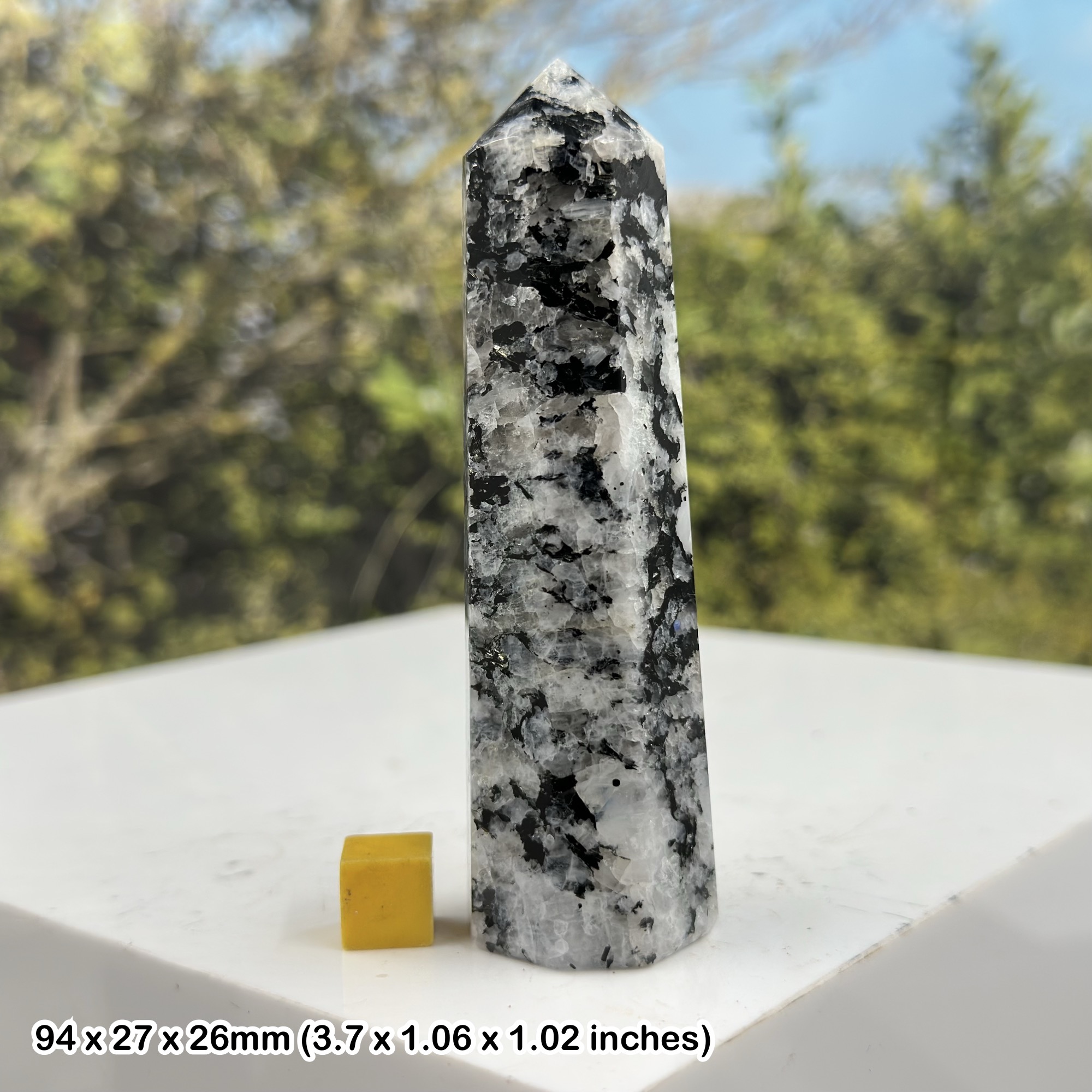
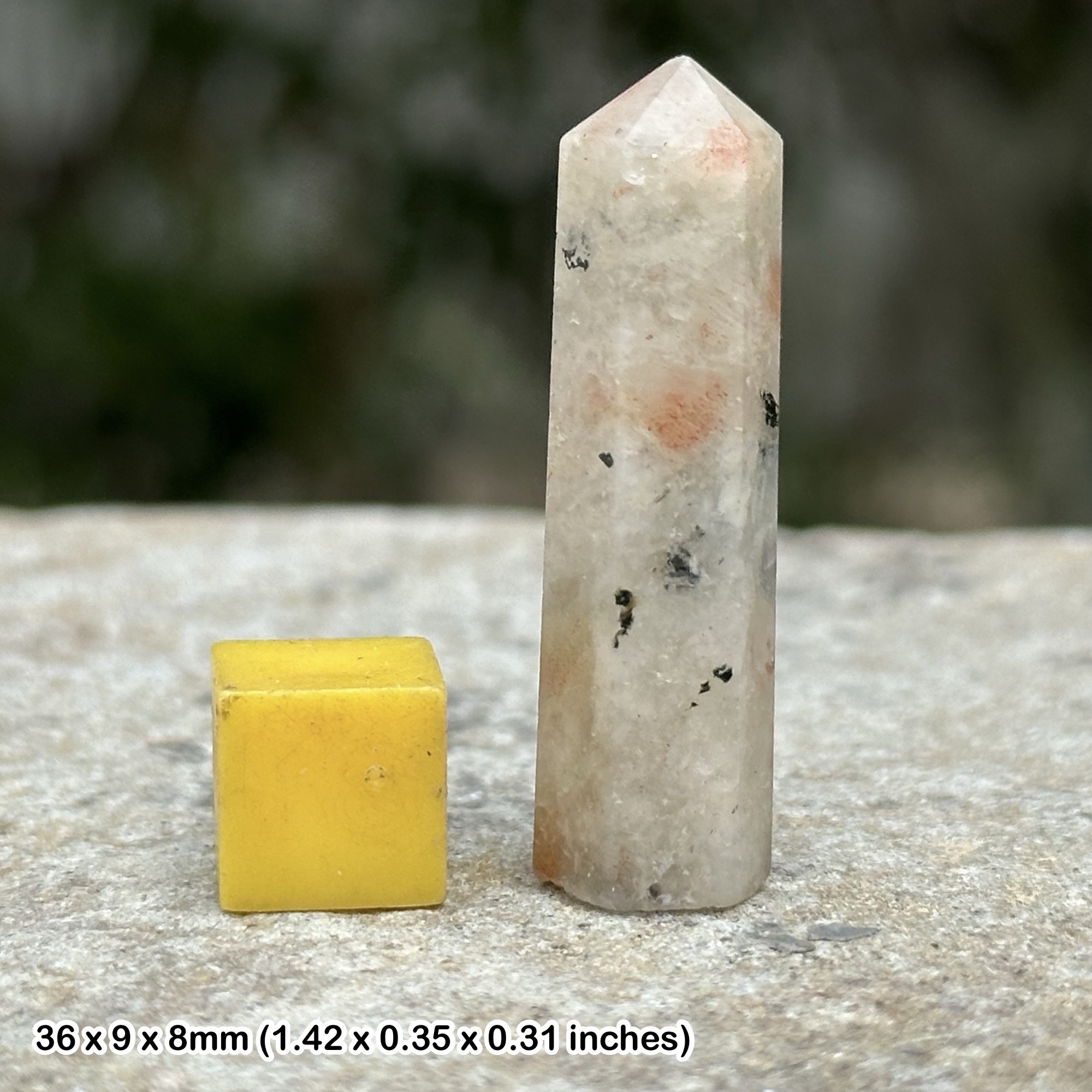
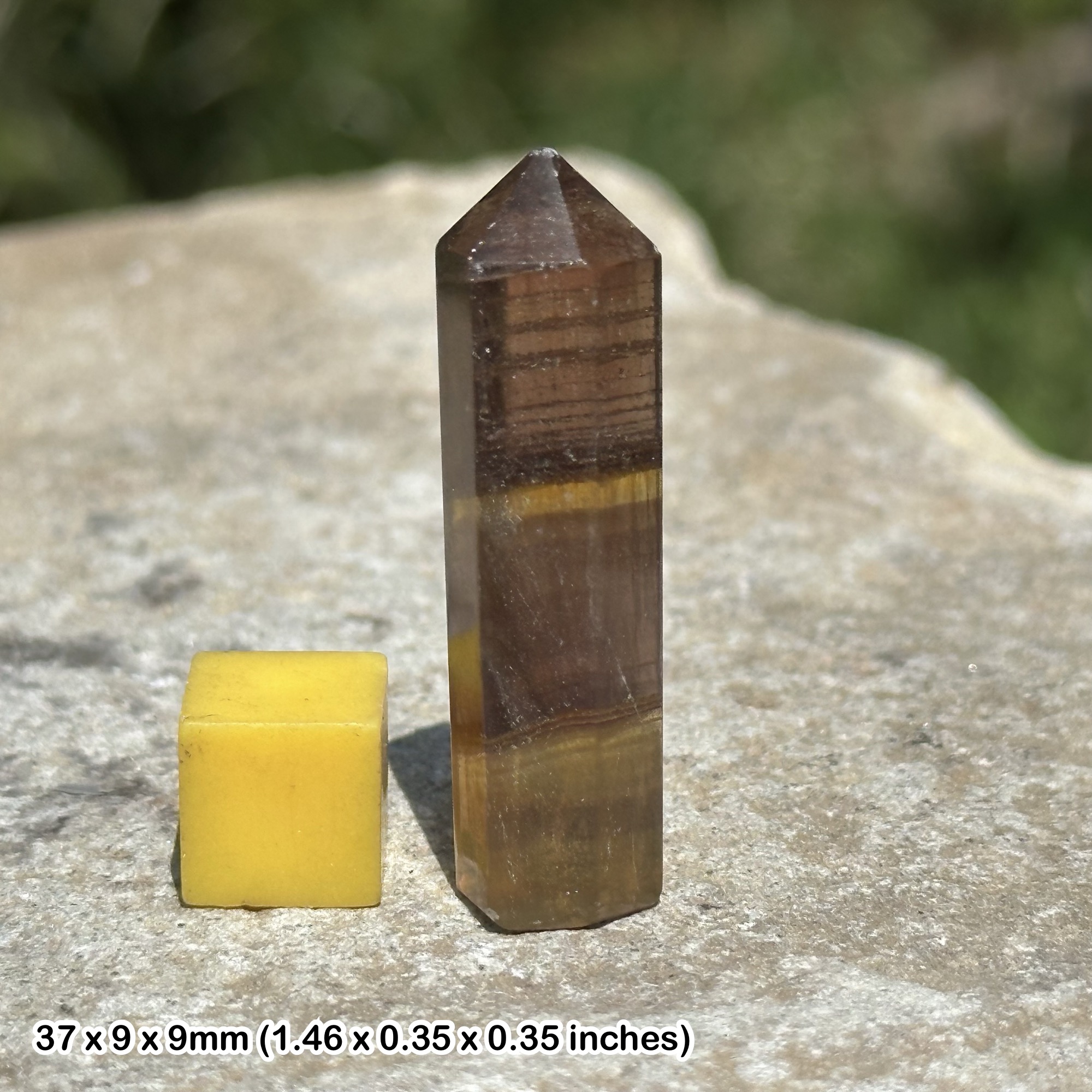
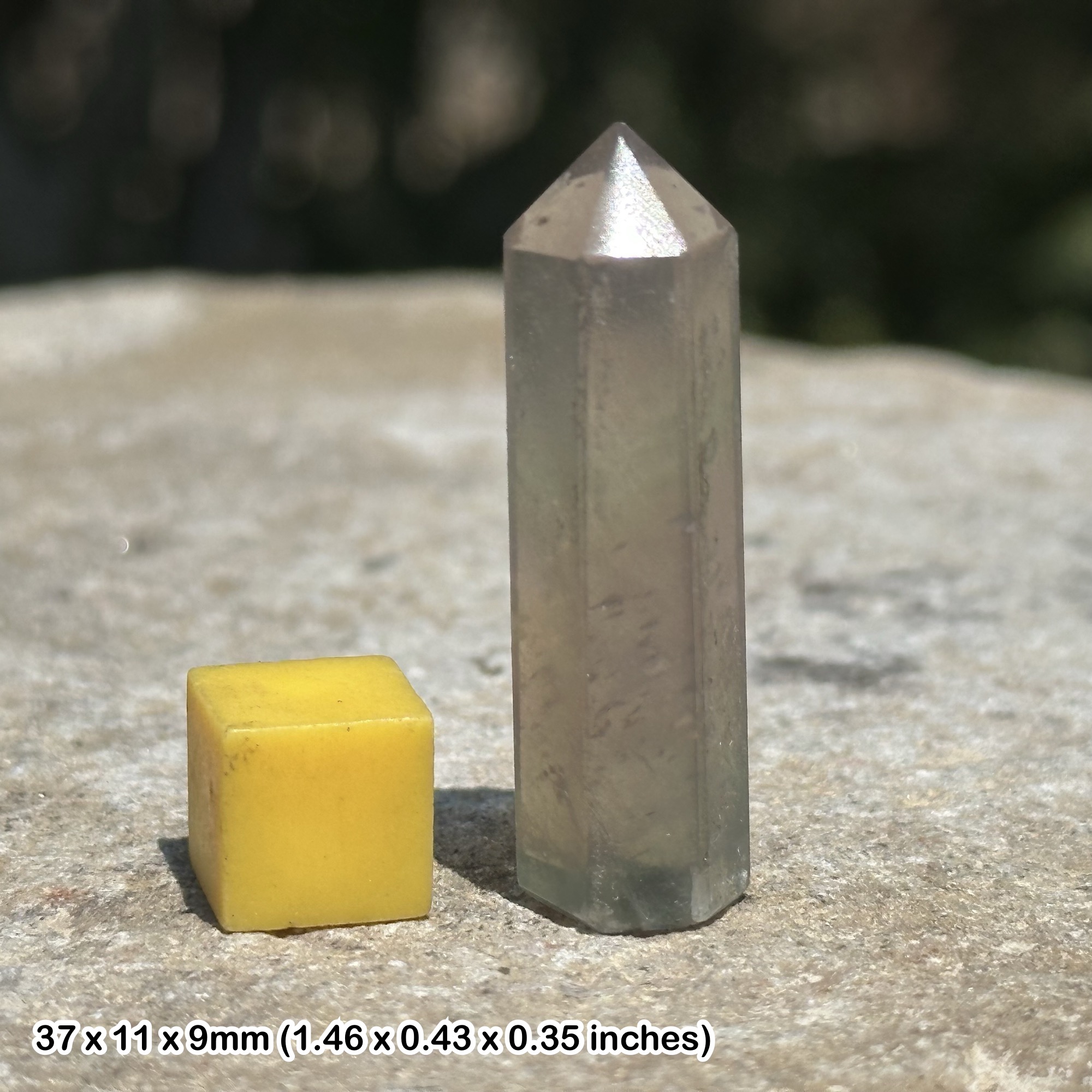
England, UK, is a genuine and highly collectible British mineral. Carefully selected for quality and locality significance, the photograph provided shows the exact specimen you will receive. Please refer to the images for full sizing and scale details.Your crystal includes a Certificate of Authenticity lifetime guarantee generic card confirming its genuine mineral identity and documented Cornish provenance. MINERAL SPECIES & CRYSTAL STRUCTURELöllingite is an iron arsenide mineral with the chemical formula FeAs₂. It belongs to the arsenide mineral group and crystallises in the orthorhombic crystal system.Mineral Name: LöllingiteChemical Formula: FeAs₂Mineral Group: ArsenideCrystal System: OrthorhombicHardness: 5–5.5 on the Mohs scaleLustre: MetallicColour: Silver-white to tin-white, often tarnishing greyLöllingite commonly forms massive, granular or prismatic habits, though well-formed orthorhombic crystals may occur in favourable conditions. Fresh surfaces display a bright metallic sheen, while natural oxidation may produce slightly darker tones.It is closely related to arsenopyrite but differs chemically in lacking sulfur, making it an important species for mineralogical distinction. GEOLOGICAL SETTING – PENLEE QUARRY, WEST CORNWALLPenlee Quarry is located in the far southwest of Cornwall and is geologically associated with the Cornubian granite batholith emplaced during late Variscan tectonic events. The region is renowned for complex hydrothermal mineralisation related to granite intrusions and metalliferous vein systems.Löllingite forms in high-temperature hydrothermal environments, typically within quartz veins or granitic host rock. It develops during early stages of mineral deposition, where iron and arsenic-rich fluids crystallise in fractures and cavities.The geological environment at Penlee includes:
• Granite intrusion and contact metamorphism
• Hydrothermal quartz vein systems
• Iron-arsenic mineralisation
• Complex polymetallic lodesAssociated minerals in the region may include:
• Arsenopyrite
• Chalcopyrite
• Pyrite
• Quartz
• CassiteriteThe presence of arsenide minerals reflects the unique geochemical conditions of Cornish granite-related mineral systems. PHYSICAL CHARACTERISTICS & NOTABLE FEATURESThis Löllingite specimen may display:
• Metallic silver-white crystalline surfaces
• Granular or bladed texture
• Natural quartz matrix attachment
• Subtle natural tarnish from surface oxidationIts metallic lustre and pale colour distinguish it from darker sulfide minerals. In some specimens, crystal faces may exhibit subtle striations or sharp edges reflecting orthorhombic symmetry.As with many arsenide minerals, slight surface alteration is a natural part of its geological history and adds to the specimen’s authenticity. COLLECTIBILITY & CORNISH MINERAL HERITAGELöllingite from named Cornish localities such as Penlee Quarry is highly desirable among collectors of British arsenide and granite-related minerals. Cornwall’s global reputation for mineral diversity makes documented specimens especially valuable.Collectors appreciate Penlee Löllingite for:
• Recognised West Cornwall locality
• Classic iron arsenide mineralisation
• Association with granite-related hydrothermal systems
• Strong historic mining and quarrying contextSpecimens from Newlyn and Penzance districts represent an important part of Cornwall’s geological and industrial heritage. AUTHENTICITY & PRESENTATIONThis Löllingite crystal has been carefully chosen to showcase the mineral’s natural metallic character and Cornish provenance. The image shown is of the exact specimen you will receive.Included with your purchase is a Certificate of Authenticity lifetime guarantee generic card confirming this is a genuine Löllingite specimen from Penlee Quarry, Newlyn, Penzance, Cornwall, England, UK.A distinctive example of Cornish iron arsenide mineralisation, this piece combines geological rarity, documented locality and classic British mining heritage in one authentic collector specimen.
England, UK, is a genuine and highly collectible British mineral. Carefully selected for quality and locality significance, the photograph provided shows the exact specimen you will receive. Please refer to the images for full sizing and scale details.Your crystal includes a Certificate of Authenticity lifetime guarantee generic card confirming its genuine mineral identity and documented Cornish provenance. MINERAL SPECIES & CRYSTAL STRUCTURELöllingite is an iron arsenide mineral with the chemical formula FeAs₂. It belongs to the arsenide mineral group and crystallises in the orthorhombic crystal system.Mineral Name: LöllingiteChemical Formula: FeAs₂Mineral Group: ArsenideCrystal System: OrthorhombicHardness: 5–5.5 on the Mohs scaleLustre: MetallicColour: Silver-white to tin-white, often tarnishing greyLöllingite commonly forms massive, granular or prismatic habits, though well-formed orthorhombic crystals may occur in favourable conditions. Fresh surfaces display a bright metallic sheen, while natural oxidation may produce slightly darker tones.It is closely related to arsenopyrite but differs chemically in lacking sulfur, making it an important species for mineralogical distinction. GEOLOGICAL SETTING – PENLEE QUARRY, WEST CORNWALLPenlee Quarry is located in the far southwest of Cornwall and is geologically associated with the Cornubian granite batholith emplaced during late Variscan tectonic events. The region is renowned for complex hydrothermal mineralisation related to granite intrusions and metalliferous vein systems.Löllingite forms in high-temperature hydrothermal environments, typically within quartz veins or granitic host rock. It develops during early stages of mineral deposition, where iron and arsenic-rich fluids crystallise in fractures and cavities.The geological environment at Penlee includes:
• Granite intrusion and contact metamorphism
• Hydrothermal quartz vein systems
• Iron-arsenic mineralisation
• Complex polymetallic lodesAssociated minerals in the region may include:
• Arsenopyrite
• Chalcopyrite
• Pyrite
• Quartz
• CassiteriteThe presence of arsenide minerals reflects the unique geochemical conditions of Cornish granite-related mineral systems. PHYSICAL CHARACTERISTICS & NOTABLE FEATURESThis Löllingite specimen may display:
• Metallic silver-white crystalline surfaces
• Granular or bladed texture
• Natural quartz matrix attachment
• Subtle natural tarnish from surface oxidationIts metallic lustre and pale colour distinguish it from darker sulfide minerals. In some specimens, crystal faces may exhibit subtle striations or sharp edges reflecting orthorhombic symmetry.As with many arsenide minerals, slight surface alteration is a natural part of its geological history and adds to the specimen’s authenticity. COLLECTIBILITY & CORNISH MINERAL HERITAGELöllingite from named Cornish localities such as Penlee Quarry is highly desirable among collectors of British arsenide and granite-related minerals. Cornwall’s global reputation for mineral diversity makes documented specimens especially valuable.Collectors appreciate Penlee Löllingite for:
• Recognised West Cornwall locality
• Classic iron arsenide mineralisation
• Association with granite-related hydrothermal systems
• Strong historic mining and quarrying contextSpecimens from Newlyn and Penzance districts represent an important part of Cornwall’s geological and industrial heritage. AUTHENTICITY & PRESENTATIONThis Löllingite crystal has been carefully chosen to showcase the mineral’s natural metallic character and Cornish provenance. The image shown is of the exact specimen you will receive.Included with your purchase is a Certificate of Authenticity lifetime guarantee generic card confirming this is a genuine Löllingite specimen from Penlee Quarry, Newlyn, Penzance, Cornwall, England, UK.A distinctive example of Cornish iron arsenide mineralisation, this piece combines geological rarity, documented locality and classic British mining heritage in one authentic collector specimen.