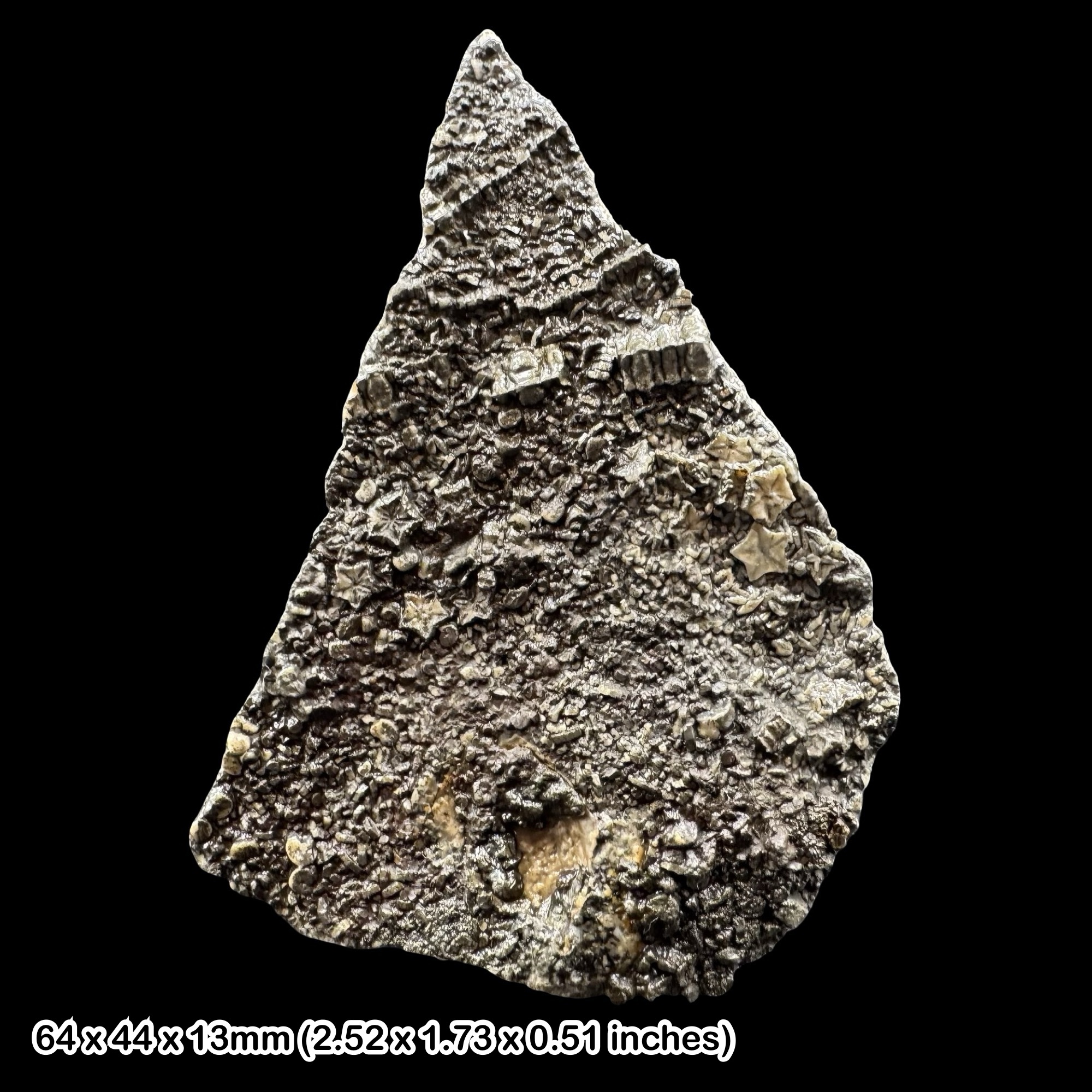
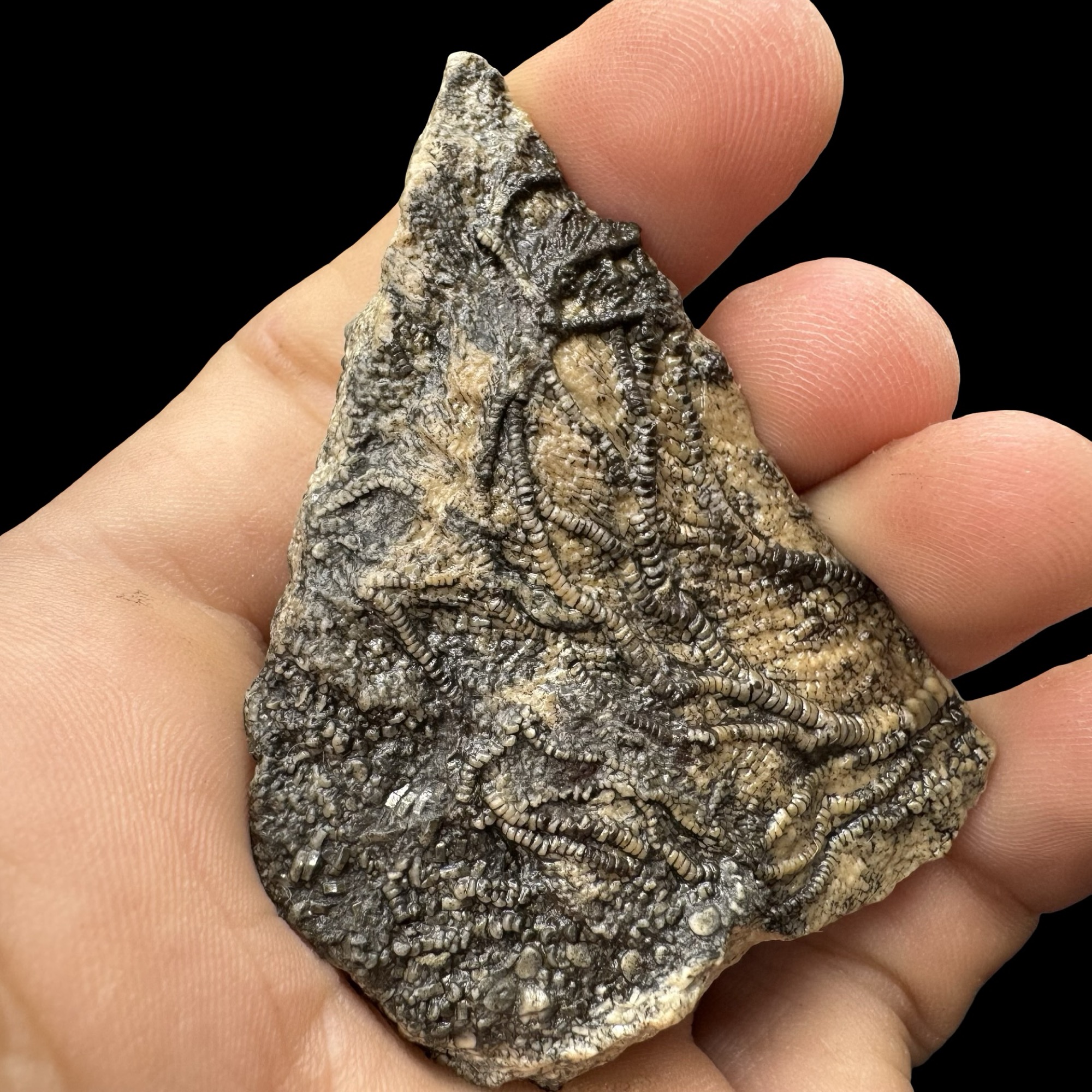
Pentacrinites Crinoid Fossil Lily Stem Slab Lyme Regis Dorset UK Lower Lias Jurassic Coast Marine Fossil Display Specimen Authentic
£ 18.00
Pentacrinites Crinoid Lily Stem Fossil Slab – Jurassic Coast, Lyme RegisThis beautiful Pentacrinites crinoid fossil slab originates from the Black Ven
Marls of the Lower Lias at Stonebarrow Cliff, Charmouth, near Lyme Regis, Dorset, UK. Showcasing multiple preserved crinoid stem segments, this specimen offers a fascinating glimpse into ancient marine life from the Early Jurassic seas. The fossil shown in the photographs is the exact piece you will receive, carefully selected for its clarity, composition, and natural display appeal.Geological Age & FormationThis specimen dates to the Early Jurassic period, specifically the Sinemurian stage, approximately 190–199 million years ago. The Black Ven Marls are renowned for their fossil-rich deposits, formed in a calm marine environment where fine sediments allowed for exceptional preservation. This formation is part of the world-famous Jurassic Coast, a UNESCO World Heritage Site known for its continuous record of Mesozoic life.Taxonomy & Classification
• Phylum: Echinodermata
• Class: Crinoidea
• Order: Isocrinida
• Family: Pentacrinitidae
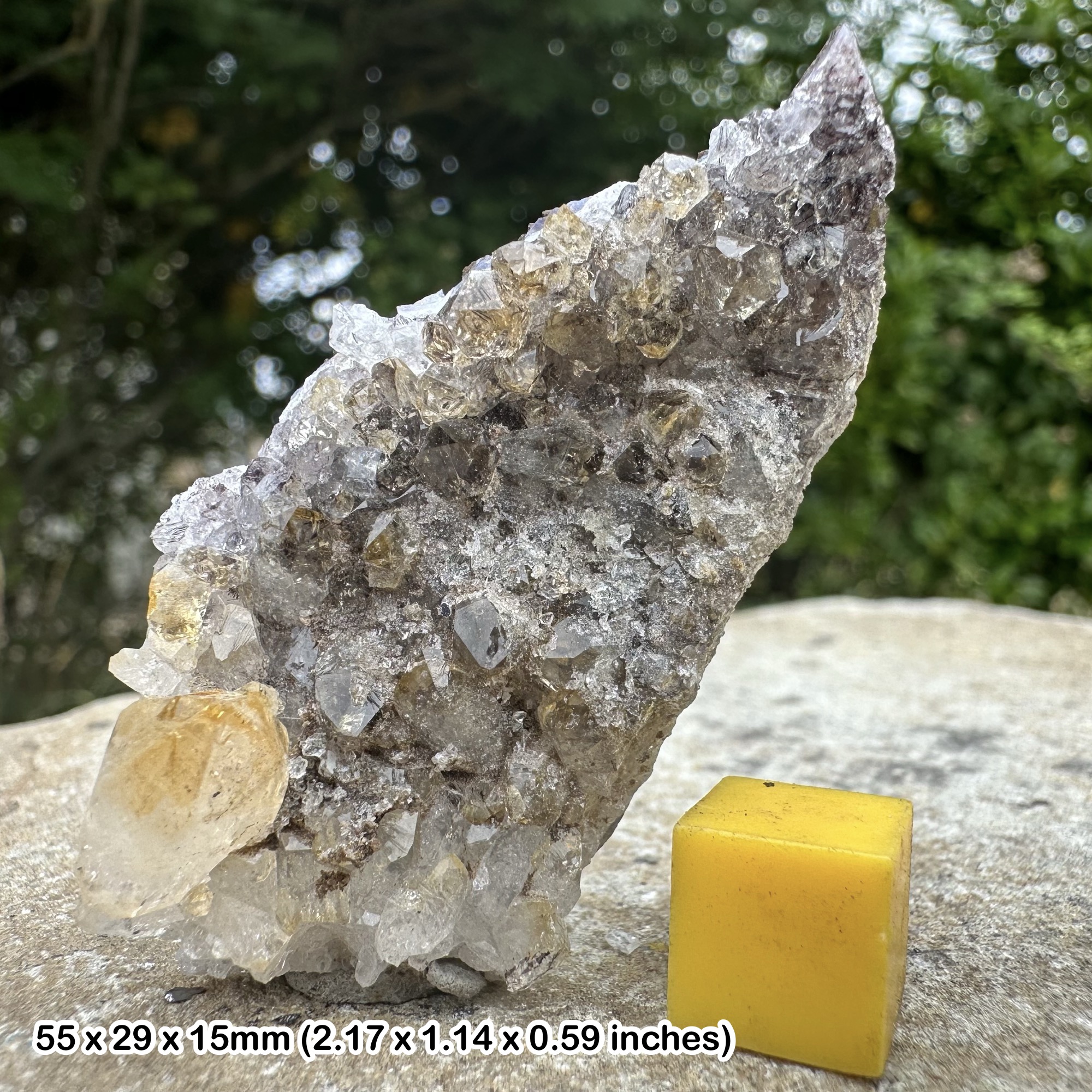
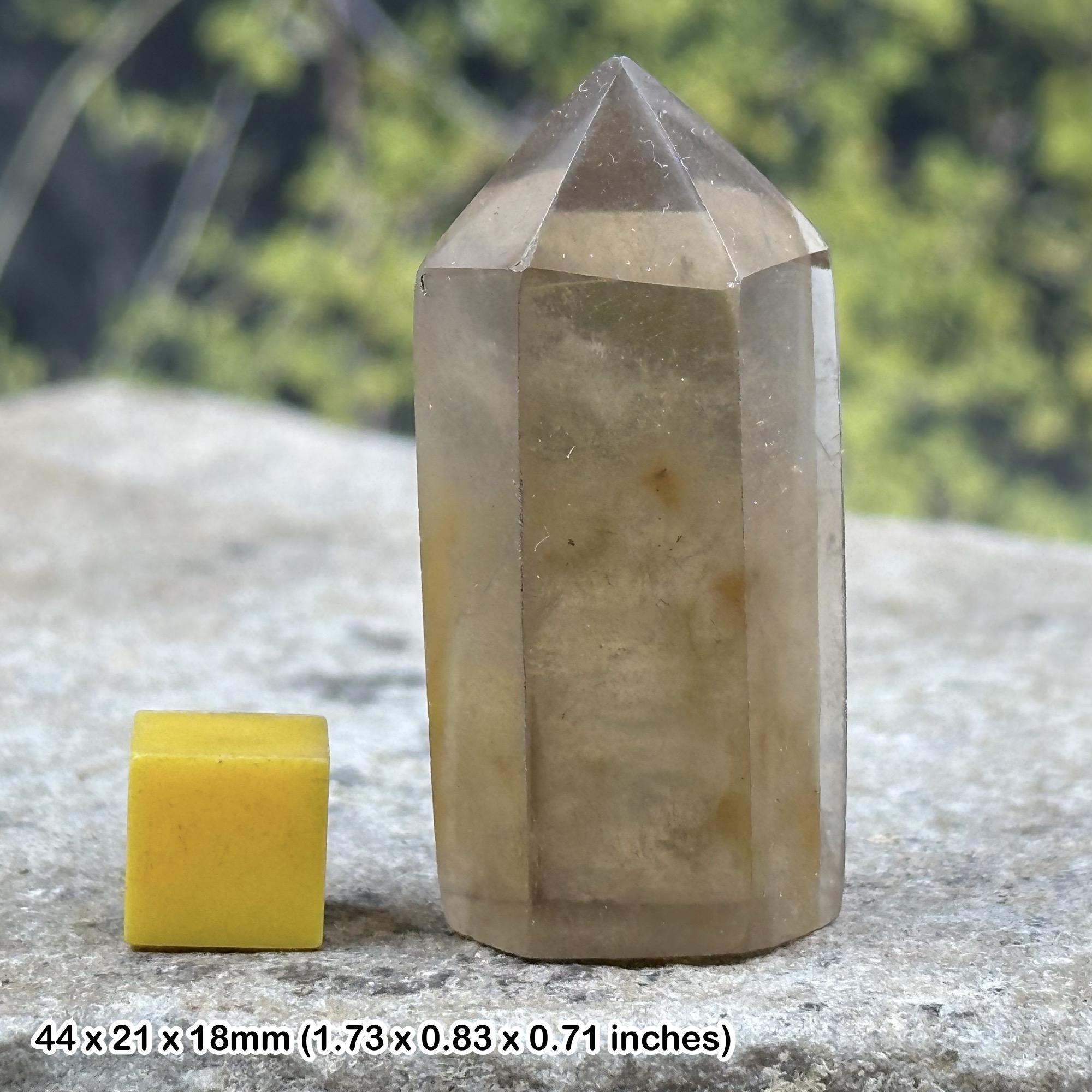
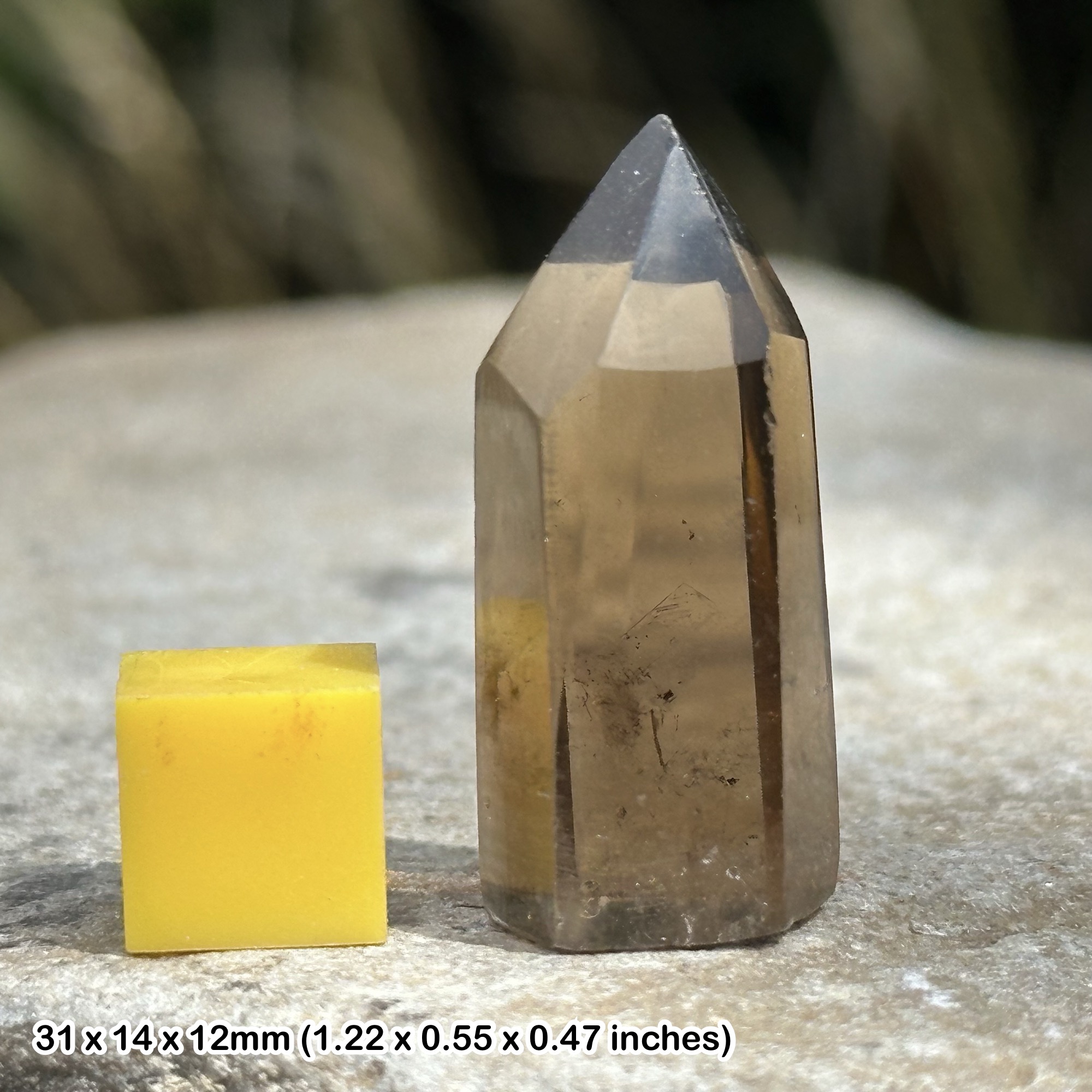
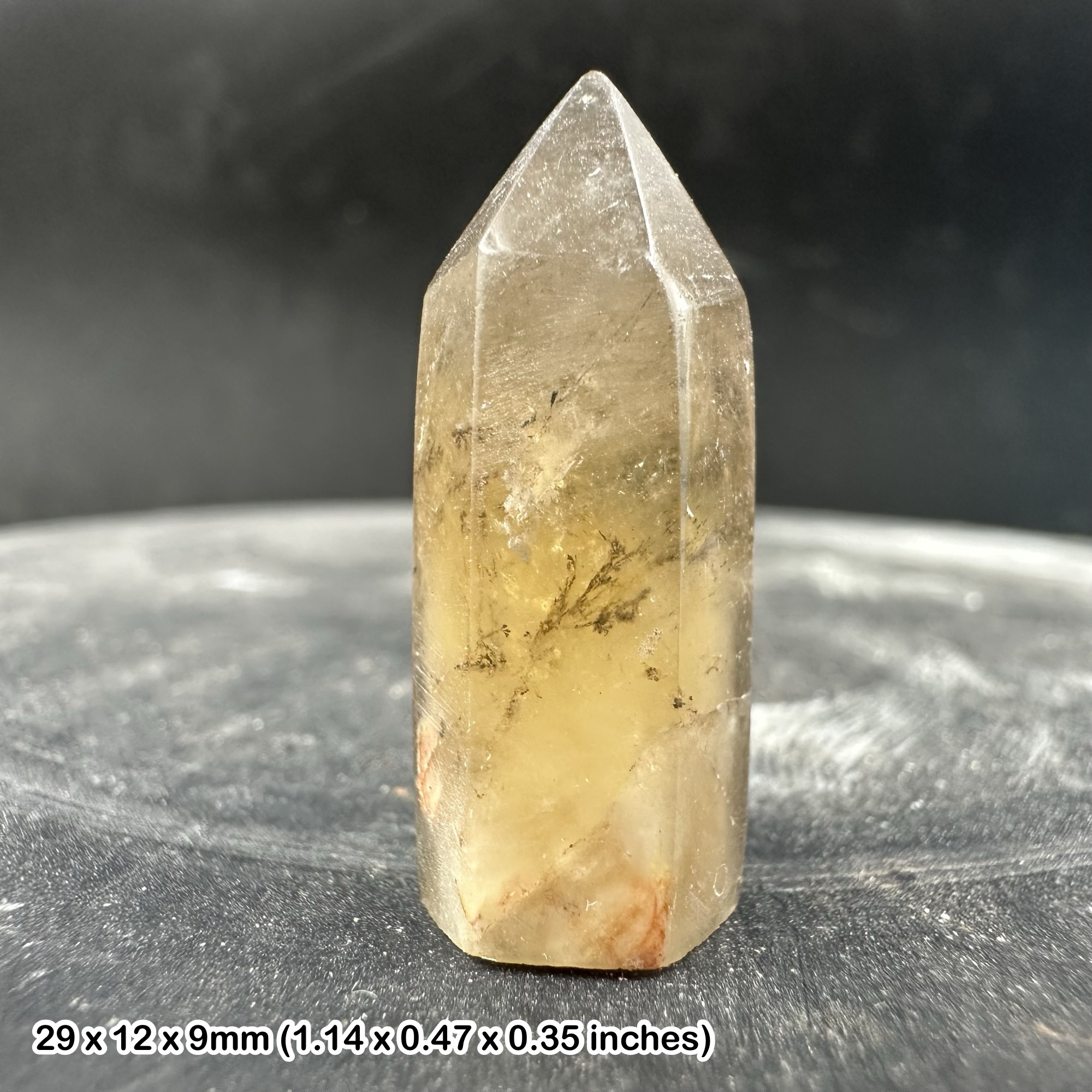
• Genus: PentacrinitesPentacrinites was formally described by Miller and represents a group of stalked crinoids commonly referred to as “sea lilies,” although they are marine animals rather than plants.Morphology & Notable FeaturesThis slab displays multiple articulated crinoid stem segments, often referred to as columnals. These columnals are typically pentagonal or star-shaped in cross-section, giving rise to the name Pentacrinites, meaning “five-rayed.” The repeating stacked structure forms the flexible stalk that once anchored the animal to the sea floor or floating debris.The fossil preserves the characteristic segmented appearance, with each disc-like section fitting precisely together, creating a chain-like structure. In life, these stems supported a crown of feathery arms used for filter feeding, capturing plankton and organic particles from the water column.The arrangement of multiple stems within a single slab suggests either a colony or a concentration of remains transported and deposited together, adding both visual interest and scientific significance.Depositional EnvironmentThe Black Ven Marls were deposited in a relatively low-energy marine setting where fine sediments accumulated over time. Crinoids such as Pentacrinites thrived in these environments, often attaching themselves to driftwood or stable substrates. Periodic burial by sediment and low oxygen conditions helped preserve delicate skeletal elements, resulting in well-defined fossils like this specimen.These ancient seas supported a diverse ecosystem, including ammonites, belemnites, and marine reptiles, with crinoids playing an important role as suspension feeders.Discovery & Expert PreparationThis fossil was discovered by our experienced team members, Alister and Alison, along the Dorset coastline. After careful extraction, the specimen was meticulously cleaned, stabilised, and prepared by Alison to enhance the visibility of the crinoid stems while preserving their natural structure. The preparation ensures the fossil is both durable and ready for display.Authenticity & ProvenanceThis is a genuine Pentacrinites crinoid fossil and includes a Certificate of Authenticity with a lifetime guarantee. All specimens are responsibly sourced and professionally prepared, ensuring confidence in both authenticity and provenance.Display & CollectabilityCrinoid fossil slabs are highly sought after for their distinctive patterns and scientific importance. This specimen is ideal for collectors, educators, or anyone interested in marine fossils. Its intricate, repeating structures create a striking natural display, perfect for cabinets, desks, or study collections. Its origin from Lyme Regis further enhances its desirability and historical significance.Condition & SizingPlease refer to the photographs for full sizing and condition details, as they form part of the description. This is a carefully chosen specimen, and the images accurately represent the exact fossil you will receive.
Marls of the Lower Lias at Stonebarrow Cliff, Charmouth, near Lyme Regis, Dorset, UK. Showcasing multiple preserved crinoid stem segments, this specimen offers a fascinating glimpse into ancient marine life from the Early Jurassic seas. The fossil shown in the photographs is the exact piece you will receive, carefully selected for its clarity, composition, and natural display appeal.Geological Age & FormationThis specimen dates to the Early Jurassic period, specifically the Sinemurian stage, approximately 190–199 million years ago. The Black Ven Marls are renowned for their fossil-rich deposits, formed in a calm marine environment where fine sediments allowed for exceptional preservation. This formation is part of the world-famous Jurassic Coast, a UNESCO World Heritage Site known for its continuous record of Mesozoic life.Taxonomy & Classification
• Phylum: Echinodermata
• Class: Crinoidea
• Order: Isocrinida
• Family: Pentacrinitidae
• Genus: PentacrinitesPentacrinites was formally described by Miller and represents a group of stalked crinoids commonly referred to as “sea lilies,” although they are marine animals rather than plants.Morphology & Notable FeaturesThis slab displays multiple articulated crinoid stem segments, often referred to as columnals. These columnals are typically pentagonal or star-shaped in cross-section, giving rise to the name Pentacrinites, meaning “five-rayed.” The repeating stacked structure forms the flexible stalk that once anchored the animal to the sea floor or floating debris.The fossil preserves the characteristic segmented appearance, with each disc-like section fitting precisely together, creating a chain-like structure. In life, these stems supported a crown of feathery arms used for filter feeding, capturing plankton and organic particles from the water column.The arrangement of multiple stems within a single slab suggests either a colony or a concentration of remains transported and deposited together, adding both visual interest and scientific significance.Depositional EnvironmentThe Black Ven Marls were deposited in a relatively low-energy marine setting where fine sediments accumulated over time. Crinoids such as Pentacrinites thrived in these environments, often attaching themselves to driftwood or stable substrates. Periodic burial by sediment and low oxygen conditions helped preserve delicate skeletal elements, resulting in well-defined fossils like this specimen.These ancient seas supported a diverse ecosystem, including ammonites, belemnites, and marine reptiles, with crinoids playing an important role as suspension feeders.Discovery & Expert PreparationThis fossil was discovered by our experienced team members, Alister and Alison, along the Dorset coastline. After careful extraction, the specimen was meticulously cleaned, stabilised, and prepared by Alison to enhance the visibility of the crinoid stems while preserving their natural structure. The preparation ensures the fossil is both durable and ready for display.Authenticity & ProvenanceThis is a genuine Pentacrinites crinoid fossil and includes a Certificate of Authenticity with a lifetime guarantee. All specimens are responsibly sourced and professionally prepared, ensuring confidence in both authenticity and provenance.Display & CollectabilityCrinoid fossil slabs are highly sought after for their distinctive patterns and scientific importance. This specimen is ideal for collectors, educators, or anyone interested in marine fossils. Its intricate, repeating structures create a striking natural display, perfect for cabinets, desks, or study collections. Its origin from Lyme Regis further enhances its desirability and historical significance.Condition & SizingPlease refer to the photographs for full sizing and condition details, as they form part of the description. This is a carefully chosen specimen, and the images accurately represent the exact fossil you will receive.
Other Products