Lapis Lazuli Faceted Pendulum Natural Blue Lazurite Mineral Crystal Divination Pendulum Polished Stone Tool with Certificate of Authenticity
£ 8.40
Lapis Lazuli Faceted Pendulum Natural Mineral SpecimenThis Lapis Lazuli faceted pendulum is crafted from genuine lapis lazuli, a deep
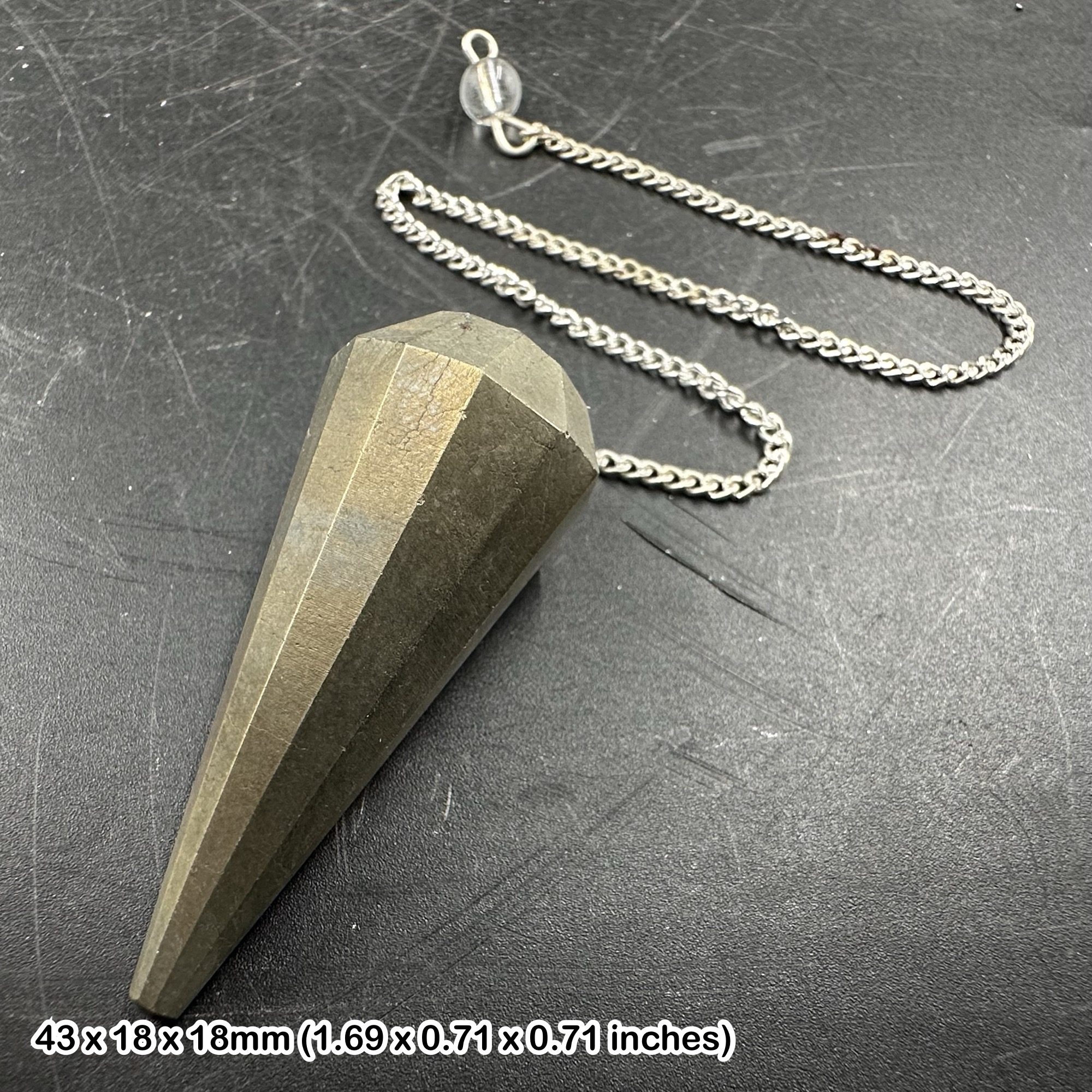
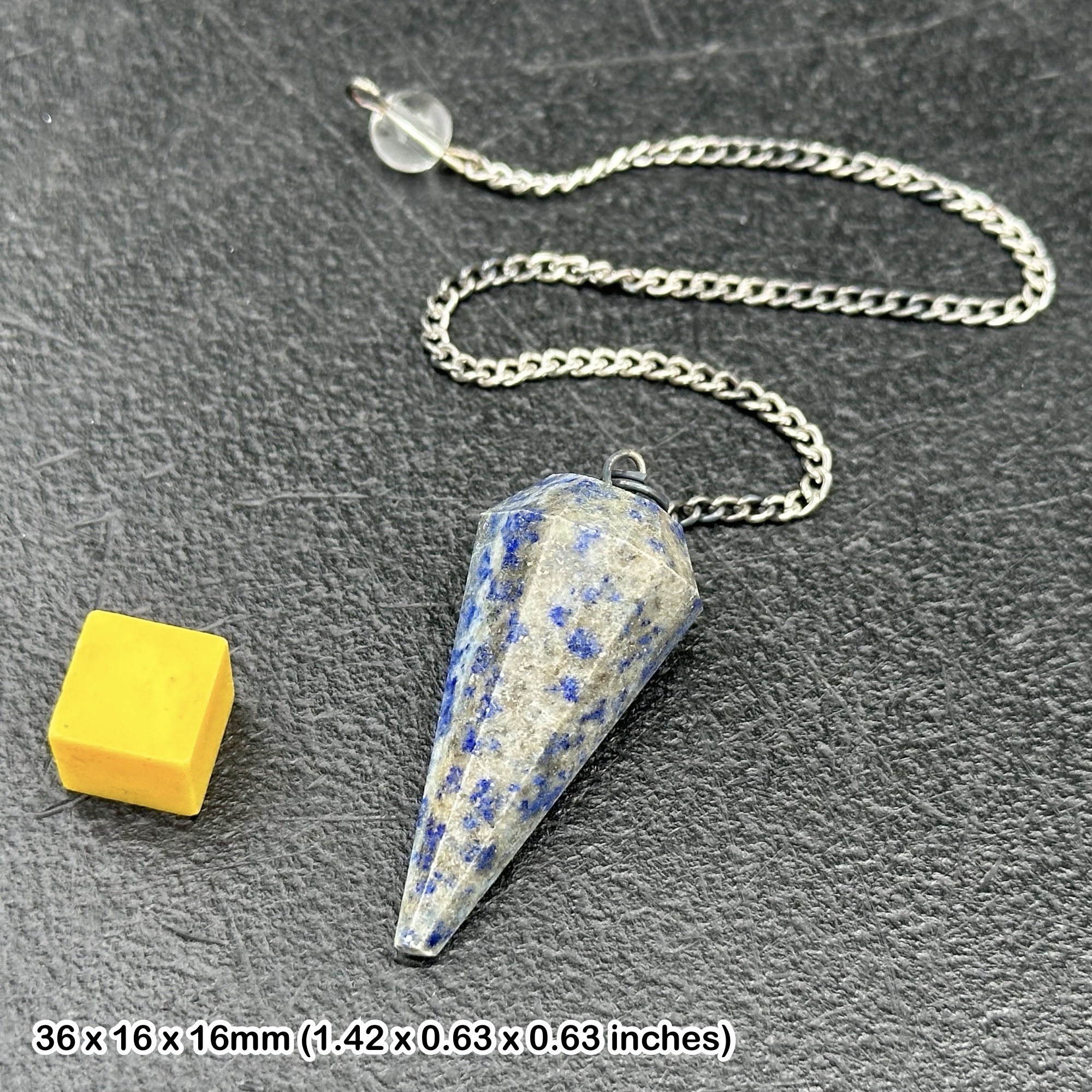
blue metamorphic rock prized for its rich colour and distinctive mineral composition. The stone has been carefully shaped and polished into a symmetrical pendulum with multiple reflective facets that highlight the natural colours and textures within the material.The pendulum form features a tapered point and polished faces designed to reflect light across the stone’s natural surfaces. The listing photographs show the exact specimen you will receive, allowing collectors and buyers to clearly observe the colour distribution, inclusions, and polish of the stone before purchase.Each item includes a Certificate of Authenticity lifetime guarantee generic card, confirming that the specimen is genuine natural lapis lazuli.Please refer to the listing photos for full sizing and scale.Mineral Composition and IdentificationLapis lazuli is not a single mineral but a metamorphic rock composed of several minerals, with lazurite being the primary component responsible for its characteristic deep blue colour.Typical mineral composition includes:Primary Mineral: LazuriteAssociated Minerals: Calcite and PyriteMineral Group: Feldspathoid mineralsRock Type: Metamorphic rockThe combination of these minerals produces the distinctive visual appearance of lapis lazuli.Key geological characteristics include:Primary Colour: Deep ultramarine to royal blueLustre: Dull to slightly vitreous when polishedTransparency: OpaqueTexture: Massive granular structurePyrite inclusions often appear as small metallic gold flecks within the blue stone, while calcite may appear as pale white streaks or patches.Geological Formation of Lapis LazuliLapis lazuli forms through contact metamorphism, where limestone deposits are altered by heat and mineral-rich fluids associated with nearby igneous activity. During this process, minerals such as lazurite crystallise within the host rock, producing the characteristic blue material known as lapis lazuli.Common geological environments include:Metamorphosed limestone depositsContact metamorphic zonesSilica and sulphur rich mineral environmentsOver long geological periods, these deposits form dense masses of lapis lazuli within the host rock, which are later extracted and shaped for decorative or collecting purposes.Faceted Pendulum CraftsmanshipThis specimen has been shaped into a faceted pendulum, a design that combines geometric symmetry with the natural beauty of the stone. The faceted surfaces enhance the polished appearance and allow light to reflect across the mineral surface, highlighting variations in colour and mineral inclusions.The pendulum shape includes:Symmetrical tapered pointMultiple polished facetsSmooth polished surfaceBalanced hanging designThe faceting process enhances the contrast between the deep blue lazurite and the natural metallic pyrite inclusions.Mineral Collecting and Decorative AppealLapis lazuli has been valued for thousands of years due to its intense colour and distinctive mineral composition. Today it remains a popular material among mineral collectors and decorative stone enthusiasts.Lapis lazuli specimens are often included in:Metamorphic rock collectionsDecorative mineral displaysLapidary stone collectionsCollector stone carvingsThe faceted pendulum format provides a visually striking way to present the mineral while preserving its natural geological features.Historical and Cultural ContextLapis lazuli has a long history of use in jewellery, carvings, and decorative art. Throughout history, the stone’s vivid blue colour has been admired in many cultures. In traditional belief systems, lapis lazuli and pendulum tools have sometimes been traditionally associated with spiritual symbolism or reflective practices, interpretations that belong to cultural traditions rather than scientific mineral properties.Many collectors appreciate lapis lazuli primarily for its historical significance and striking natural colour.Authenticity and Exact SpecimenThis listing features a genuine Lapis Lazuli faceted pendulum made from natural mineral material. The photographs show the exact specimen you will receive, allowing buyers to inspect the colour patterns, pyrite inclusions, and polish before purchase.Each purchase includes a Certificate of Authenticity lifetime guarantee generic card, confirming the authenticity of the mineral specimen.Please review the photographs for full sizing and scale. The pendulum shown in the listing images is the exact item that will be shipped.
blue metamorphic rock prized for its rich colour and distinctive mineral composition. The stone has been carefully shaped and polished into a symmetrical pendulum with multiple reflective facets that highlight the natural colours and textures within the material.The pendulum form features a tapered point and polished faces designed to reflect light across the stone’s natural surfaces. The listing photographs show the exact specimen you will receive, allowing collectors and buyers to clearly observe the colour distribution, inclusions, and polish of the stone before purchase.Each item includes a Certificate of Authenticity lifetime guarantee generic card, confirming that the specimen is genuine natural lapis lazuli.Please refer to the listing photos for full sizing and scale.Mineral Composition and IdentificationLapis lazuli is not a single mineral but a metamorphic rock composed of several minerals, with lazurite being the primary component responsible for its characteristic deep blue colour.Typical mineral composition includes:Primary Mineral: LazuriteAssociated Minerals: Calcite and PyriteMineral Group: Feldspathoid mineralsRock Type: Metamorphic rockThe combination of these minerals produces the distinctive visual appearance of lapis lazuli.Key geological characteristics include:Primary Colour: Deep ultramarine to royal blueLustre: Dull to slightly vitreous when polishedTransparency: OpaqueTexture: Massive granular structurePyrite inclusions often appear as small metallic gold flecks within the blue stone, while calcite may appear as pale white streaks or patches.Geological Formation of Lapis LazuliLapis lazuli forms through contact metamorphism, where limestone deposits are altered by heat and mineral-rich fluids associated with nearby igneous activity. During this process, minerals such as lazurite crystallise within the host rock, producing the characteristic blue material known as lapis lazuli.Common geological environments include:Metamorphosed limestone depositsContact metamorphic zonesSilica and sulphur rich mineral environmentsOver long geological periods, these deposits form dense masses of lapis lazuli within the host rock, which are later extracted and shaped for decorative or collecting purposes.Faceted Pendulum CraftsmanshipThis specimen has been shaped into a faceted pendulum, a design that combines geometric symmetry with the natural beauty of the stone. The faceted surfaces enhance the polished appearance and allow light to reflect across the mineral surface, highlighting variations in colour and mineral inclusions.The pendulum shape includes:Symmetrical tapered pointMultiple polished facetsSmooth polished surfaceBalanced hanging designThe faceting process enhances the contrast between the deep blue lazurite and the natural metallic pyrite inclusions.Mineral Collecting and Decorative AppealLapis lazuli has been valued for thousands of years due to its intense colour and distinctive mineral composition. Today it remains a popular material among mineral collectors and decorative stone enthusiasts.Lapis lazuli specimens are often included in:Metamorphic rock collectionsDecorative mineral displaysLapidary stone collectionsCollector stone carvingsThe faceted pendulum format provides a visually striking way to present the mineral while preserving its natural geological features.Historical and Cultural ContextLapis lazuli has a long history of use in jewellery, carvings, and decorative art. Throughout history, the stone’s vivid blue colour has been admired in many cultures. In traditional belief systems, lapis lazuli and pendulum tools have sometimes been traditionally associated with spiritual symbolism or reflective practices, interpretations that belong to cultural traditions rather than scientific mineral properties.Many collectors appreciate lapis lazuli primarily for its historical significance and striking natural colour.Authenticity and Exact SpecimenThis listing features a genuine Lapis Lazuli faceted pendulum made from natural mineral material. The photographs show the exact specimen you will receive, allowing buyers to inspect the colour patterns, pyrite inclusions, and polish before purchase.Each purchase includes a Certificate of Authenticity lifetime guarantee generic card, confirming the authenticity of the mineral specimen.Please review the photographs for full sizing and scale. The pendulum shown in the listing images is the exact item that will be shipped.