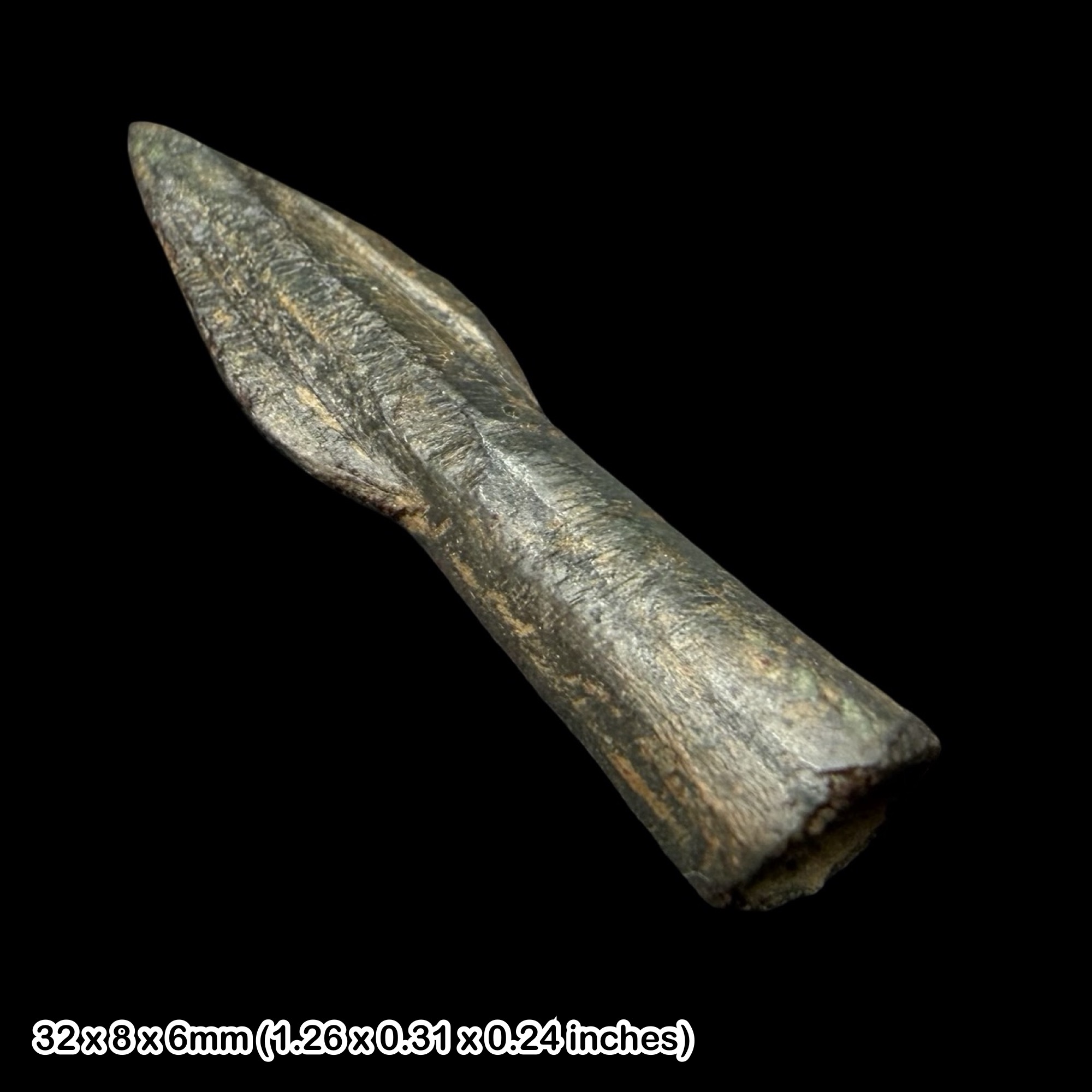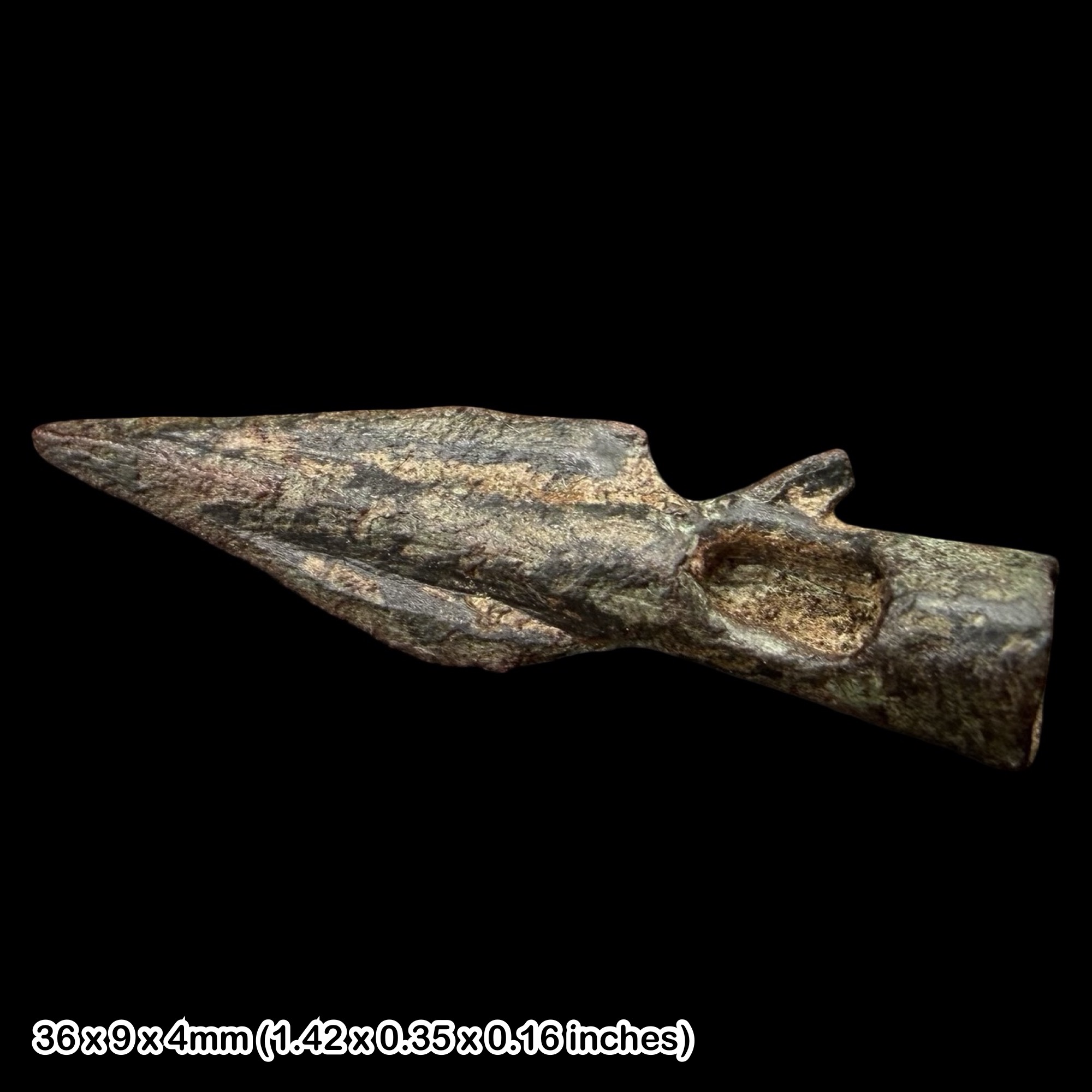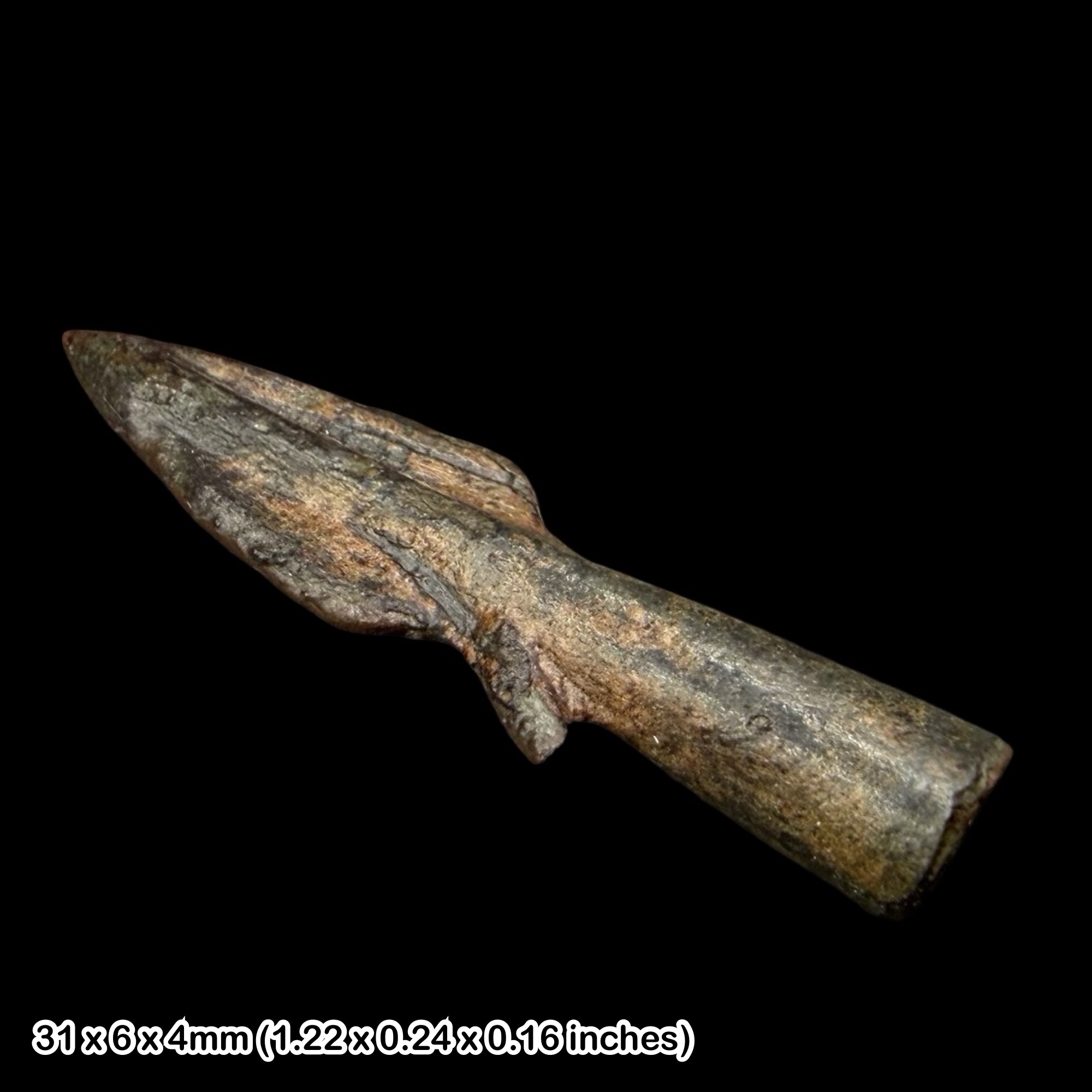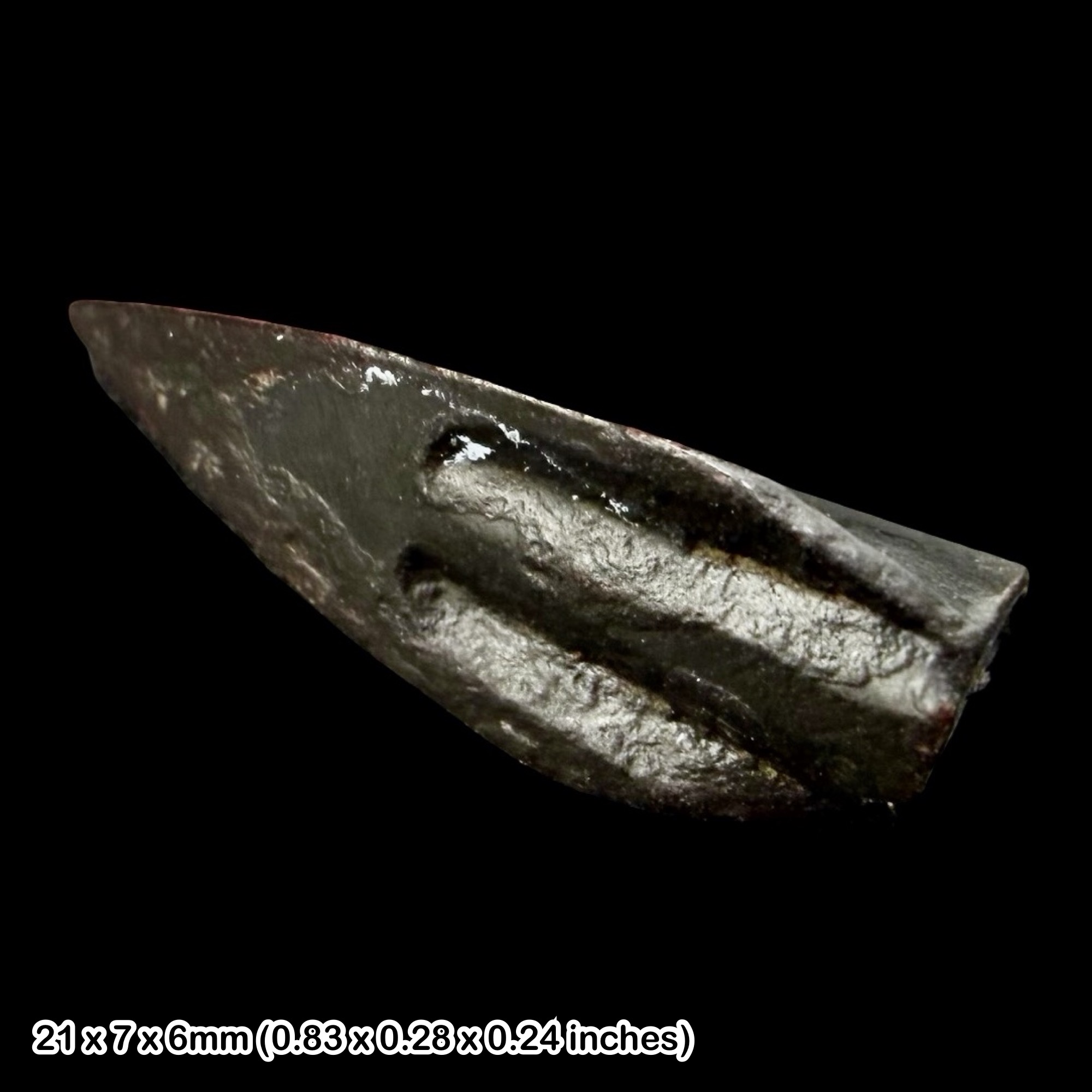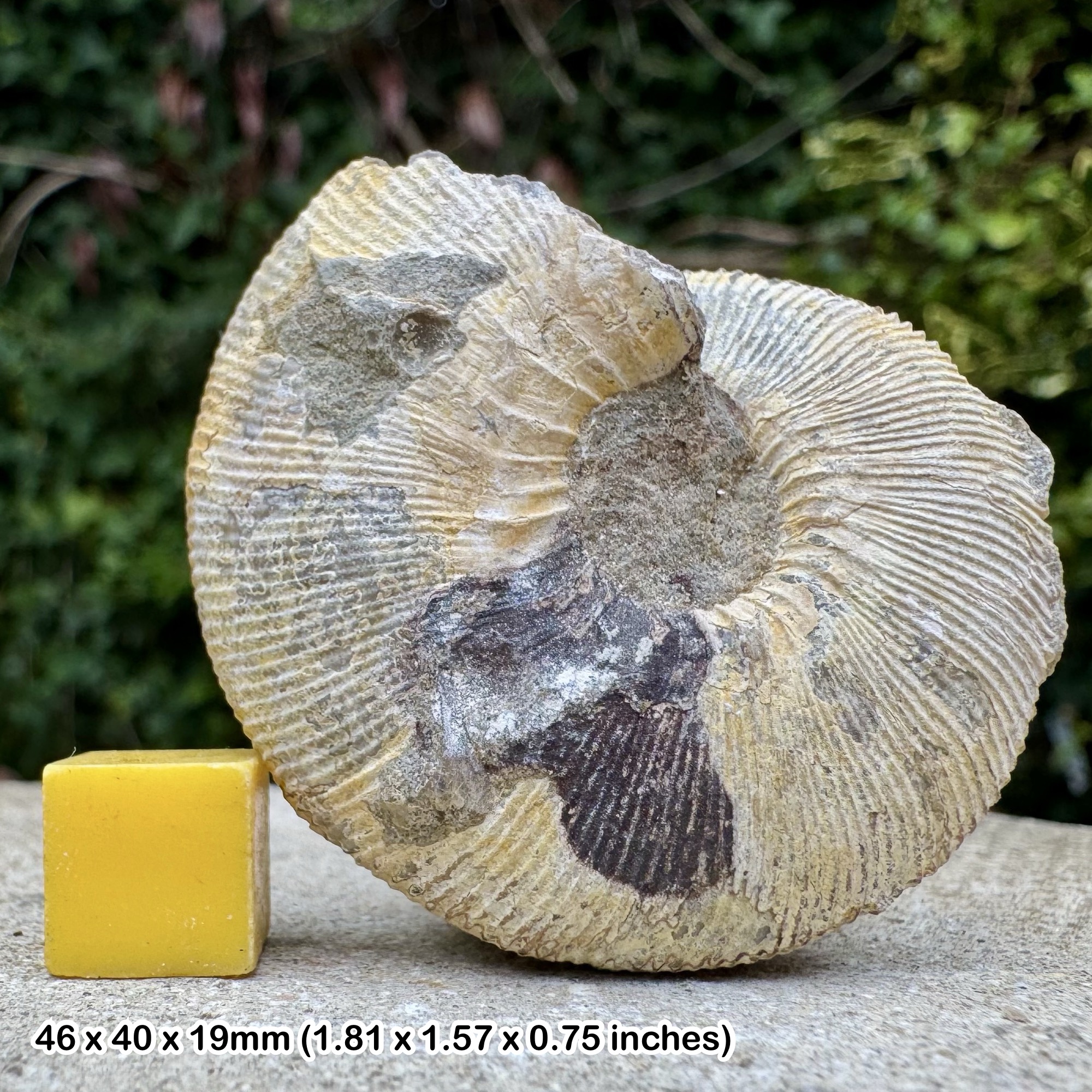
Fossil Ammonite Quenstedtoceras lamberti Jurassic Upper Callovian Weymouth Dorset UK
£ 24.00
RARE JURASSIC AMMONITE – QUENSTEDTOCERAS LAMBERTIThis listing offers a rare fossil ammonite, Quenstedtoceras lamberti, from the
Upper Callovian stage of the Jurassic period, approximately 163 million years old. Discovered near Weymouth, Dorset, United Kingdom, this specimen is an authentic piece of Britain’s remarkable geological heritage. Carefully preserved in the fossil-rich strata of southern England, this ammonite is supplied with a Certificate of Authenticity, ensuring its genuine nature. The photographs provided show the exact specimen you will receive. GEOLOGICAL SETTING – UPPER CALLOVIAN OF DORSETThe Callovian stage forms part of the Middle Jurassic and is well represented across Dorset. Deposited in shallow marine environments, the clays and limestones of this period record a dynamic seaway that supported an abundance of life. Ammonites are among the most important fossils of this interval, their rapid evolutionary turnover making them vital index fossils for geological dating.The Weymouth region is internationally significant for its Jurassic deposits, with exposures that reveal sequences from the Callovian through to younger stages. Ammonites such as Quenstedtoceras lamberti provide essential evidence for correlating beds across Europe, forming a key element in Jurassic stratigraphy. SCIENTIFIC CLASSIFICATION
• Kingdom: Animalia
• Phylum: Mollusca
• Class: Cephalopoda
• Order: Ammonitida
• Superfamily: Stephanoceratoidea
• Family: Cardioceratidae
• Genus: Quenstedtoceras
• Species: Quenstedtoceras lambertiThis classification places the fossil within the Cardioceratidae, a family of ribbed ammonites that flourished during the Callovian stage. Members of this genus are named in honour of the German palaeontologist Friedrich August von Quenstedt, who made major contributions to Jurassic ammonite research. MORPHOLOGICAL FEATURESThe species Quenstedtoceras lamberti is noted for:
• Distinct ribbing: Strong, regular ribs radiating from the umbilicus to the venter, forming a striking ornamentation.
• Compressed whorl section: Producing an elegant discoidal form, typical of many Callovian ammonites.
• Narrow venter: With ribs crossing cleanly, enhancing its characteristic pattern.
• Well-defined suture lines: Exhibiting intricate lobes and saddles, a feature of ammonites used in identification.These traits make it a scientifically important ammonite and a visually striking fossil for collectors. PALAEOECOLOGY – LIFE OF QUENSTEDTOCERASLike other ammonites, Quenstedtoceras lamberti was a nektonic carnivore, actively swimming in Jurassic seas. Its chambered shell allowed buoyancy control, while its tentacles and beak-like jaws would have enabled it to prey upon small marine organisms such as crustaceans and fish fry.The Upper Callovian seas of Dorset were home to diverse marine ecosystems, including other ammonites, belemnites, marine reptiles, and abundant bivalves. The presence of Quenstedtoceras indicates a rich marine environment with well-oxygenated waters. COLLECTOR AND DISPLAY VALUEThis specimen is not only a scientifically valuable ammonite fossil but also a superb display piece. Its well-preserved ribbing and classic Jurassic provenance make it an ideal acquisition for collectors, educators, or enthusiasts of natural history. Fossils from Dorset’s Callovian exposures are increasingly sought after, both for their historical significance and their beauty. PROVENANCE AND GUARANTEE
• Species: Quenstedtoceras lamberti
• Age: Jurassic, Upper Callovian (~163 million years old)
• Formation/Deposit: Callovian strata near Weymouth
• Locality: Weymouth, Dorset, United KingdomThis fossil is guaranteed authentic and supplied with a Certificate of Authenticity. The exact specimen photographed is the one you will receive, chosen for its quality and scientific value.This rare Quenstedtoceras lamberti ammonite fossil from the Jurassic of Dorset is an outstanding addition to any fossil collection, combining scientific importance, exceptional preservation, and a direct connection to the geological history of Britain.
Upper Callovian stage of the Jurassic period, approximately 163 million years old. Discovered near Weymouth, Dorset, United Kingdom, this specimen is an authentic piece of Britain’s remarkable geological heritage. Carefully preserved in the fossil-rich strata of southern England, this ammonite is supplied with a Certificate of Authenticity, ensuring its genuine nature. The photographs provided show the exact specimen you will receive. GEOLOGICAL SETTING – UPPER CALLOVIAN OF DORSETThe Callovian stage forms part of the Middle Jurassic and is well represented across Dorset. Deposited in shallow marine environments, the clays and limestones of this period record a dynamic seaway that supported an abundance of life. Ammonites are among the most important fossils of this interval, their rapid evolutionary turnover making them vital index fossils for geological dating.The Weymouth region is internationally significant for its Jurassic deposits, with exposures that reveal sequences from the Callovian through to younger stages. Ammonites such as Quenstedtoceras lamberti provide essential evidence for correlating beds across Europe, forming a key element in Jurassic stratigraphy. SCIENTIFIC CLASSIFICATION
• Kingdom: Animalia
• Phylum: Mollusca
• Class: Cephalopoda
• Order: Ammonitida
• Superfamily: Stephanoceratoidea
• Family: Cardioceratidae
• Genus: Quenstedtoceras
• Species: Quenstedtoceras lambertiThis classification places the fossil within the Cardioceratidae, a family of ribbed ammonites that flourished during the Callovian stage. Members of this genus are named in honour of the German palaeontologist Friedrich August von Quenstedt, who made major contributions to Jurassic ammonite research. MORPHOLOGICAL FEATURESThe species Quenstedtoceras lamberti is noted for:
• Distinct ribbing: Strong, regular ribs radiating from the umbilicus to the venter, forming a striking ornamentation.
• Compressed whorl section: Producing an elegant discoidal form, typical of many Callovian ammonites.
• Narrow venter: With ribs crossing cleanly, enhancing its characteristic pattern.
• Well-defined suture lines: Exhibiting intricate lobes and saddles, a feature of ammonites used in identification.These traits make it a scientifically important ammonite and a visually striking fossil for collectors. PALAEOECOLOGY – LIFE OF QUENSTEDTOCERASLike other ammonites, Quenstedtoceras lamberti was a nektonic carnivore, actively swimming in Jurassic seas. Its chambered shell allowed buoyancy control, while its tentacles and beak-like jaws would have enabled it to prey upon small marine organisms such as crustaceans and fish fry.The Upper Callovian seas of Dorset were home to diverse marine ecosystems, including other ammonites, belemnites, marine reptiles, and abundant bivalves. The presence of Quenstedtoceras indicates a rich marine environment with well-oxygenated waters. COLLECTOR AND DISPLAY VALUEThis specimen is not only a scientifically valuable ammonite fossil but also a superb display piece. Its well-preserved ribbing and classic Jurassic provenance make it an ideal acquisition for collectors, educators, or enthusiasts of natural history. Fossils from Dorset’s Callovian exposures are increasingly sought after, both for their historical significance and their beauty. PROVENANCE AND GUARANTEE
• Species: Quenstedtoceras lamberti
• Age: Jurassic, Upper Callovian (~163 million years old)
• Formation/Deposit: Callovian strata near Weymouth
• Locality: Weymouth, Dorset, United KingdomThis fossil is guaranteed authentic and supplied with a Certificate of Authenticity. The exact specimen photographed is the one you will receive, chosen for its quality and scientific value.This rare Quenstedtoceras lamberti ammonite fossil from the Jurassic of Dorset is an outstanding addition to any fossil collection, combining scientific importance, exceptional preservation, and a direct connection to the geological history of Britain.
Other Products