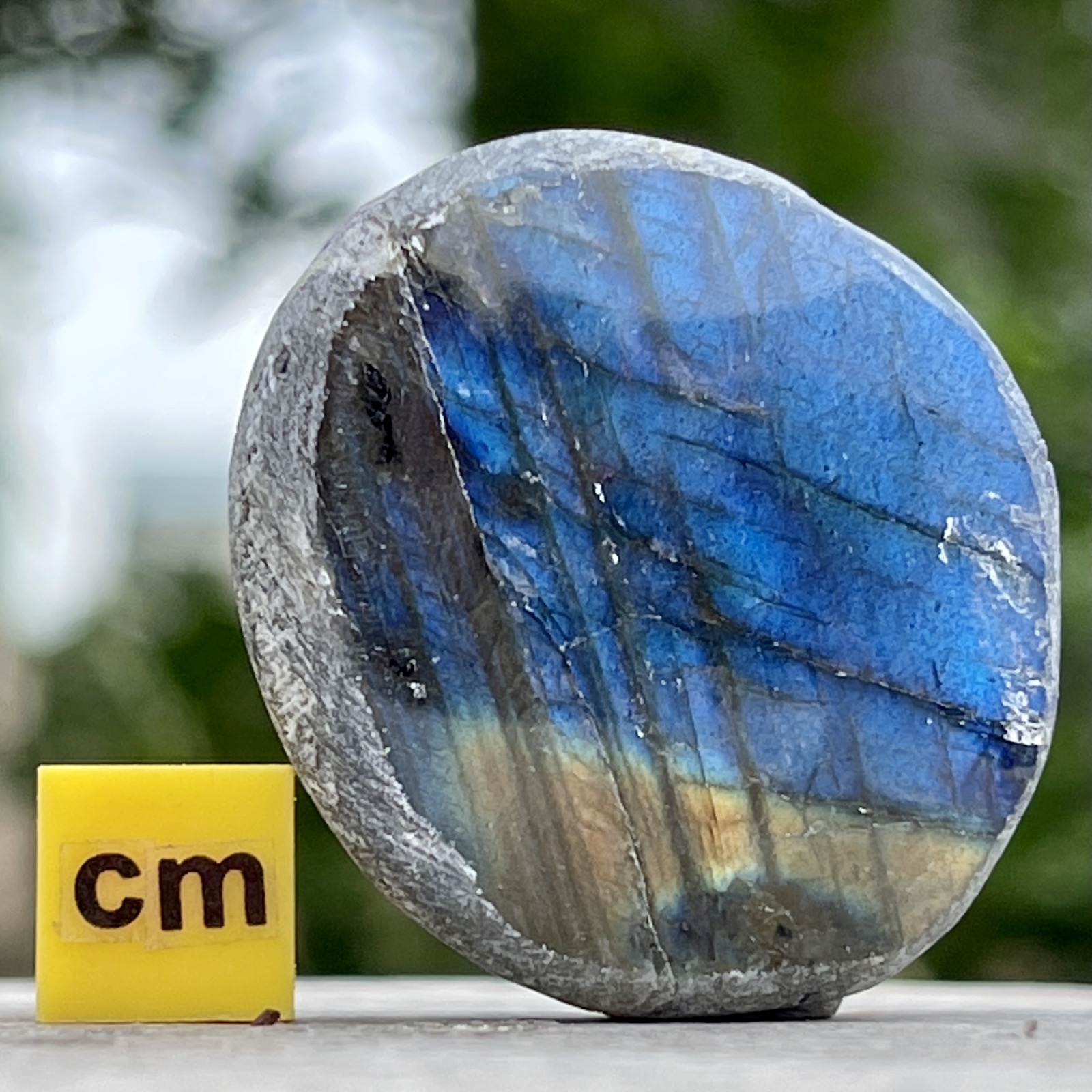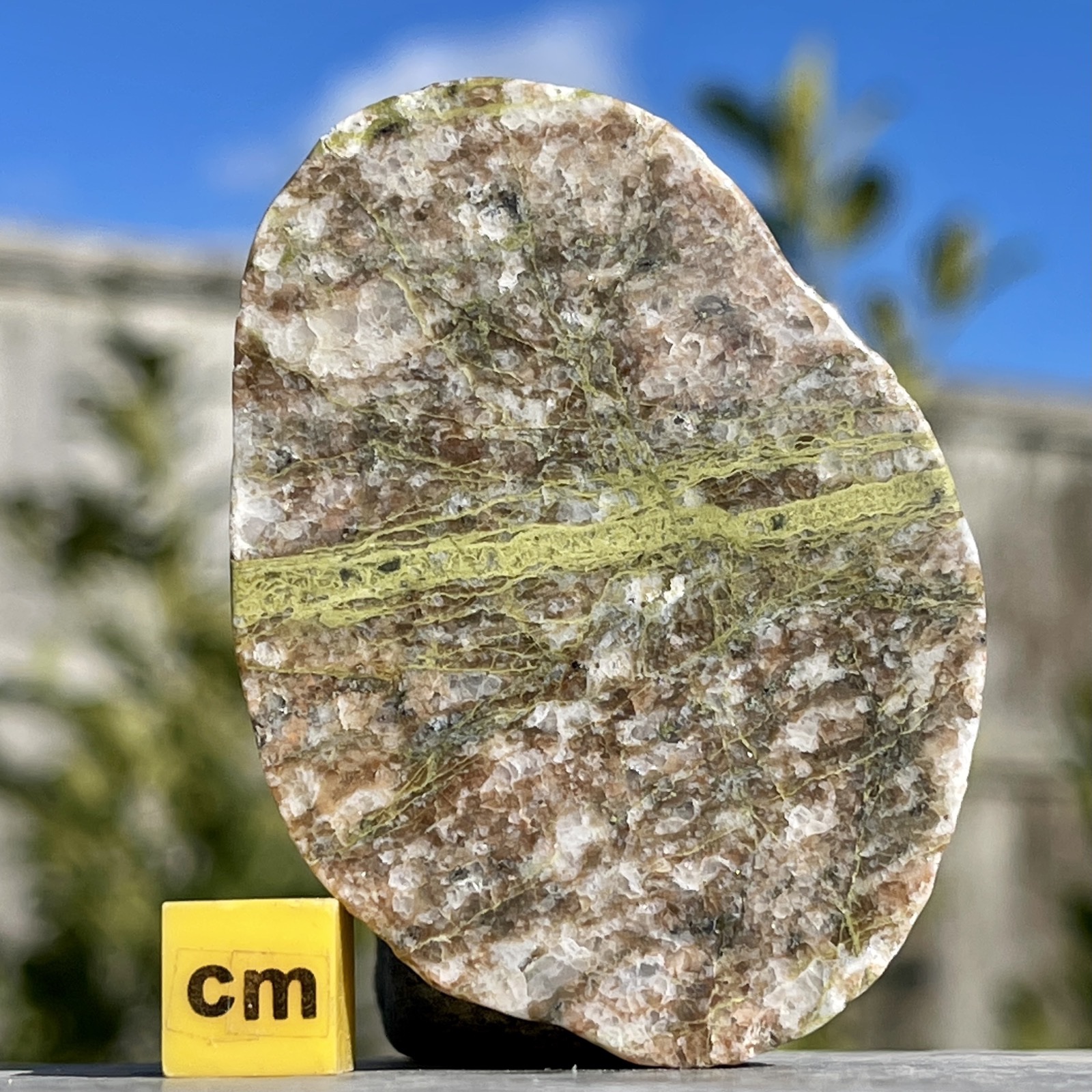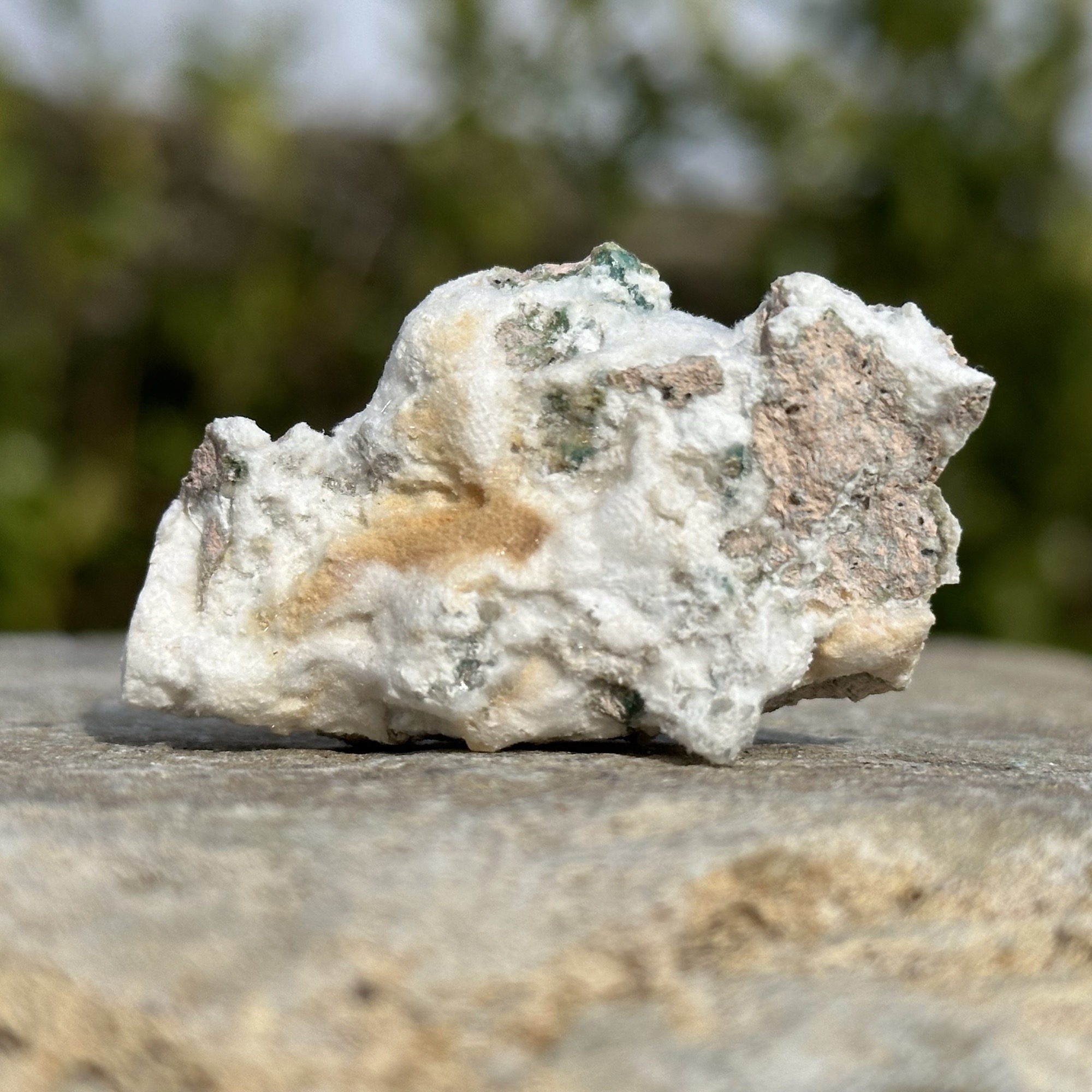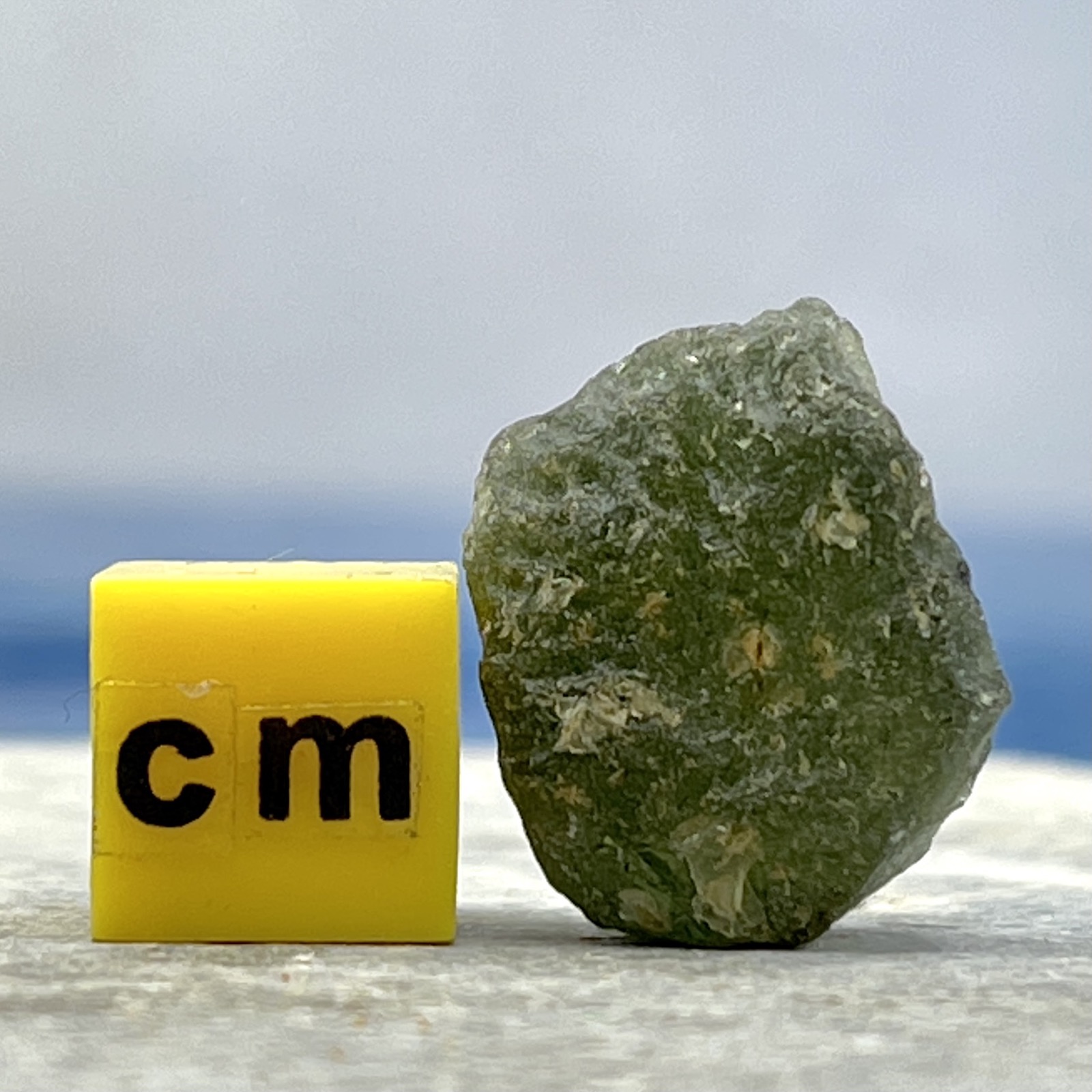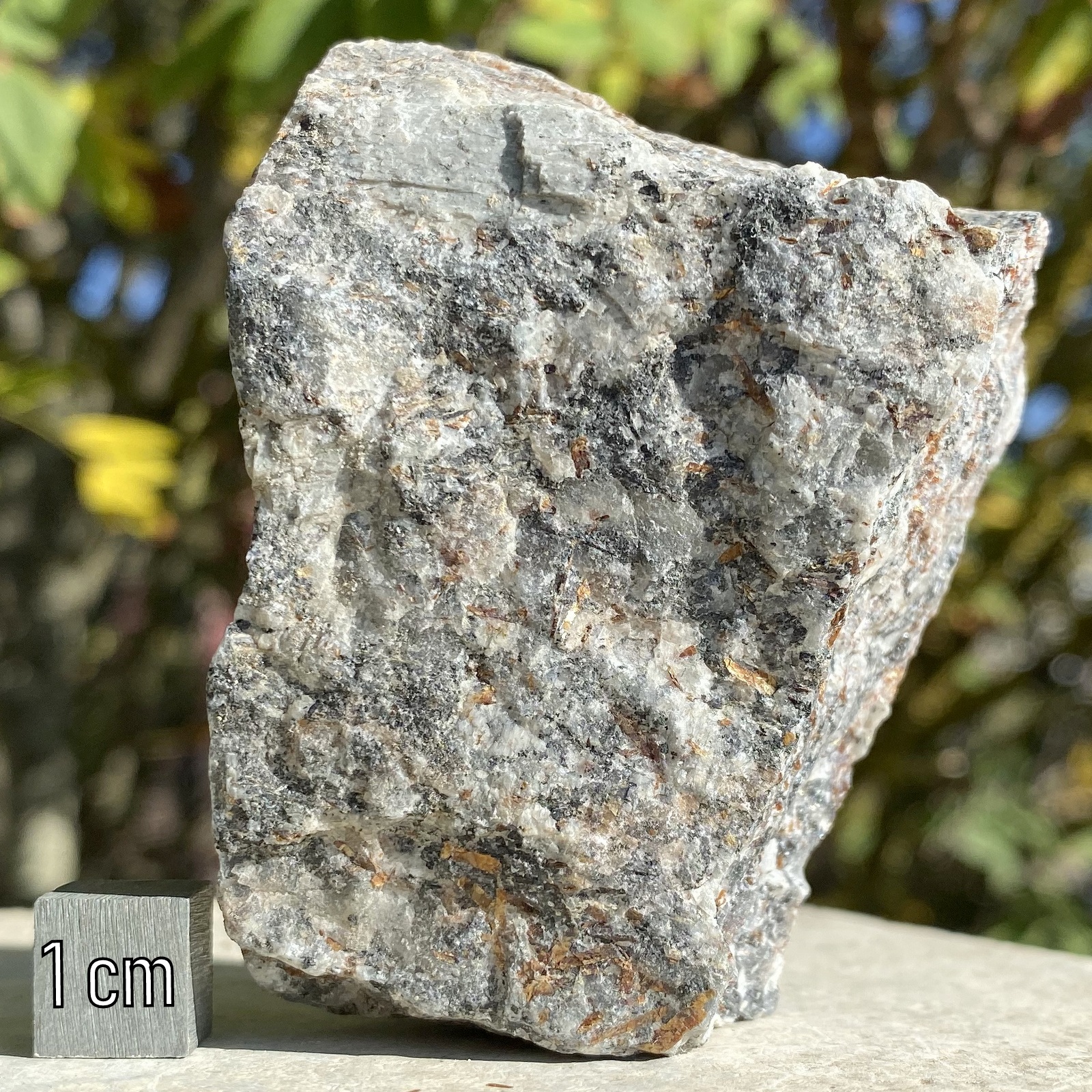
Magnesioastrophylite Mineral Specimen Russia Rare Silicate Crystal 64mm
£ 8.16
GENUINE MAGNESIOASTROPHYLITE MINERAL SPECIMEN – RUSSIAThis listing is for a genuine Magnesioastrophylite mineral specimen from Russia,
measuring approximately 64mm. The photograph shown represents an example of the actual specimen you will receive. Each piece is carefully chosen for its rarity, natural crystalline structure, and collector quality.Your specimen includes a Certificate of Authenticity lifetime guarantee generic card, confirming it is a genuine natural mineral. Full sizing and scale can be seen clearly in the photographs. MINERAL SPECIES & CLASSIFICATIONMagnesioastrophylite is a rare and visually distinctive mineral belonging to the astrophyllite group of complex silicates. It is characterised by its unique crystal chemistry and striking radiating or bladed crystal habits.Magnesioastrophylite is a magnesium-dominant member of the astrophyllite series, forming in specialised geological environments rich in alkaline elements.Key mineral information:
• Mineral Species: Magnesioastrophylite
• Mineral Group: Astrophyllite Group (Complex Silicate)
• Crystal System: Triclinic
• Lustre: Vitreous to submetallic
• Transparency: Translucent to opaque
• Typical Colours: Golden-brown, bronze, yellowish, dark brown tonesIts name is derived from the Greek words meaning “star leaf,” referring to the starburst-like crystal aggregates often seen in astrophyllite minerals. GEOLOGICAL FORMATION & RUSSIAN LOCALITYMagnesioastrophylite forms in rare alkaline igneous environments, particularly within nepheline syenites and related pegmatites. These geological settings are known for producing unusual and complex mineral species due to their enrichment in elements such as sodium, potassium, titanium, and magnesium.Russia is one of the most important global sources for astrophyllite-group minerals, especially from renowned alkaline complexes such as those found in the Kola Peninsula region. These deposits are famous among collectors for producing rare silicates with dramatic crystal forms.Associated minerals in these environments may include:
• Feldspar
• Nepheline
• Aegirine
• Titanite
• Zircon
• Other rare titanium silicatesThe specialised chemistry of these host rocks makes magnesioastrophylite an uncommon and desirable collectible. CRYSTAL HABIT & VISUAL CHARACTERISTICSMagnesioastrophylite is prized for its distinctive crystal habits, which may appear as:
• Radiating starburst sprays
• Bladed or fibrous aggregates
• Layered, leaf-like structures
• Bronze to golden reflective surfacesSpecimens often display a striking metallic sheen when light catches the crystal faces, giving them strong visual appeal in mineral displays.Natural surface variations, inclusions, and crystalline textures are expected and confirm the authenticity of the specimen as a naturally formed mineral. SIZE & COLLECTOR DISPLAY APPEAL (64MM)At approximately 64mm, this specimen is an excellent display size, substantial enough to showcase its rare mineral character while remaining suitable for cabinet collections.Ideal for:
• Advanced mineral collectors
• Rare silicate enthusiasts
• Geological reference collections
• Display cabinets and specimen trays
• Unique gifts for serious collectorsIts rarity and locality make it a standout addition to any collection focused on unusual igneous and pegmatitic minerals. TRADITIONAL ASSOCIATIONS (NON-MEDICAL)In spiritual traditions, astrophyllite-group minerals are sometimes traditionally associated with transformation and insight symbolism. This listing is presented strictly as a natural mineral specimen, valued for its geological rarity and collector interest, with no medical or outcome-based claims. AUTHENTICITY & PRODUCT DETAILS
• Genuine Magnesioastrophylite mineral specimen
• Origin: Russia
• Size: Approximately 64mm
• Rare complex silicate from alkaline igneous environments
• Carefully selected collector piece
• Includes Certificate of Authenticity lifetime guarantee generic card
• Photo shows an example of the actual specimen you will receiveA rare and visually striking Russian magnesioastrophylite specimen, offering exceptional collector value and a fascinating example of complex silicate mineralogy.
measuring approximately 64mm. The photograph shown represents an example of the actual specimen you will receive. Each piece is carefully chosen for its rarity, natural crystalline structure, and collector quality.Your specimen includes a Certificate of Authenticity lifetime guarantee generic card, confirming it is a genuine natural mineral. Full sizing and scale can be seen clearly in the photographs. MINERAL SPECIES & CLASSIFICATIONMagnesioastrophylite is a rare and visually distinctive mineral belonging to the astrophyllite group of complex silicates. It is characterised by its unique crystal chemistry and striking radiating or bladed crystal habits.Magnesioastrophylite is a magnesium-dominant member of the astrophyllite series, forming in specialised geological environments rich in alkaline elements.Key mineral information:
• Mineral Species: Magnesioastrophylite
• Mineral Group: Astrophyllite Group (Complex Silicate)
• Crystal System: Triclinic
• Lustre: Vitreous to submetallic
• Transparency: Translucent to opaque
• Typical Colours: Golden-brown, bronze, yellowish, dark brown tonesIts name is derived from the Greek words meaning “star leaf,” referring to the starburst-like crystal aggregates often seen in astrophyllite minerals. GEOLOGICAL FORMATION & RUSSIAN LOCALITYMagnesioastrophylite forms in rare alkaline igneous environments, particularly within nepheline syenites and related pegmatites. These geological settings are known for producing unusual and complex mineral species due to their enrichment in elements such as sodium, potassium, titanium, and magnesium.Russia is one of the most important global sources for astrophyllite-group minerals, especially from renowned alkaline complexes such as those found in the Kola Peninsula region. These deposits are famous among collectors for producing rare silicates with dramatic crystal forms.Associated minerals in these environments may include:
• Feldspar
• Nepheline
• Aegirine
• Titanite
• Zircon
• Other rare titanium silicatesThe specialised chemistry of these host rocks makes magnesioastrophylite an uncommon and desirable collectible. CRYSTAL HABIT & VISUAL CHARACTERISTICSMagnesioastrophylite is prized for its distinctive crystal habits, which may appear as:
• Radiating starburst sprays
• Bladed or fibrous aggregates
• Layered, leaf-like structures
• Bronze to golden reflective surfacesSpecimens often display a striking metallic sheen when light catches the crystal faces, giving them strong visual appeal in mineral displays.Natural surface variations, inclusions, and crystalline textures are expected and confirm the authenticity of the specimen as a naturally formed mineral. SIZE & COLLECTOR DISPLAY APPEAL (64MM)At approximately 64mm, this specimen is an excellent display size, substantial enough to showcase its rare mineral character while remaining suitable for cabinet collections.Ideal for:
• Advanced mineral collectors
• Rare silicate enthusiasts
• Geological reference collections
• Display cabinets and specimen trays
• Unique gifts for serious collectorsIts rarity and locality make it a standout addition to any collection focused on unusual igneous and pegmatitic minerals. TRADITIONAL ASSOCIATIONS (NON-MEDICAL)In spiritual traditions, astrophyllite-group minerals are sometimes traditionally associated with transformation and insight symbolism. This listing is presented strictly as a natural mineral specimen, valued for its geological rarity and collector interest, with no medical or outcome-based claims. AUTHENTICITY & PRODUCT DETAILS
• Genuine Magnesioastrophylite mineral specimen
• Origin: Russia
• Size: Approximately 64mm
• Rare complex silicate from alkaline igneous environments
• Carefully selected collector piece
• Includes Certificate of Authenticity lifetime guarantee generic card
• Photo shows an example of the actual specimen you will receiveA rare and visually striking Russian magnesioastrophylite specimen, offering exceptional collector value and a fascinating example of complex silicate mineralogy.