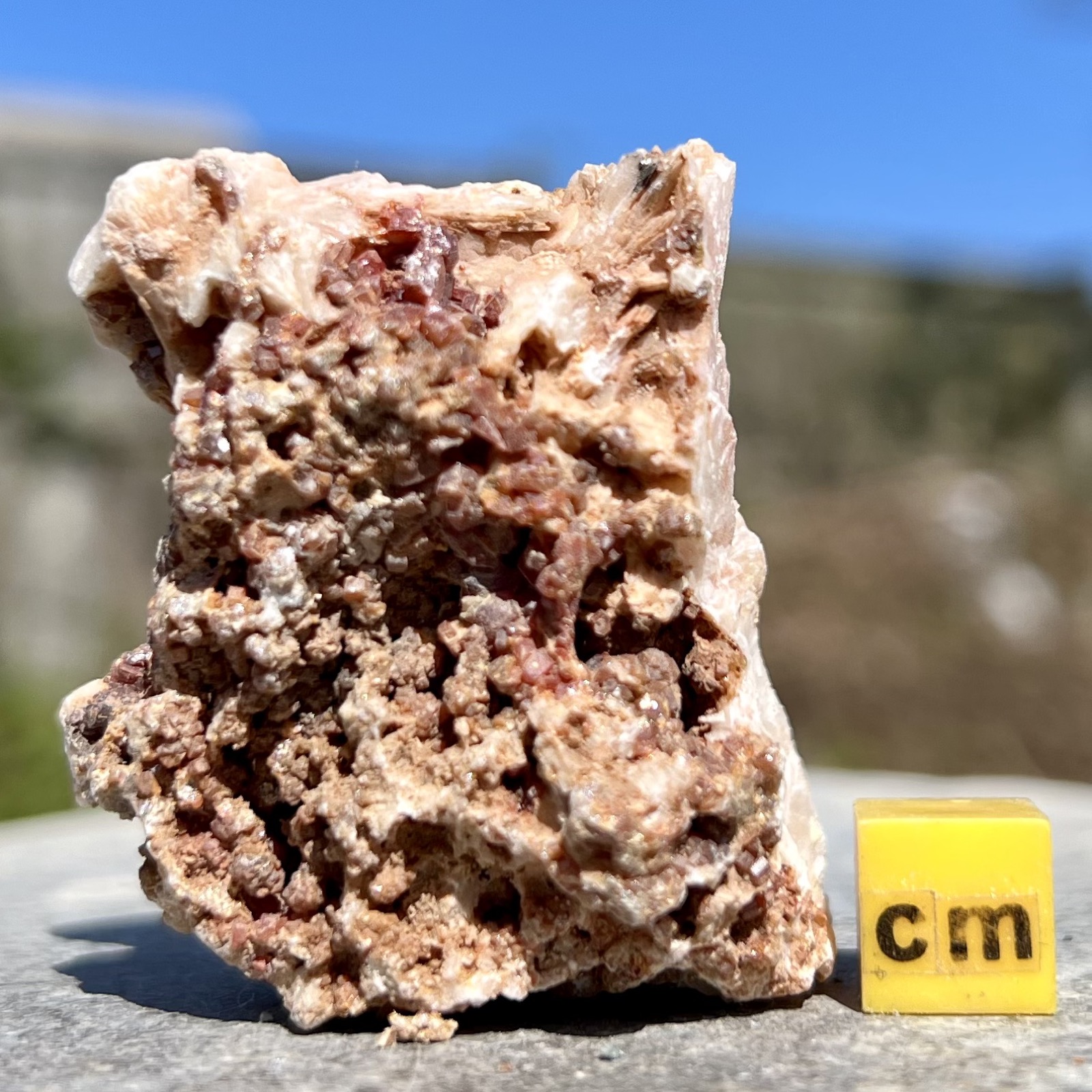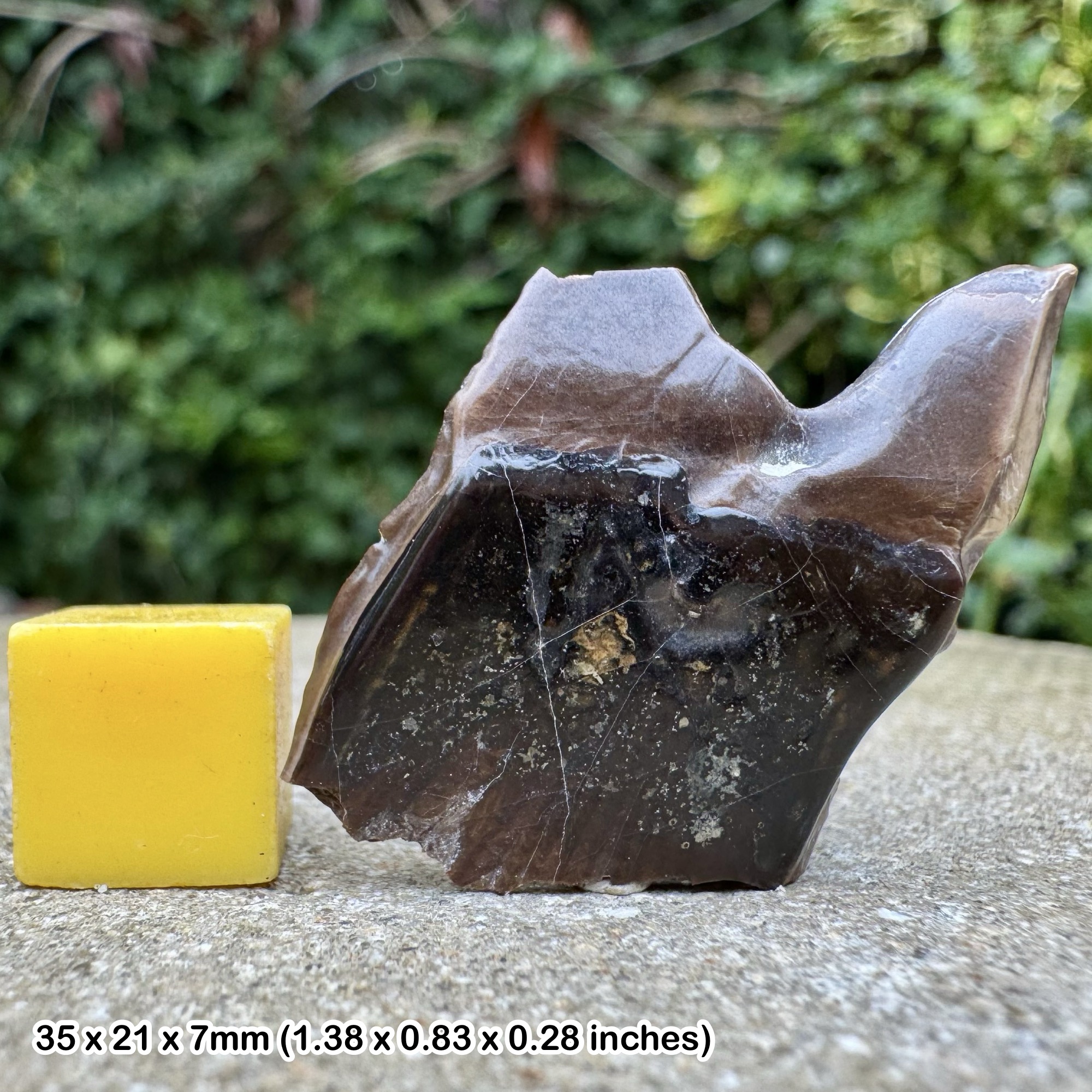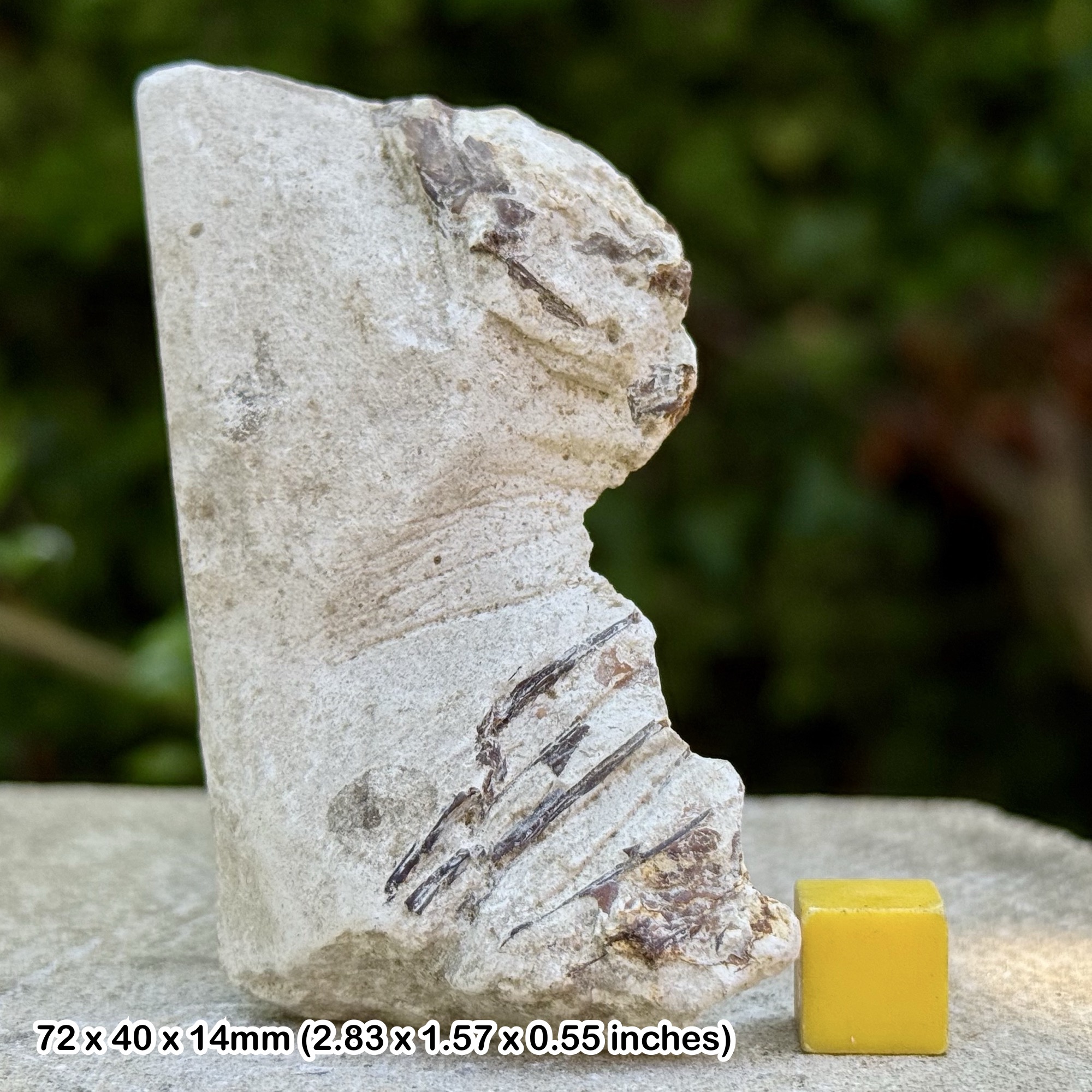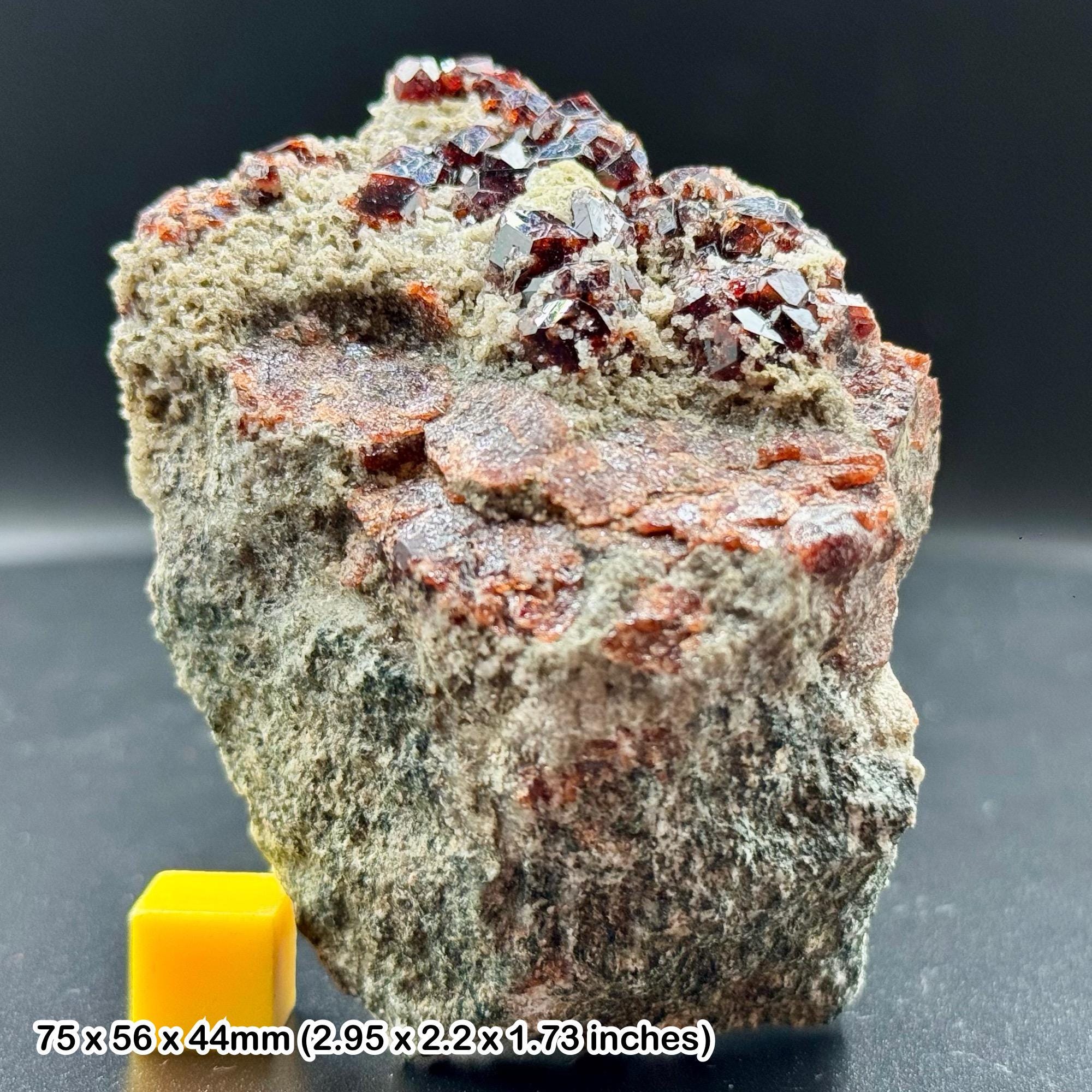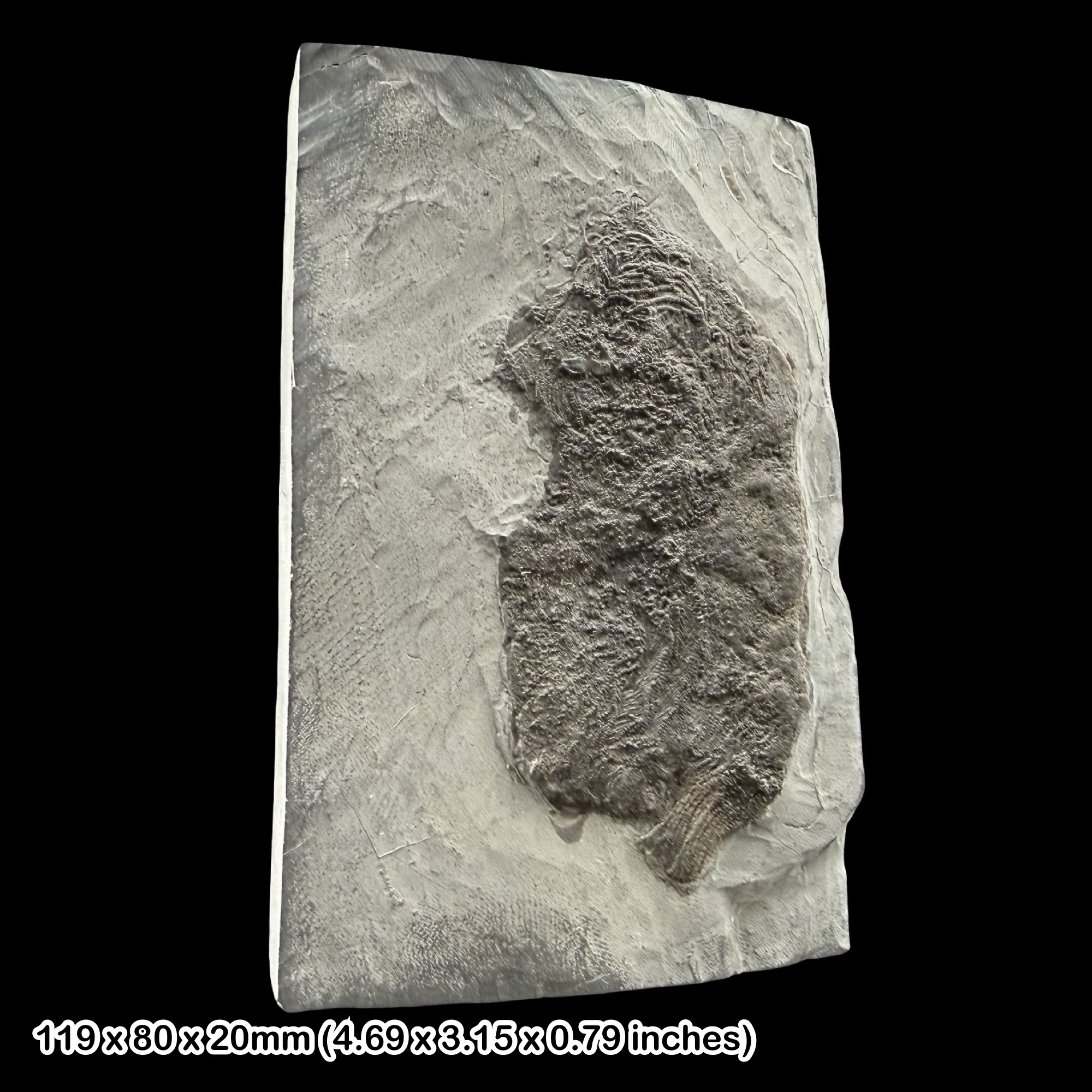
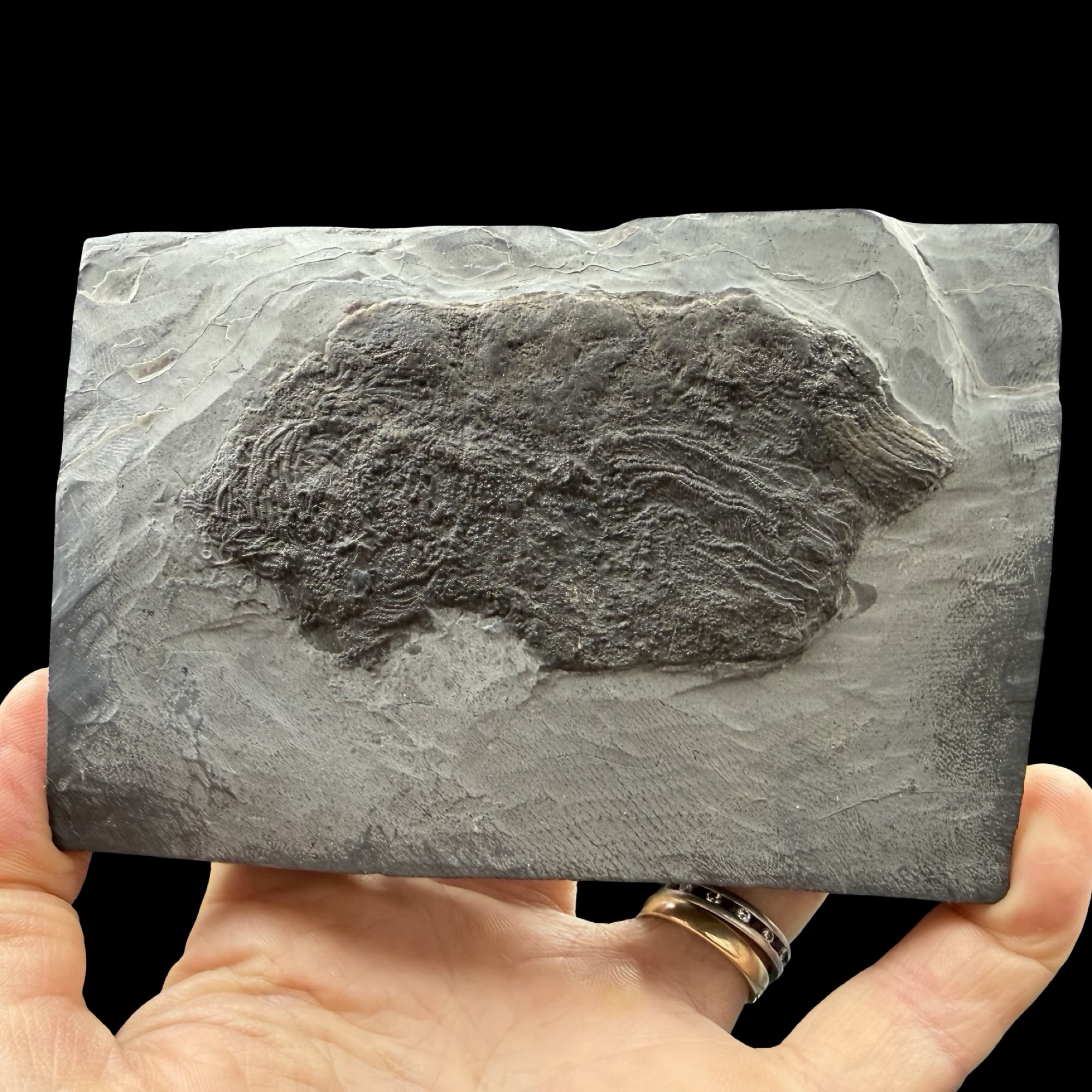
Pentacrinites Crinoid Fossil Whitby North Yorkshire UK Lower Jurassic Toarcian Sea Lily Whitby Mudstone Formation Authentic Specimen
£ 60.00
Authentic Pentacrinites Crinoid Fossil from Whitby, North YorkshireThis genuine fossil specimen of Pentacrinites sp. originates from the renowned
Lower Jurassic deposits of Whitby on the Yorkshire coast of England. Preserved within the Whitby Mudstone Formation, this fossil represents the remains of a marine crinoid, commonly known as a “sea lily,” that lived in ancient Jurassic seas approximately 182–174 million years ago during the Toarcian stage.Whitby is internationally famous for its fossil-rich cliffs, which form part of the North Yorkshire Jurassic coastline. These rocks have produced remarkable fossils of ammonites, marine reptiles, and crinoids for centuries. The fossil shown in the photographs is the exact specimen you will receive and has been carefully chosen for quality and authenticity. The fossil includes a Certificate of Authenticity lifetime guarantee generic card, confirming that it is a genuine specimen.Full sizing is available in the photographs provided.About Pentacrinites – Jurassic Sea LiliesPentacrinites belongs to the class Crinoidea, a group of marine echinoderms related to starfish, brittle stars, and sea urchins. Within this class it is classified in the order Isocrinida, a group of stalked crinoids that were particularly abundant in Jurassic seas.Crinoids are often referred to as sea lilies because of their plant-like appearance, although they are animals. They possess a central body known as a calyx, from which numerous feathery arms extend to capture microscopic food particles suspended in seawater. These arms used tube feet to filter plankton and organic matter from passing currents.The body of Pentacrinites was anchored to the seabed by a long flexible stalk composed of stacked disc-like segments known as columnals. These distinctive pentagonal segments are a key identifying feature of the genus, giving rise to the name Pentacrinites, meaning “five-rayed lily.”When fossilised, these columnals often preserve the star-shaped or pentagonal cross-section that makes crinoid fossils particularly recognisable and visually striking.Geological Formation – Whitby Mudstone FormationThis fossil comes from the Whitby Mudstone Formation, an Early Jurassic geological unit deposited during the Toarcian stage of the Lower Jurassic. The formation consists primarily of dark marine mudstones and shales that were laid down in a relatively deep marine environment.During the Early Jurassic, much of Britain was submerged beneath a warm epicontinental sea. Fine clay and silt settled slowly to the seabed, preserving the remains of marine organisms that lived in the water column or on the sea floor.The Whitby Mudstone Formation is particularly well known for its exceptional fossil preservation. In addition to crinoids, the formation has produced ammonites, belemnites, marine reptiles such as ichthyosaurs and plesiosaurs, and numerous other invertebrate fossils.These sediments accumulated during a time of significant oceanographic change, including the well-known Toarcian Oceanic Anoxic Event, which contributed to the excellent preservation of marine fossils within the formation.Morphology and Fossil CharacteristicsCrinoid fossils of Pentacrinites typically preserve sections of the stalk made up of stacked columnal discs. Each columnal has a distinctive central canal through which soft tissue once passed, allowing flexibility in the stalk.The pentagonal or star-like outline of these segments reflects the five-fold radial symmetry characteristic of echinoderms. This symmetry is a fundamental trait shared by all members of the phylum Echinodermata.When preserved in slabs of Jurassic shale or mudstone, the columnals may appear as aligned segments forming a chain-like structure. In some specimens, clusters or masses of crinoid stems can occur where colonies of these animals once lived together on the seafloor.Such fossils provide important insight into the structure of Jurassic marine ecosystems and the diversity of filter-feeding organisms that inhabited ancient oceans.Whitby Fossils and Historical SignificanceThe fossil beds of Whitby have been studied since the early days of geology and palaeontology in Britain. The region became particularly famous in the 19th century for the discovery of spectacular marine reptiles and abundant ammonites within the Jurassic cliffs.Crinoids such as Pentacrinites are an important component of this fossil fauna and help scientists understand the structure of Early Jurassic marine communities.Specimens from Whitby are especially valued by collectors because they come from one of the most historically significant fossil localities in the United Kingdom.Authenticity and Collector InformationThis fossil is a genuine specimen from the Lower Jurassic Whitby Mudstone Formation of North Yorkshire, UK. The photograph shows the exact fossil you will receive, ensuring collectors know precisely what they are purchasing.The fossil includes a Certificate of Authenticity lifetime guarantee generic card, confirming its genuine geological origin.This Pentacrinites crinoid fossil makes an excellent addition to any fossil collection, natural history display, geological cabinet, or educational study of Jurassic marine life from the famous Whitby fossil beds.
Lower Jurassic deposits of Whitby on the Yorkshire coast of England. Preserved within the Whitby Mudstone Formation, this fossil represents the remains of a marine crinoid, commonly known as a “sea lily,” that lived in ancient Jurassic seas approximately 182–174 million years ago during the Toarcian stage.Whitby is internationally famous for its fossil-rich cliffs, which form part of the North Yorkshire Jurassic coastline. These rocks have produced remarkable fossils of ammonites, marine reptiles, and crinoids for centuries. The fossil shown in the photographs is the exact specimen you will receive and has been carefully chosen for quality and authenticity. The fossil includes a Certificate of Authenticity lifetime guarantee generic card, confirming that it is a genuine specimen.Full sizing is available in the photographs provided.About Pentacrinites – Jurassic Sea LiliesPentacrinites belongs to the class Crinoidea, a group of marine echinoderms related to starfish, brittle stars, and sea urchins. Within this class it is classified in the order Isocrinida, a group of stalked crinoids that were particularly abundant in Jurassic seas.Crinoids are often referred to as sea lilies because of their plant-like appearance, although they are animals. They possess a central body known as a calyx, from which numerous feathery arms extend to capture microscopic food particles suspended in seawater. These arms used tube feet to filter plankton and organic matter from passing currents.The body of Pentacrinites was anchored to the seabed by a long flexible stalk composed of stacked disc-like segments known as columnals. These distinctive pentagonal segments are a key identifying feature of the genus, giving rise to the name Pentacrinites, meaning “five-rayed lily.”When fossilised, these columnals often preserve the star-shaped or pentagonal cross-section that makes crinoid fossils particularly recognisable and visually striking.Geological Formation – Whitby Mudstone FormationThis fossil comes from the Whitby Mudstone Formation, an Early Jurassic geological unit deposited during the Toarcian stage of the Lower Jurassic. The formation consists primarily of dark marine mudstones and shales that were laid down in a relatively deep marine environment.During the Early Jurassic, much of Britain was submerged beneath a warm epicontinental sea. Fine clay and silt settled slowly to the seabed, preserving the remains of marine organisms that lived in the water column or on the sea floor.The Whitby Mudstone Formation is particularly well known for its exceptional fossil preservation. In addition to crinoids, the formation has produced ammonites, belemnites, marine reptiles such as ichthyosaurs and plesiosaurs, and numerous other invertebrate fossils.These sediments accumulated during a time of significant oceanographic change, including the well-known Toarcian Oceanic Anoxic Event, which contributed to the excellent preservation of marine fossils within the formation.Morphology and Fossil CharacteristicsCrinoid fossils of Pentacrinites typically preserve sections of the stalk made up of stacked columnal discs. Each columnal has a distinctive central canal through which soft tissue once passed, allowing flexibility in the stalk.The pentagonal or star-like outline of these segments reflects the five-fold radial symmetry characteristic of echinoderms. This symmetry is a fundamental trait shared by all members of the phylum Echinodermata.When preserved in slabs of Jurassic shale or mudstone, the columnals may appear as aligned segments forming a chain-like structure. In some specimens, clusters or masses of crinoid stems can occur where colonies of these animals once lived together on the seafloor.Such fossils provide important insight into the structure of Jurassic marine ecosystems and the diversity of filter-feeding organisms that inhabited ancient oceans.Whitby Fossils and Historical SignificanceThe fossil beds of Whitby have been studied since the early days of geology and palaeontology in Britain. The region became particularly famous in the 19th century for the discovery of spectacular marine reptiles and abundant ammonites within the Jurassic cliffs.Crinoids such as Pentacrinites are an important component of this fossil fauna and help scientists understand the structure of Early Jurassic marine communities.Specimens from Whitby are especially valued by collectors because they come from one of the most historically significant fossil localities in the United Kingdom.Authenticity and Collector InformationThis fossil is a genuine specimen from the Lower Jurassic Whitby Mudstone Formation of North Yorkshire, UK. The photograph shows the exact fossil you will receive, ensuring collectors know precisely what they are purchasing.The fossil includes a Certificate of Authenticity lifetime guarantee generic card, confirming its genuine geological origin.This Pentacrinites crinoid fossil makes an excellent addition to any fossil collection, natural history display, geological cabinet, or educational study of Jurassic marine life from the famous Whitby fossil beds.
Other Products