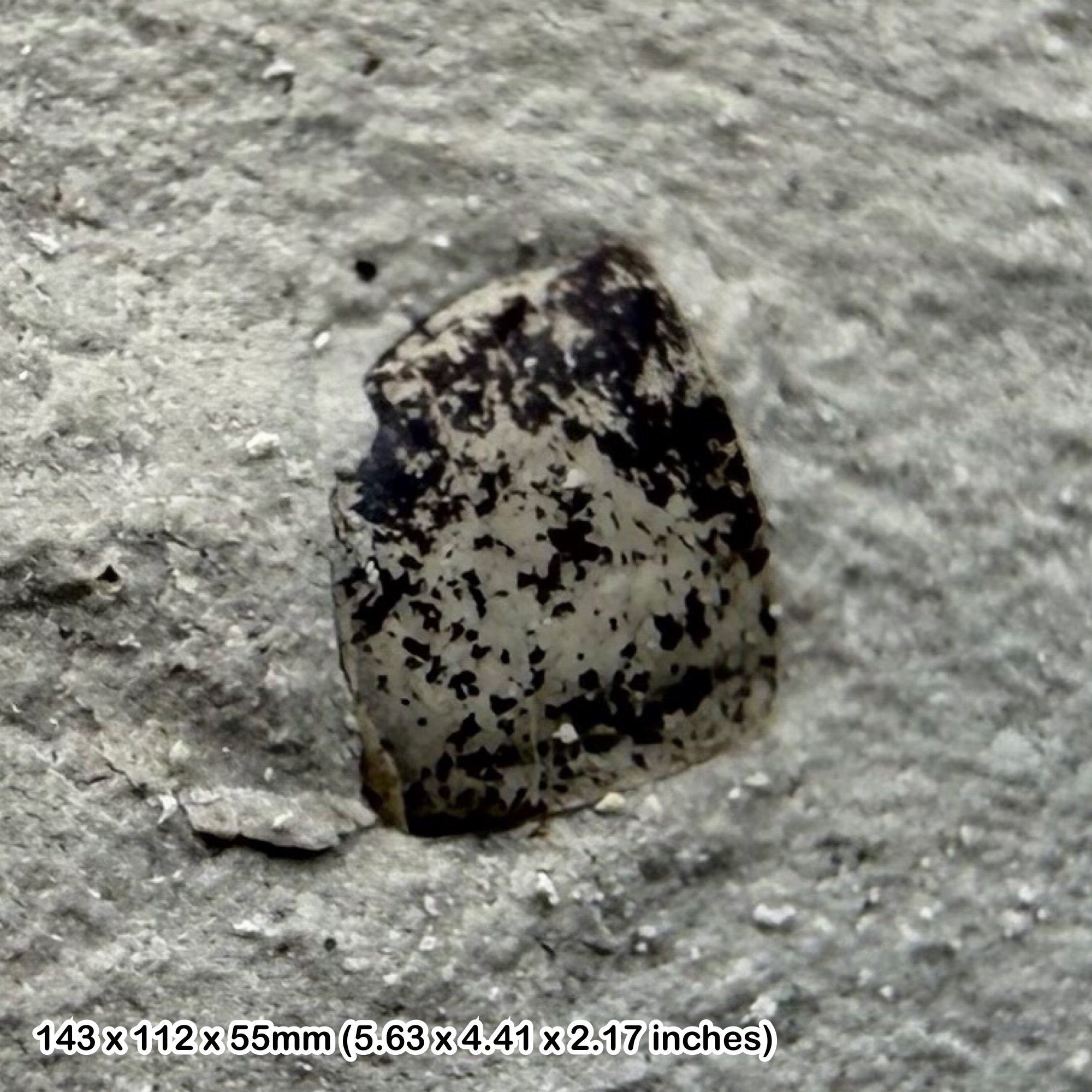
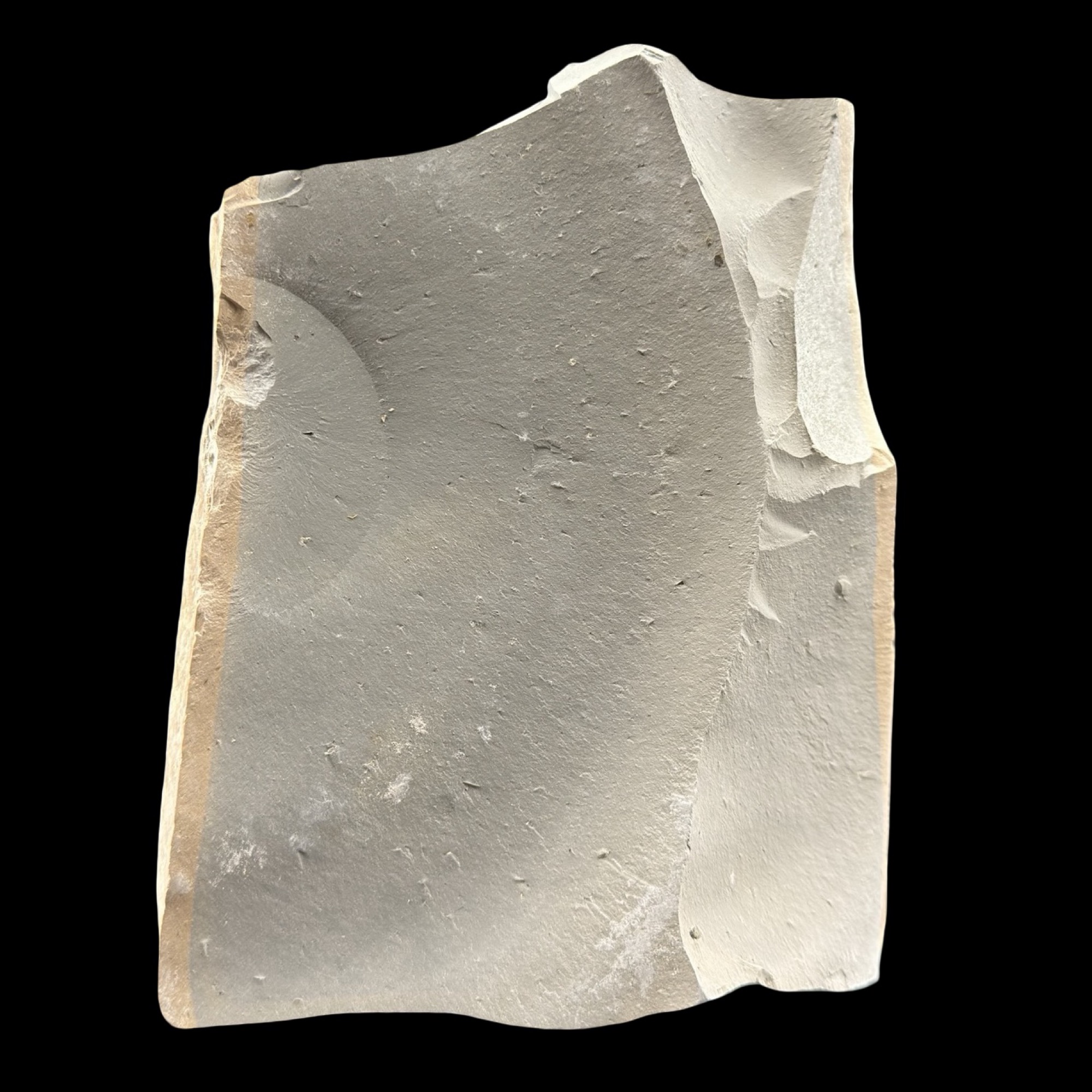
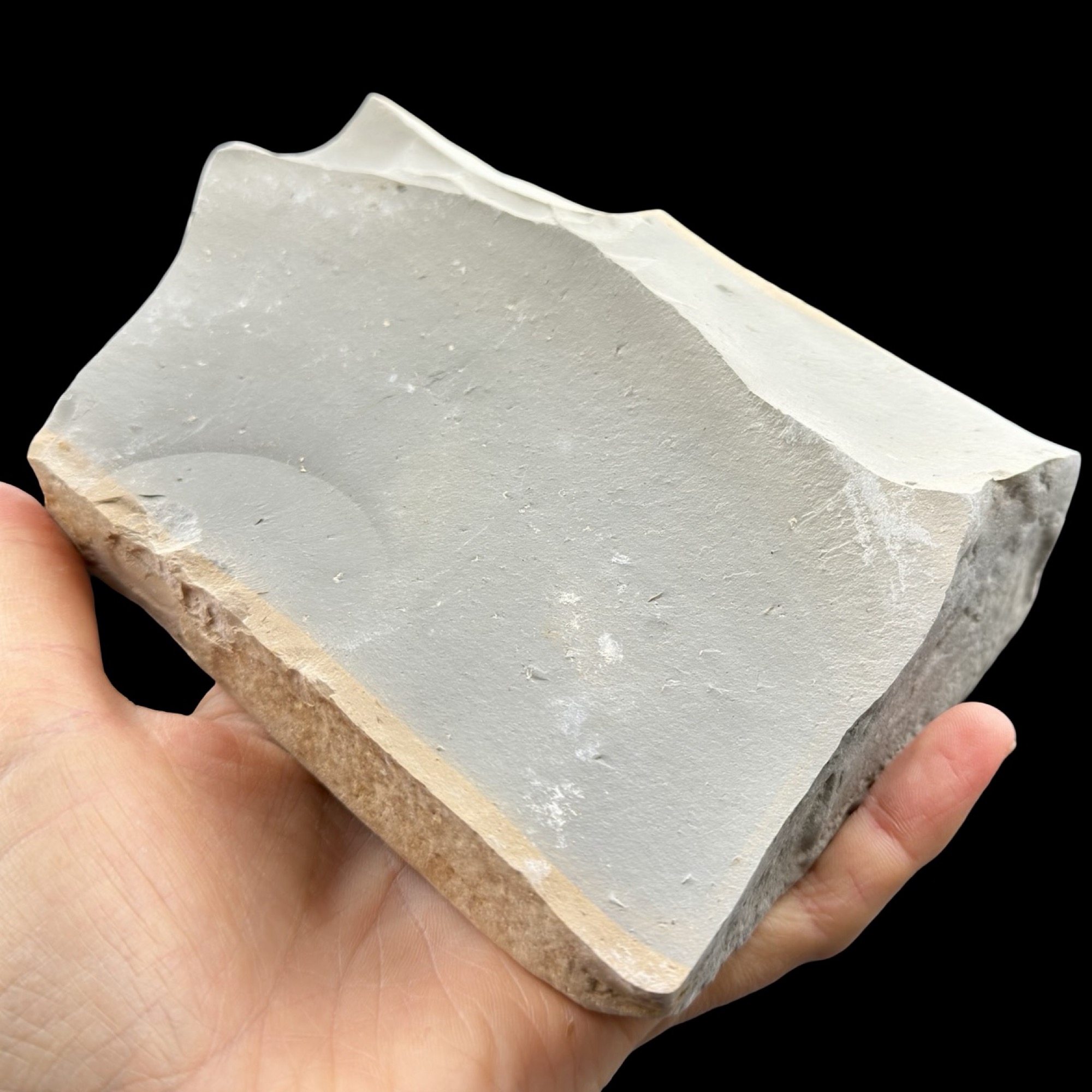
Rare Fossil Insect Oligocene Isle of Wight Bembridge Marls UK Specimen with Certificate of Authenticity
£ 24.00
RARE GENUINE FOSSIL INSECT FROM THE ISLE OF WIGHTThis rare fossil insect is a genuine Oligocene specimen from the Bembridge Marls
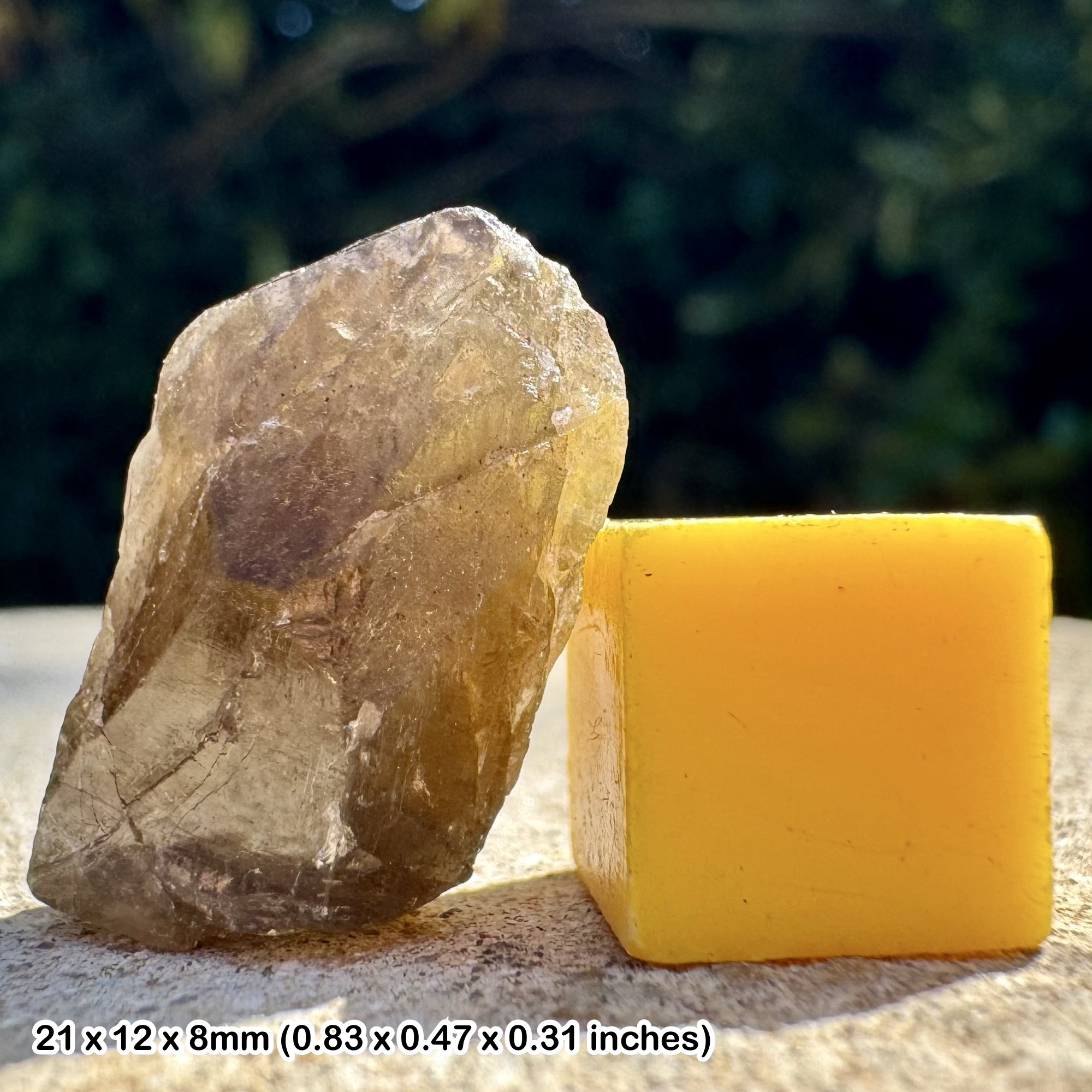
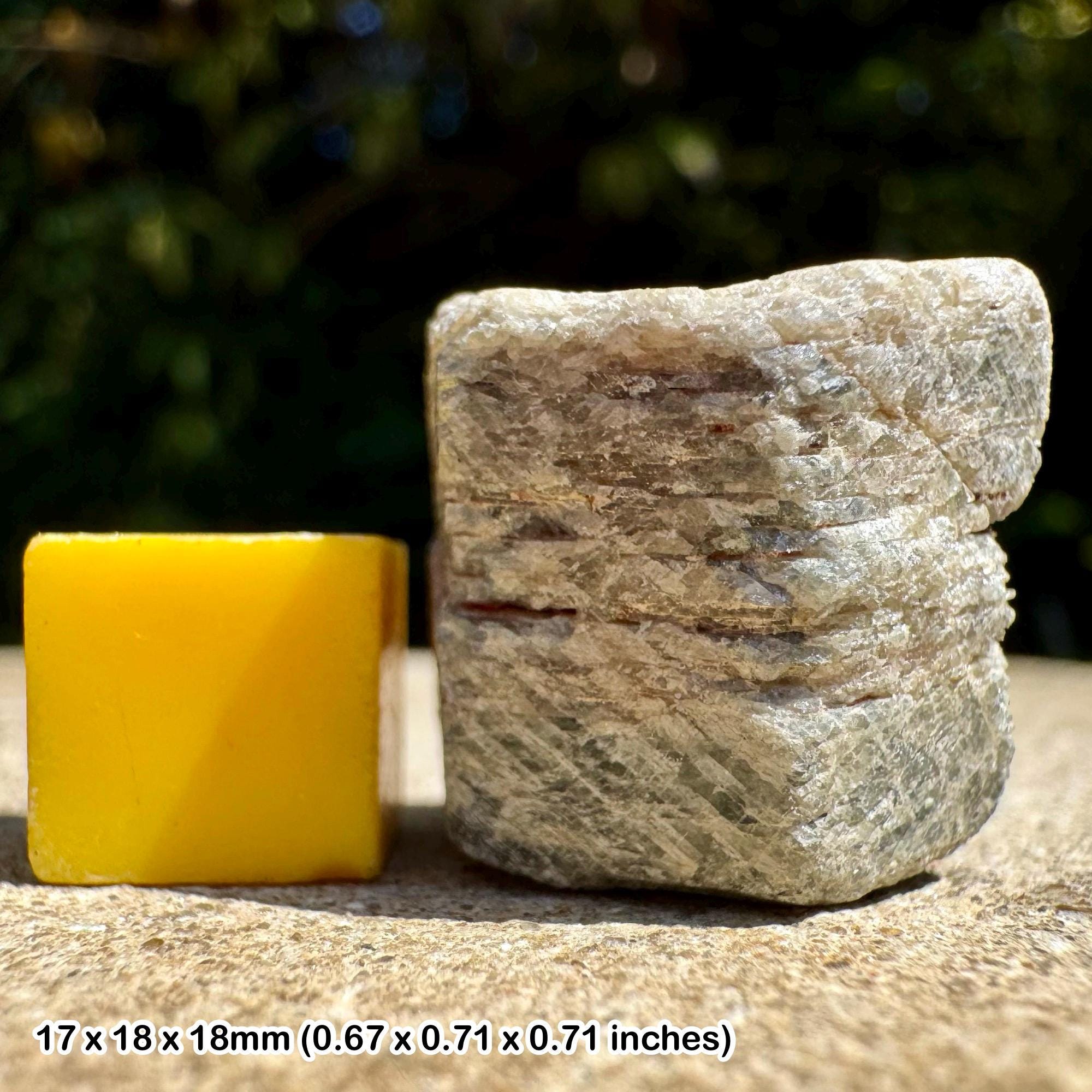
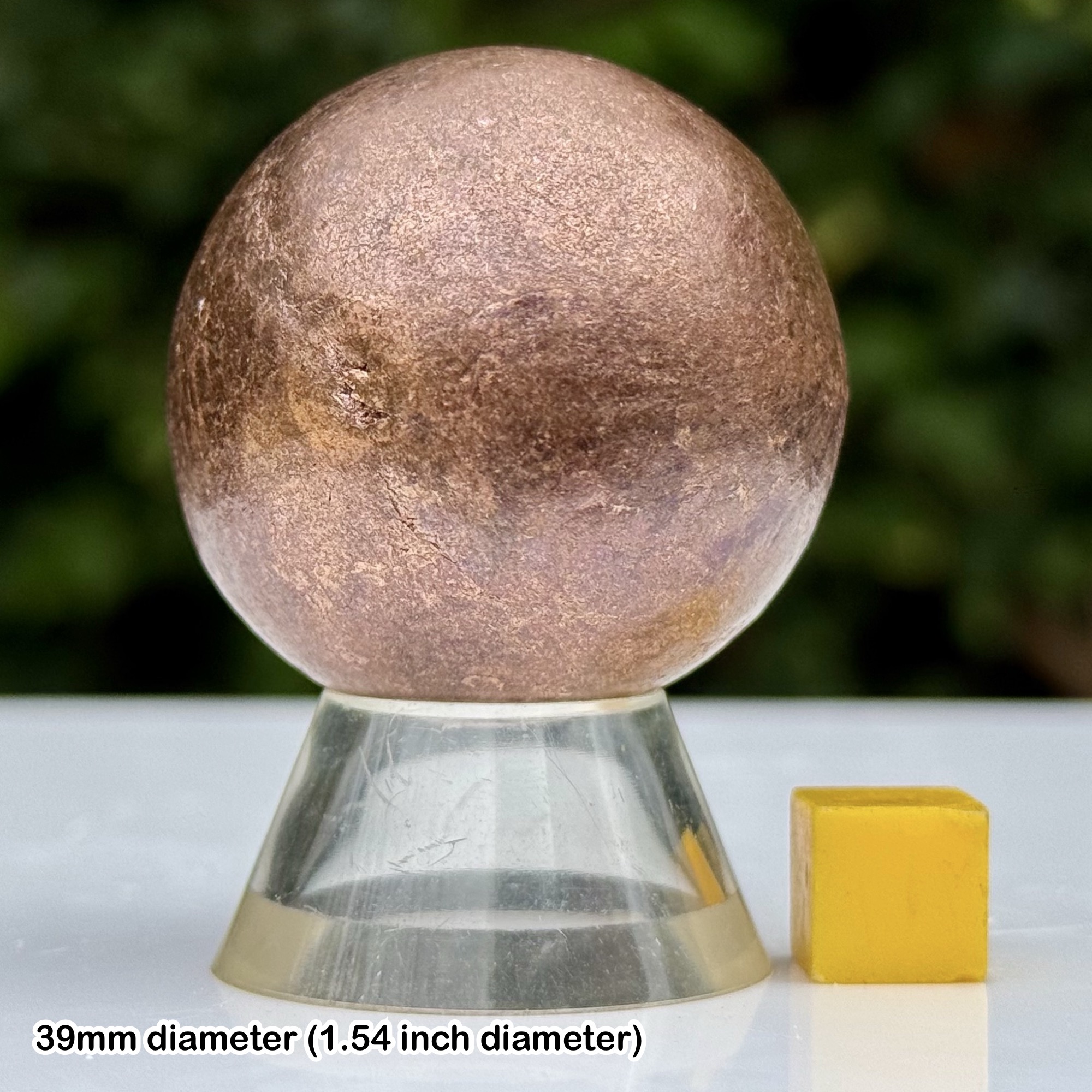
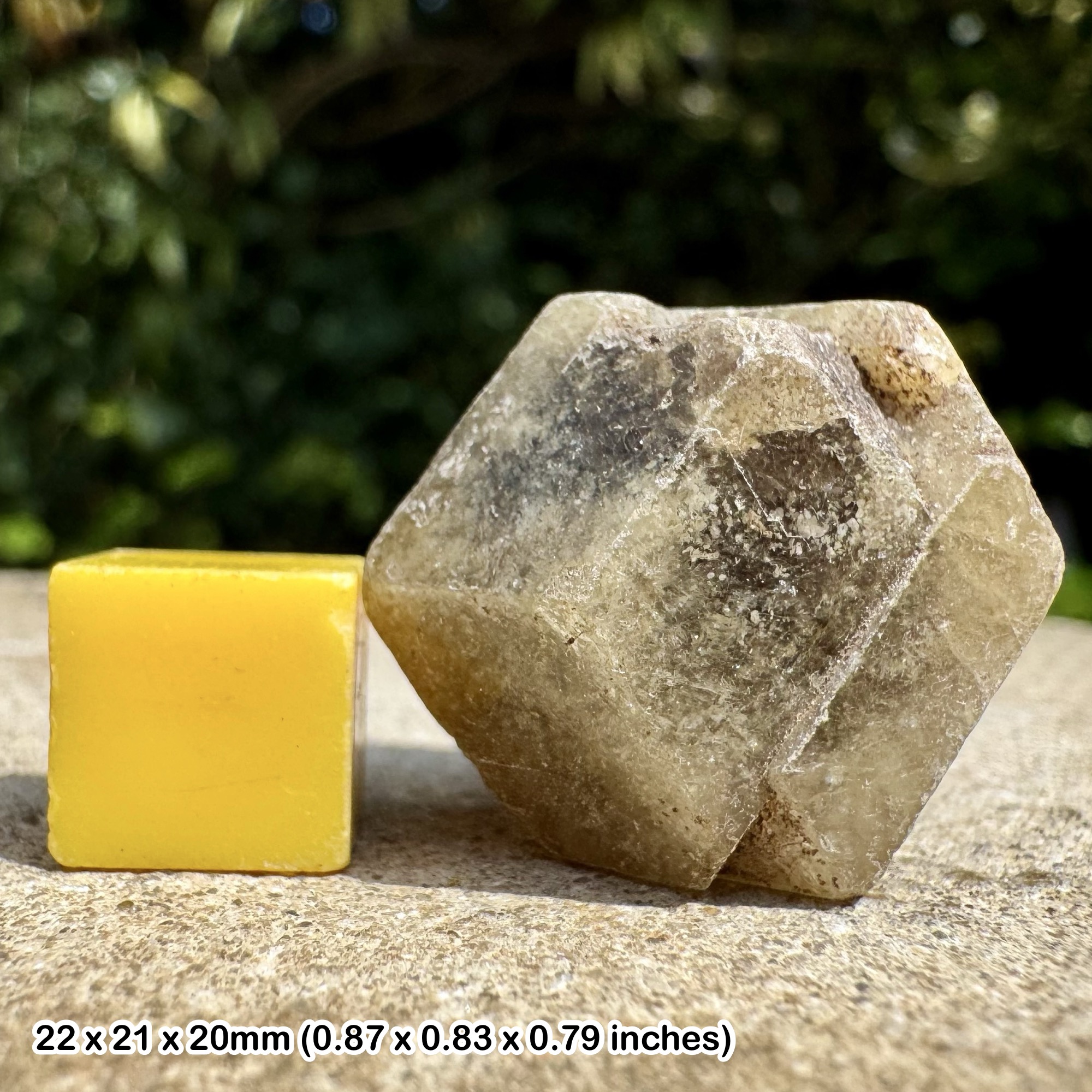
Member at Gurnard Ledge, Isle of Wight, England, UK. Fossil insects are much less commonly offered than many marine fossils, making this a highly interesting and collectable natural history specimen for fossil collectors, palaeontology enthusiasts, educational collections, and anyone interested in ancient life from the British Isles.The photograph shows the actual specimen you will receive, allowing you to view the fossil’s preservation, matrix, surface detail, colour, and overall character before purchase. Full sizing can be seen in the photo. This fossil is a genuine specimen and includes a Certificate of Authenticity lifetime guarantee generic card. DISCOVERED AND PREPARED BY OUR OWN TEAMYour specimen was discovered by our own team members, Alister and Alison, and has been cleaned, prepped, and treated by Alison. This gives the fossil a clear and trusted collecting history, adding to its appeal as an authentic British fossil specimen with reliable provenance.As with all natural fossils, the specimen may show natural matrix, fine surface texture, mineral staining, small imperfections, prepared areas, or variations in preservation. These features are part of the fossil’s genuine geological history and help make each specimen unique. ABOUT FOSSIL INSECTSFossil insects offer a fascinating glimpse into ancient terrestrial and freshwater ecosystems. Unlike hard-shelled marine animals such as ammonites, brachiopods, or bivalves, insects have delicate bodies that are far less likely to fossilise. Their preservation usually requires special conditions, such as fine sediment, low-energy water, rapid burial, and limited disturbance after death. This makes fossil insects especially desirable to collectors.Depending on preservation, fossil insects may show delicate details such as body outlines, wing traces, leg segments, antennae, or impressions of the exoskeleton. Even partial insect fossils are scientifically and visually interesting because they represent a fragile form of prehistoric life that rarely survives in the fossil record.During the Oligocene, insects occupied many of the same ecological roles they do today. They lived around lakes, wetlands, woodlands, and coastal lowlands, feeding on plants, decomposing material, other insects, or small organisms. They would also have formed an important part of the food chain for fish, amphibians, reptiles, birds, and small mammals. BEMBRIDGE MARLS MEMBER AND OLIGOCENE SETTINGThis fossil comes from the Bembridge Marls Member, part of the famous Isle of Wight geological sequence. The specimen dates from the Rupelian stage of the Oligocene, a period following the end of the Eocene and long after the extinction of the dinosaurs. The Oligocene world was changing significantly, with cooler global climates, evolving mammal groups, and developing ecosystems that were becoming more recognisably modern.The Bembridge Marls are known for preserving remains from ancient lake, lagoon, marsh, and low-energy sedimentary environments. Fine-grained marls and associated sediments helped preserve delicate fossils, including plants, shells, vertebrate remains, and occasional insects. These deposits record a landscape very different from the modern Isle of Wight, with wetlands, quiet waters, and surrounding vegetation supporting a varied ecosystem. GURNARD LEDGE, ISLE OF WIGHT FOSSIL LOCALITYGurnard Ledge is a well-known Isle of Wight fossil locality, valued for its Oligocene fossils and its connection to the island’s remarkable geological heritage. While the Isle of Wight is famous for dinosaurs and Cretaceous fossils, its younger Oligocene deposits are equally important for understanding later prehistoric environments.This rare fossil insect from Gurnard Ledge is a desirable specimen for collectors seeking genuine fossil insects, British fossils, Isle of Wight fossils, Oligocene fossils, Bembridge Marls fossils, and unusual natural history display pieces. It is well suited for a fossil cabinet, classroom geology display, palaeontology collection, study specimen, or as a thoughtful gift for a fossil enthusiast.
Member at Gurnard Ledge, Isle of Wight, England, UK. Fossil insects are much less commonly offered than many marine fossils, making this a highly interesting and collectable natural history specimen for fossil collectors, palaeontology enthusiasts, educational collections, and anyone interested in ancient life from the British Isles.The photograph shows the actual specimen you will receive, allowing you to view the fossil’s preservation, matrix, surface detail, colour, and overall character before purchase. Full sizing can be seen in the photo. This fossil is a genuine specimen and includes a Certificate of Authenticity lifetime guarantee generic card. DISCOVERED AND PREPARED BY OUR OWN TEAMYour specimen was discovered by our own team members, Alister and Alison, and has been cleaned, prepped, and treated by Alison. This gives the fossil a clear and trusted collecting history, adding to its appeal as an authentic British fossil specimen with reliable provenance.As with all natural fossils, the specimen may show natural matrix, fine surface texture, mineral staining, small imperfections, prepared areas, or variations in preservation. These features are part of the fossil’s genuine geological history and help make each specimen unique. ABOUT FOSSIL INSECTSFossil insects offer a fascinating glimpse into ancient terrestrial and freshwater ecosystems. Unlike hard-shelled marine animals such as ammonites, brachiopods, or bivalves, insects have delicate bodies that are far less likely to fossilise. Their preservation usually requires special conditions, such as fine sediment, low-energy water, rapid burial, and limited disturbance after death. This makes fossil insects especially desirable to collectors.Depending on preservation, fossil insects may show delicate details such as body outlines, wing traces, leg segments, antennae, or impressions of the exoskeleton. Even partial insect fossils are scientifically and visually interesting because they represent a fragile form of prehistoric life that rarely survives in the fossil record.During the Oligocene, insects occupied many of the same ecological roles they do today. They lived around lakes, wetlands, woodlands, and coastal lowlands, feeding on plants, decomposing material, other insects, or small organisms. They would also have formed an important part of the food chain for fish, amphibians, reptiles, birds, and small mammals. BEMBRIDGE MARLS MEMBER AND OLIGOCENE SETTINGThis fossil comes from the Bembridge Marls Member, part of the famous Isle of Wight geological sequence. The specimen dates from the Rupelian stage of the Oligocene, a period following the end of the Eocene and long after the extinction of the dinosaurs. The Oligocene world was changing significantly, with cooler global climates, evolving mammal groups, and developing ecosystems that were becoming more recognisably modern.The Bembridge Marls are known for preserving remains from ancient lake, lagoon, marsh, and low-energy sedimentary environments. Fine-grained marls and associated sediments helped preserve delicate fossils, including plants, shells, vertebrate remains, and occasional insects. These deposits record a landscape very different from the modern Isle of Wight, with wetlands, quiet waters, and surrounding vegetation supporting a varied ecosystem. GURNARD LEDGE, ISLE OF WIGHT FOSSIL LOCALITYGurnard Ledge is a well-known Isle of Wight fossil locality, valued for its Oligocene fossils and its connection to the island’s remarkable geological heritage. While the Isle of Wight is famous for dinosaurs and Cretaceous fossils, its younger Oligocene deposits are equally important for understanding later prehistoric environments.This rare fossil insect from Gurnard Ledge is a desirable specimen for collectors seeking genuine fossil insects, British fossils, Isle of Wight fossils, Oligocene fossils, Bembridge Marls fossils, and unusual natural history display pieces. It is well suited for a fossil cabinet, classroom geology display, palaeontology collection, study specimen, or as a thoughtful gift for a fossil enthusiast.
Other Products