Natural Black Tourmaline Crystal Layer Brazil Raw Schorl Mineral Specimen Matrix Display Stone with Certificate of Authenticity
£ 24.00
NATURAL BLACK TOURMALINE CRYSTAL LAYER – BRAZILIAN SCHORL MINERAL SPECIMENThis Natural Black Tourmaline Crystal Layer from Brazil is a genuine mineral
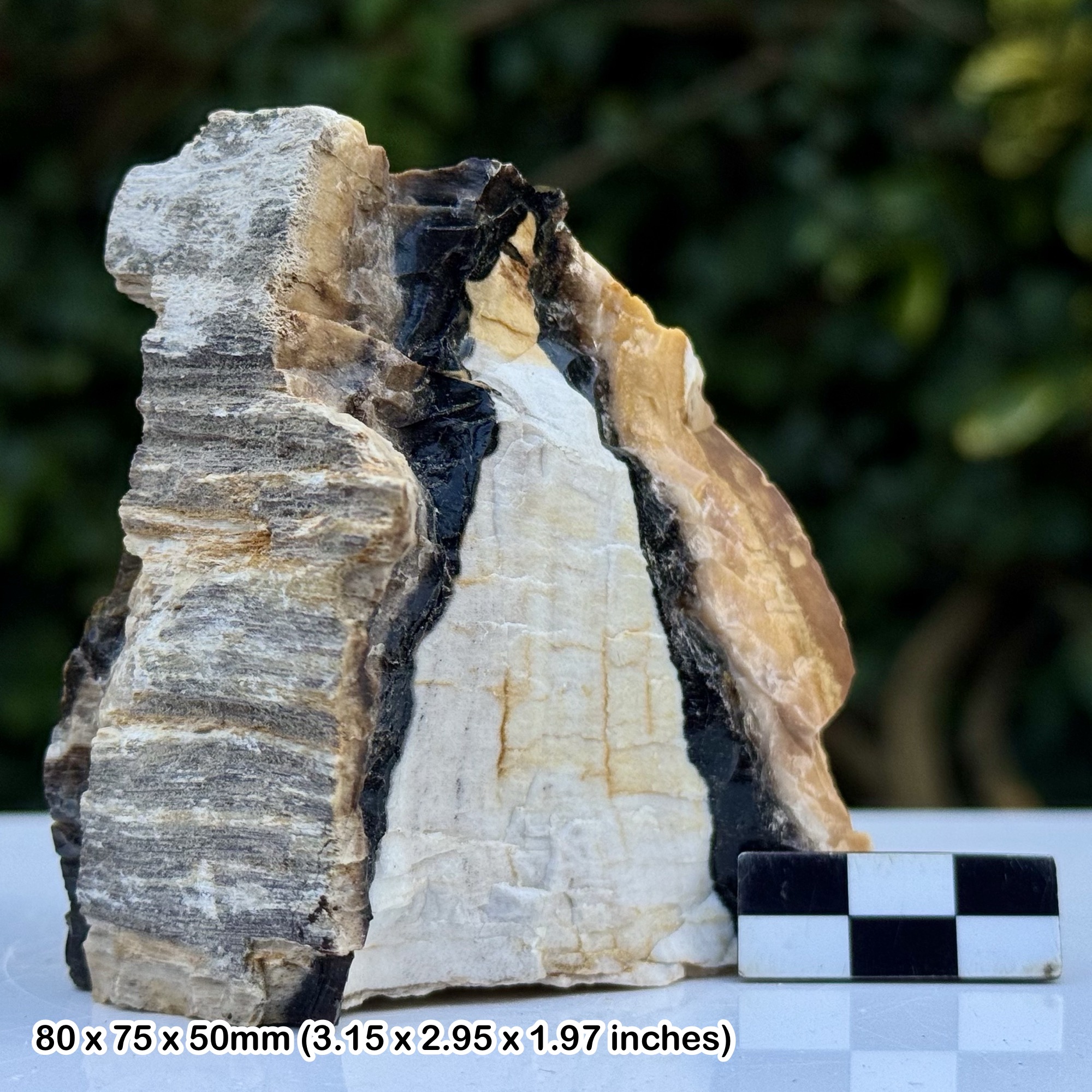
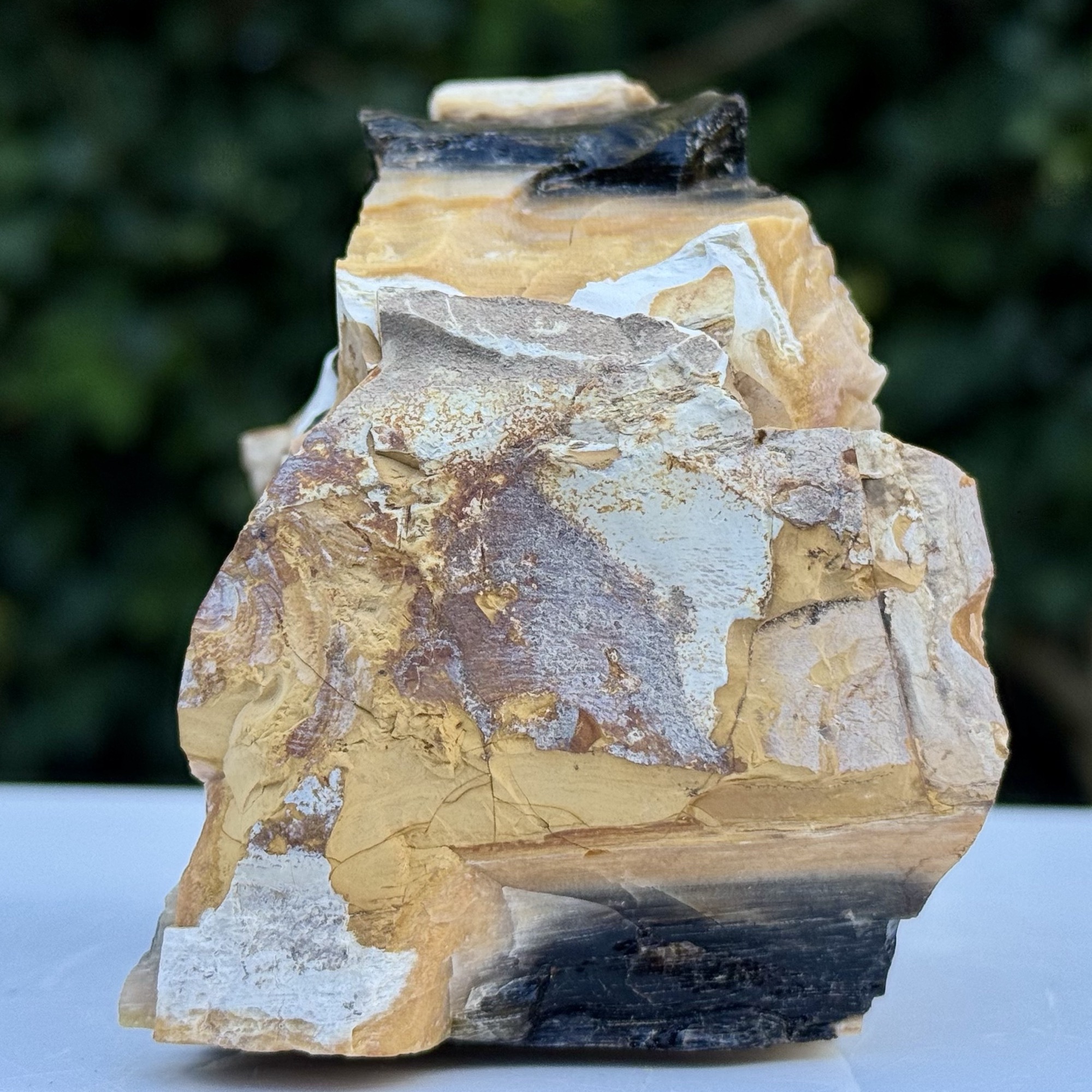
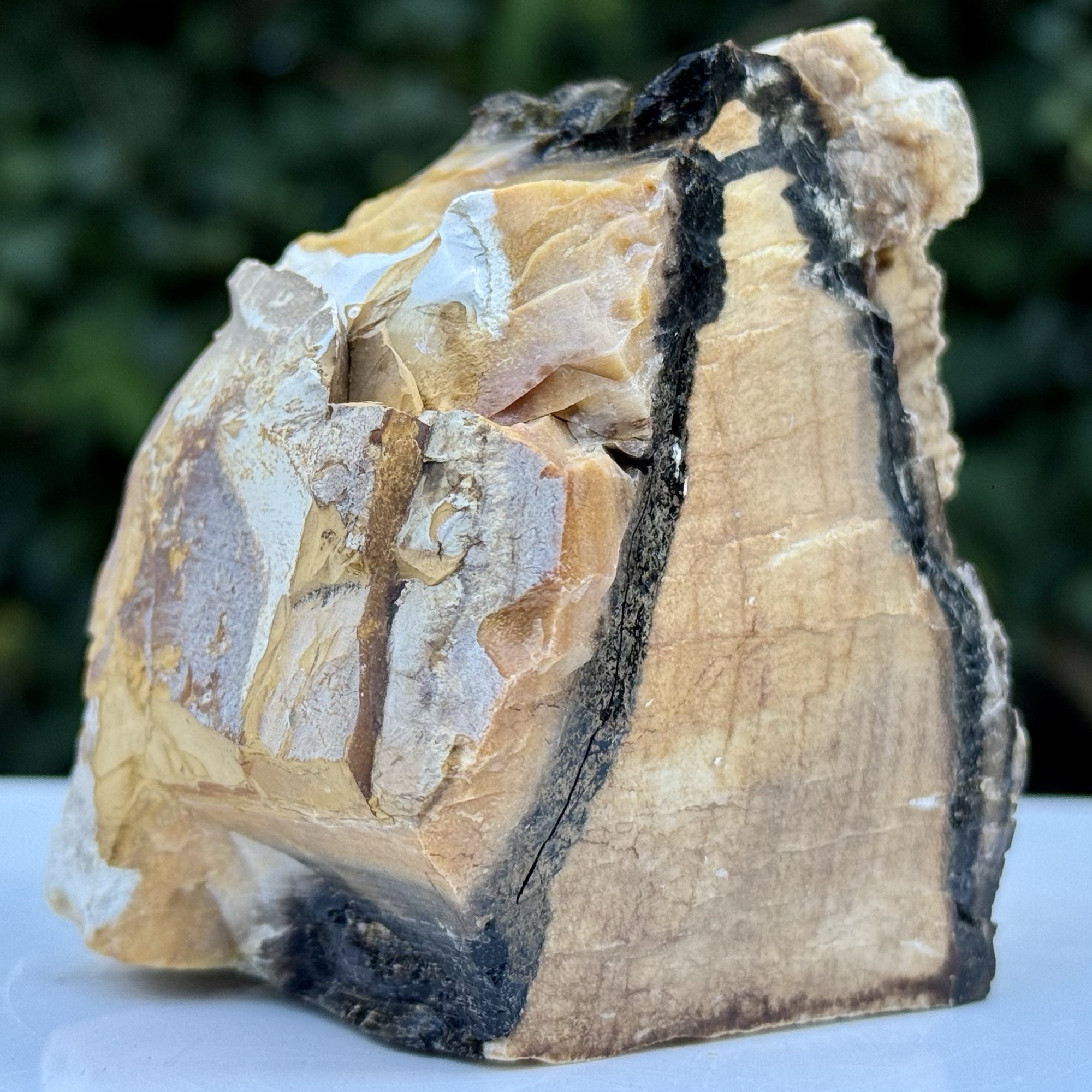
specimen displaying a natural formation of Black Tourmaline crystals within their host rock matrix. The specimen showcases the distinctive dark colour and elongated crystal structure typical of Schorl, the black variety of the tourmaline mineral group.This piece presents a natural layer of tourmaline crystals embedded within the surrounding rock, providing an excellent example of how the mineral forms in its original geological environment. The listing photographs show the actual specimen you will receive, allowing you to clearly examine the crystal arrangement, natural matrix, and overall appearance of the mineral.Each specimen includes a Certificate of Authenticity lifetime guarantee generic card, confirming that the crystal is a genuine natural mineral. For exact dimensions and proportions, please refer to the photographs provided in the listing. MINERAL SPECIES AND SCIENTIFIC CLASSIFICATIONBlack Tourmaline belongs to the tourmaline group of complex boron silicate minerals, a diverse mineral family known for its varied chemical compositions and distinctive crystal habits. The black variety is classified as Schorl, the most common species within the group.Key mineralogical details include:
• Mineral Species: Tourmaline
• Variety: Schorl (Black Tourmaline)
• Chemical Formula: NaFe₃Al₆(BO₃)₃Si₆O₁₈(OH)₄
• Mineral Group: Boron silicate
• Crystal System: Trigonal
• Mohs Hardness: 7–7.5
• Lustre: Vitreous to slightly resinous
• Transparency: OpaqueTourmaline crystals typically form long prismatic crystals with strong vertical striations, a distinctive feature that helps identify the mineral in natural specimens. GEOLOGICAL FORMATION OF BLACK TOURMALINEBlack Tourmaline forms primarily in granite pegmatites, hydrothermal veins, and certain metamorphic rock environments. Pegmatites are coarse-grained igneous rocks that develop during the final stages of magma cooling. During this stage, mineral-rich fluids become concentrated and begin forming crystals within cavities and fractures in the rock.These fluids contain elements such as boron, iron, aluminium, sodium, and silica, which combine under suitable conditions to produce tourmaline crystals. As the magma cools slowly, the crystals have time to develop into well-defined prismatic structures.In pegmatite environments, Black Tourmaline commonly occurs alongside other minerals including:
• Quartz
• Feldspar
• Muscovite mica
• Lepidolite
• GarnetThe presence of these minerals together reflects the complex chemical environment within pegmatite formations. BRAZILIAN TOURMALINE DEPOSITSBrazil is one of the world’s most significant sources of tourmaline minerals. The country’s extensive pegmatite deposits, particularly in regions such as Minas Gerais, are known for producing a wide variety of tourmaline specimens.These deposits formed hundreds of millions of years ago as granite magmas crystallised beneath the Earth’s surface. Over geological time, erosion and mining activities have exposed pegmatite bodies containing tourmaline crystals embedded within host rock.Brazilian Black Tourmaline is especially well known for its deep black colour, strong crystal formation, and association with quartz-rich pegmatite deposits. NATURAL CRYSTAL STRUCTURE AND MATRIX FORMATIONThis specimen displays a natural layer of tourmaline crystals within the host matrix, providing a clear example of how the mineral occurs in nature before extraction or cutting.Typical features of such specimens include:
• Elongated prismatic crystal growth
• Parallel vertical striations on crystal surfaces
• Dense black mineral colour
• Natural association with surrounding rock matrix
• Multiple crystals forming a layered structureMatrix specimens are often highly valued by mineral collectors because they show the mineral in its original geological context rather than as a separated crystal. AUTHENTICITY AND SPECIMEN DETAILSThis item is a genuine natural Black Tourmaline mineral specimen from Brazil.Included with the specimen:
• Natural Black Tourmaline crystal layer in matrix
• Origin: Brazil
• Carefully selected mineral specimen
• Certificate of Authenticity lifetime guarantee generic cardThe photographs in the listing show the exact specimen you will receive, ensuring full transparency regarding the appearance and natural features of the mineral.Because this is a natural geological specimen, variations in crystal size, matrix texture, and surface structure are normal and reflect the conditions in which the mineral formed. MINERAL COLLECTING AND DISPLAYBlack Tourmaline is widely appreciated by mineral collectors for its distinctive crystal habit, geological significance, and strong visual contrast against host rock. Specimens that retain their natural matrix are particularly valued because they demonstrate how the mineral formed within its geological environment.This Brazilian Black Tourmaline specimen is suitable for:
• Mineral and crystal collections
• Geological study displays
• Natural history collections
• Educational mineral sets
• Unique gifts for mineral enthusiastsIn some traditions, Black Tourmaline has been traditionally associated with symbolic or spiritual meanings, and natural specimens are sometimes displayed for their visual and cultural significance.With its natural layered crystal structure and authentic geological context, this Natural Black Tourmaline Layer from Brazil offers an excellent example of tourmaline formation and a distinctive addition to any mineral collection or display.
specimen displaying a natural formation of Black Tourmaline crystals within their host rock matrix. The specimen showcases the distinctive dark colour and elongated crystal structure typical of Schorl, the black variety of the tourmaline mineral group.This piece presents a natural layer of tourmaline crystals embedded within the surrounding rock, providing an excellent example of how the mineral forms in its original geological environment. The listing photographs show the actual specimen you will receive, allowing you to clearly examine the crystal arrangement, natural matrix, and overall appearance of the mineral.Each specimen includes a Certificate of Authenticity lifetime guarantee generic card, confirming that the crystal is a genuine natural mineral. For exact dimensions and proportions, please refer to the photographs provided in the listing. MINERAL SPECIES AND SCIENTIFIC CLASSIFICATIONBlack Tourmaline belongs to the tourmaline group of complex boron silicate minerals, a diverse mineral family known for its varied chemical compositions and distinctive crystal habits. The black variety is classified as Schorl, the most common species within the group.Key mineralogical details include:
• Mineral Species: Tourmaline
• Variety: Schorl (Black Tourmaline)
• Chemical Formula: NaFe₃Al₆(BO₃)₃Si₆O₁₈(OH)₄
• Mineral Group: Boron silicate
• Crystal System: Trigonal
• Mohs Hardness: 7–7.5
• Lustre: Vitreous to slightly resinous
• Transparency: OpaqueTourmaline crystals typically form long prismatic crystals with strong vertical striations, a distinctive feature that helps identify the mineral in natural specimens. GEOLOGICAL FORMATION OF BLACK TOURMALINEBlack Tourmaline forms primarily in granite pegmatites, hydrothermal veins, and certain metamorphic rock environments. Pegmatites are coarse-grained igneous rocks that develop during the final stages of magma cooling. During this stage, mineral-rich fluids become concentrated and begin forming crystals within cavities and fractures in the rock.These fluids contain elements such as boron, iron, aluminium, sodium, and silica, which combine under suitable conditions to produce tourmaline crystals. As the magma cools slowly, the crystals have time to develop into well-defined prismatic structures.In pegmatite environments, Black Tourmaline commonly occurs alongside other minerals including:
• Quartz
• Feldspar
• Muscovite mica
• Lepidolite
• GarnetThe presence of these minerals together reflects the complex chemical environment within pegmatite formations. BRAZILIAN TOURMALINE DEPOSITSBrazil is one of the world’s most significant sources of tourmaline minerals. The country’s extensive pegmatite deposits, particularly in regions such as Minas Gerais, are known for producing a wide variety of tourmaline specimens.These deposits formed hundreds of millions of years ago as granite magmas crystallised beneath the Earth’s surface. Over geological time, erosion and mining activities have exposed pegmatite bodies containing tourmaline crystals embedded within host rock.Brazilian Black Tourmaline is especially well known for its deep black colour, strong crystal formation, and association with quartz-rich pegmatite deposits. NATURAL CRYSTAL STRUCTURE AND MATRIX FORMATIONThis specimen displays a natural layer of tourmaline crystals within the host matrix, providing a clear example of how the mineral occurs in nature before extraction or cutting.Typical features of such specimens include:
• Elongated prismatic crystal growth
• Parallel vertical striations on crystal surfaces
• Dense black mineral colour
• Natural association with surrounding rock matrix
• Multiple crystals forming a layered structureMatrix specimens are often highly valued by mineral collectors because they show the mineral in its original geological context rather than as a separated crystal. AUTHENTICITY AND SPECIMEN DETAILSThis item is a genuine natural Black Tourmaline mineral specimen from Brazil.Included with the specimen:
• Natural Black Tourmaline crystal layer in matrix
• Origin: Brazil
• Carefully selected mineral specimen
• Certificate of Authenticity lifetime guarantee generic cardThe photographs in the listing show the exact specimen you will receive, ensuring full transparency regarding the appearance and natural features of the mineral.Because this is a natural geological specimen, variations in crystal size, matrix texture, and surface structure are normal and reflect the conditions in which the mineral formed. MINERAL COLLECTING AND DISPLAYBlack Tourmaline is widely appreciated by mineral collectors for its distinctive crystal habit, geological significance, and strong visual contrast against host rock. Specimens that retain their natural matrix are particularly valued because they demonstrate how the mineral formed within its geological environment.This Brazilian Black Tourmaline specimen is suitable for:
• Mineral and crystal collections
• Geological study displays
• Natural history collections
• Educational mineral sets
• Unique gifts for mineral enthusiastsIn some traditions, Black Tourmaline has been traditionally associated with symbolic or spiritual meanings, and natural specimens are sometimes displayed for their visual and cultural significance.With its natural layered crystal structure and authentic geological context, this Natural Black Tourmaline Layer from Brazil offers an excellent example of tourmaline formation and a distinctive addition to any mineral collection or display.
Other Products