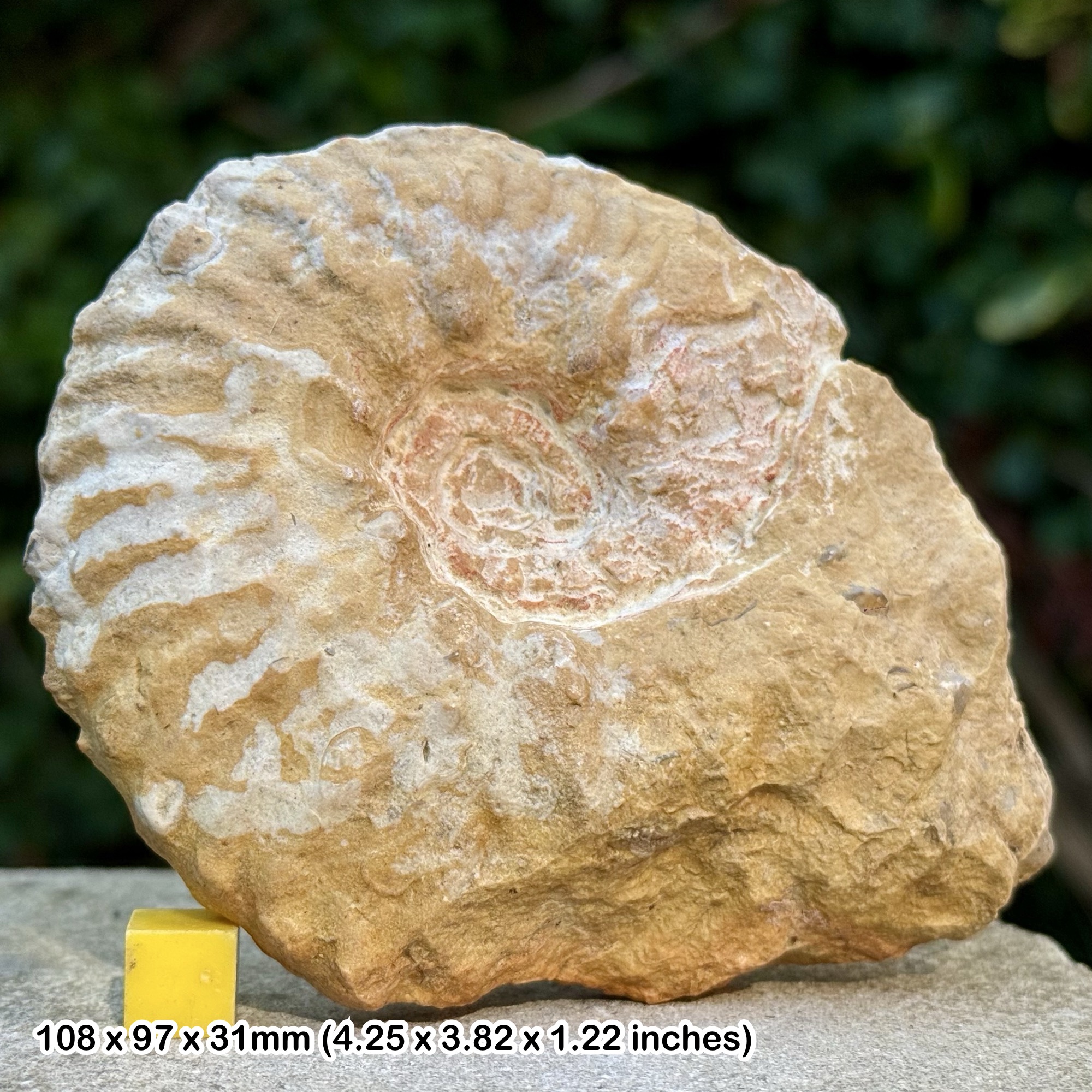
Fossil Ammonite Dimorphoplites biplicatus Upper Aptian Cretaceous France COA
£ 27.00
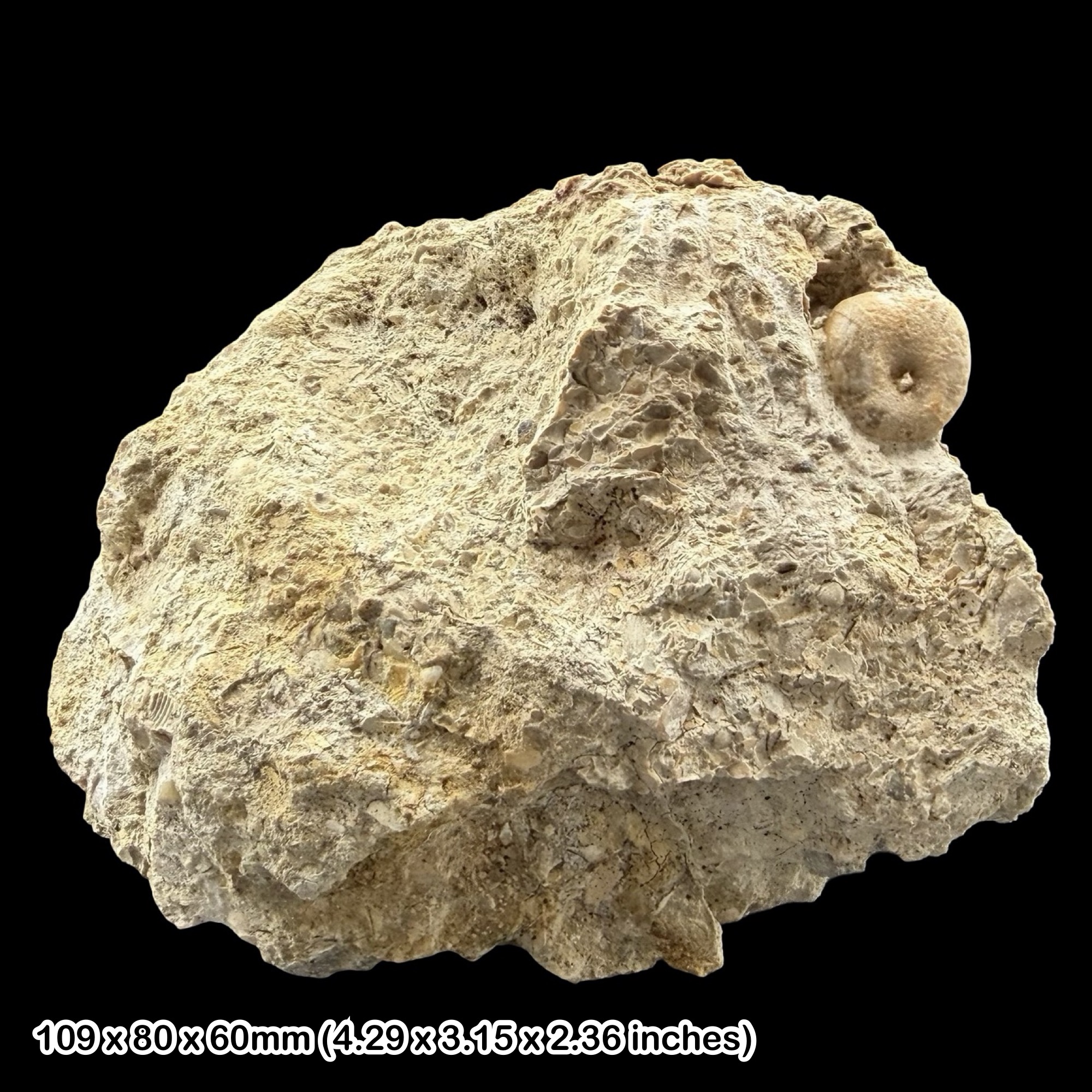
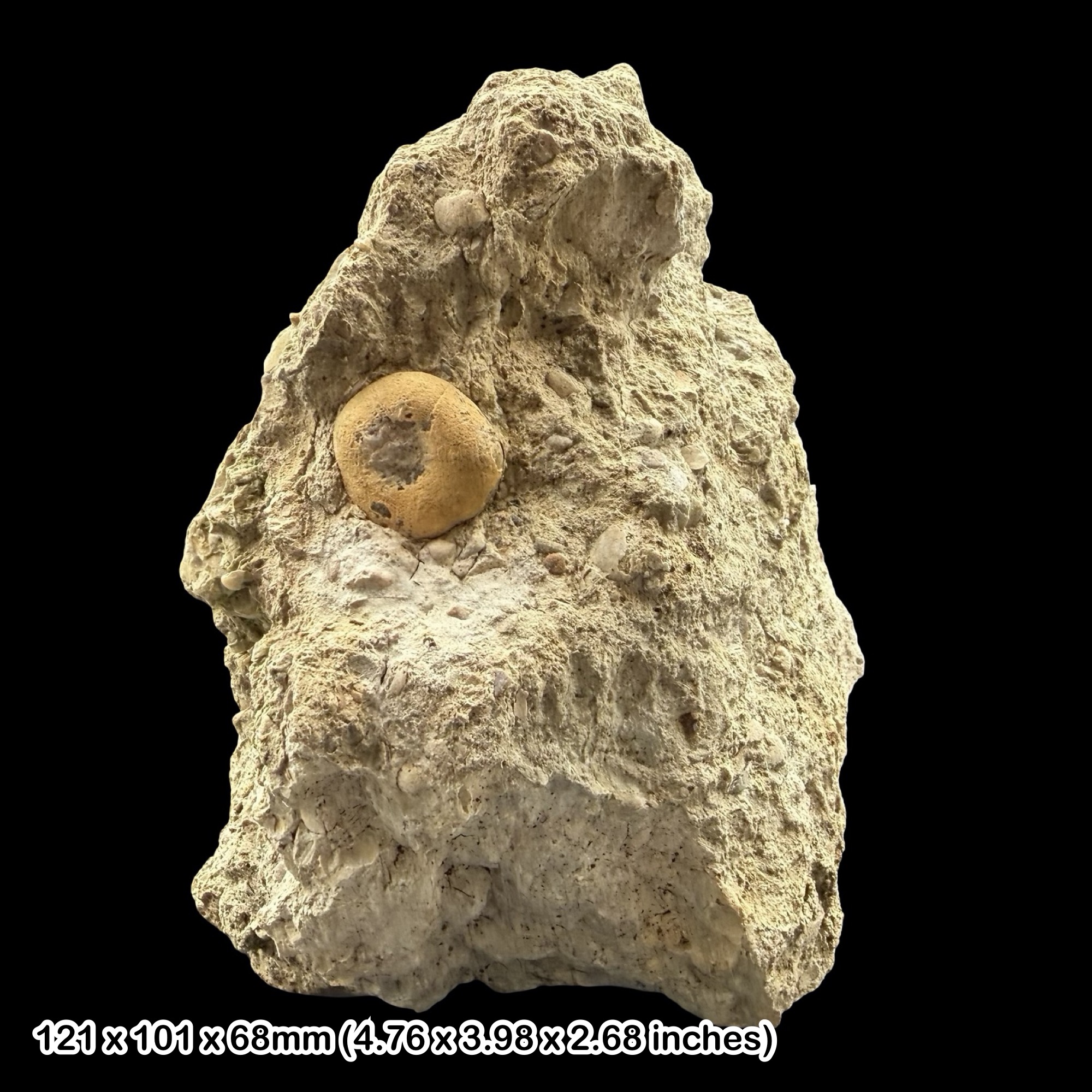
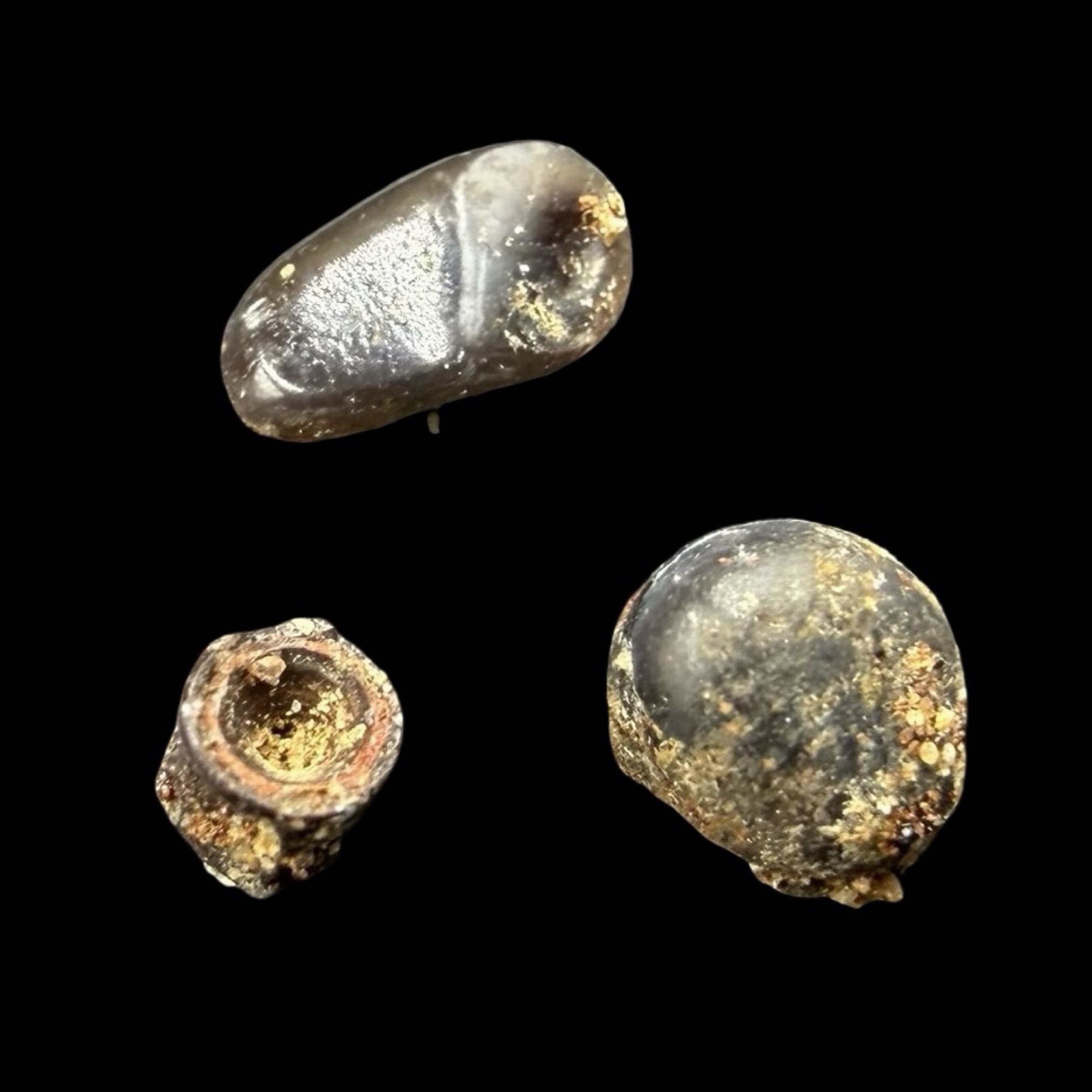
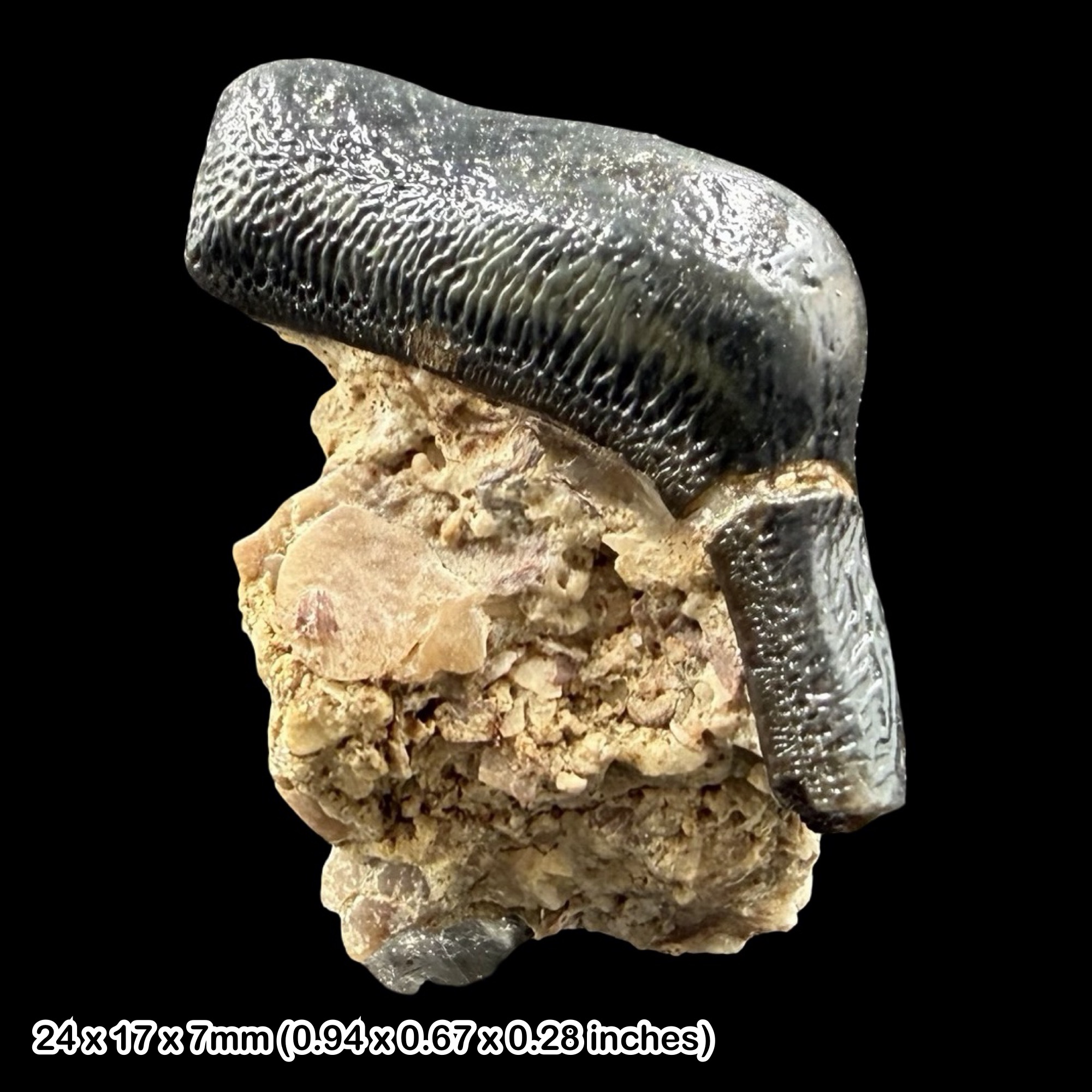
AUTHENTIC FOSSIL AMMONITE – DIMORPHOPLITES BIPLICATUSThis specimen is a rare and scientifically important fossil ammonite,
Dimorphoplites biplicatus, from the Upper Aptian stage of the Early Cretaceous, approximately 120–113 million years ago. Found at Thorne, France, this ammonite is an excellent representation of the faunal diversity that thrived in the warm, shallow seas covering Europe during this time. The fossil offered here is the exact piece shown in the photographs, carefully selected for its preservation, and it comes complete with a Certificate of Authenticity. GEOLOGICAL BACKGROUND – UPPER APTIAN, CRETACEOUS OF FRANCEThe Aptian stage marks a key interval in Earth’s history, characterised by rising sea levels, global climatic shifts, and significant evolutionary developments in marine life. In the Upper Aptian, European regions such as France were dominated by broad epicontinental seas, depositing marls, clays, and limestones rich in ammonites, bivalves, and other marine fossils.The Thorne locality is well-known for yielding finely preserved specimens that contribute to stratigraphic studies and help refine the zonal framework of the Cretaceous. Ammonites such as Dimorphoplites biplicatus are used as biostratigraphic index fossils, aiding palaeontologists in correlating rock layers across wide geographic regions. SCIENTIFIC CLASSIFICATION
• Kingdom: Animalia
• Phylum: Mollusca
• Class: Cephalopoda
• Order: Ammonitida
• Superfamily: Deshayesitoidea
• Family: Deshayesitidae
• Genus: Dimorphoplites
• Species: Dimorphoplites biplicatusThis placement situates the species within the Deshayesitidae, a family of Cretaceous ammonites notable for their distinctive ribbing and importance in defining Aptian ammonite zones. MORPHOLOGICAL FEATURESThis fossil ammonite exhibits several diagnostic characteristics of the species:
• Compressed, planispiral shell with moderately involute coiling.
• Strongly bifurcating ribs, a key feature that gives the species its name “biplicatus.”
• Pronounced ventrolateral tubercles, adding strength to the shell.
• Fine keel along the venter, typical of Aptian ammonites.
• Well-preserved suture lines, providing an intricate view of ammonite shell architecture.These features not only help in species identification but also make the specimen visually striking and scientifically valuable. PALAEOECOLOGICAL INSIGHTSDimorphoplites biplicatus lived as an active, nektonic carnivore, capable of swift movement in the open seas. Its chambered shell allowed buoyancy regulation, enabling it to hunt for small fish, crustaceans, and other molluscs. The robust ribbing and tuberculation are thought to have strengthened the shell against water pressure and predators.The Upper Aptian seas in which this ammonite thrived supported a diverse marine ecosystem, including other ammonites, inoceramid bivalves, echinoids, and marine reptiles. Fossils from this stage help reconstruct ancient ecosystems and document evolutionary changes during a dynamic interval of the Cretaceous. COLLECTING AND DISPLAY VALUEThis specimen is not only a scientifically important ammonite fossil but also a beautiful natural display piece. Its ribbing and structural details capture the elegance of ammonite morphology, making it a desirable acquisition for collectors, educators, or museums. The fossil serves as an excellent teaching tool for illustrating ammonite evolution and Cretaceous marine life. PROVENANCE AND GUARANTEE
• Species: Dimorphoplites biplicatus
• Age: Early Cretaceous, Upper Aptian (approx. 120–113 million years old)
• Locality: Thorne, France
• Geological Context: Marine deposits of the Aptian stageAll of our fossils are 100% genuine specimens and include a Certificate of Authenticity. The specimen shown in the photos is the exact ammonite you will receive.This rare Dimorphoplites biplicatus ammonite from Thorne, France offers a unique opportunity to own a piece of Early Cretaceous history, combining scientific importance with timeless natural beauty.
Dimorphoplites biplicatus, from the Upper Aptian stage of the Early Cretaceous, approximately 120–113 million years ago. Found at Thorne, France, this ammonite is an excellent representation of the faunal diversity that thrived in the warm, shallow seas covering Europe during this time. The fossil offered here is the exact piece shown in the photographs, carefully selected for its preservation, and it comes complete with a Certificate of Authenticity. GEOLOGICAL BACKGROUND – UPPER APTIAN, CRETACEOUS OF FRANCEThe Aptian stage marks a key interval in Earth’s history, characterised by rising sea levels, global climatic shifts, and significant evolutionary developments in marine life. In the Upper Aptian, European regions such as France were dominated by broad epicontinental seas, depositing marls, clays, and limestones rich in ammonites, bivalves, and other marine fossils.The Thorne locality is well-known for yielding finely preserved specimens that contribute to stratigraphic studies and help refine the zonal framework of the Cretaceous. Ammonites such as Dimorphoplites biplicatus are used as biostratigraphic index fossils, aiding palaeontologists in correlating rock layers across wide geographic regions. SCIENTIFIC CLASSIFICATION
• Kingdom: Animalia
• Phylum: Mollusca
• Class: Cephalopoda
• Order: Ammonitida
• Superfamily: Deshayesitoidea
• Family: Deshayesitidae
• Genus: Dimorphoplites
• Species: Dimorphoplites biplicatusThis placement situates the species within the Deshayesitidae, a family of Cretaceous ammonites notable for their distinctive ribbing and importance in defining Aptian ammonite zones. MORPHOLOGICAL FEATURESThis fossil ammonite exhibits several diagnostic characteristics of the species:
• Compressed, planispiral shell with moderately involute coiling.
• Strongly bifurcating ribs, a key feature that gives the species its name “biplicatus.”
• Pronounced ventrolateral tubercles, adding strength to the shell.
• Fine keel along the venter, typical of Aptian ammonites.
• Well-preserved suture lines, providing an intricate view of ammonite shell architecture.These features not only help in species identification but also make the specimen visually striking and scientifically valuable. PALAEOECOLOGICAL INSIGHTSDimorphoplites biplicatus lived as an active, nektonic carnivore, capable of swift movement in the open seas. Its chambered shell allowed buoyancy regulation, enabling it to hunt for small fish, crustaceans, and other molluscs. The robust ribbing and tuberculation are thought to have strengthened the shell against water pressure and predators.The Upper Aptian seas in which this ammonite thrived supported a diverse marine ecosystem, including other ammonites, inoceramid bivalves, echinoids, and marine reptiles. Fossils from this stage help reconstruct ancient ecosystems and document evolutionary changes during a dynamic interval of the Cretaceous. COLLECTING AND DISPLAY VALUEThis specimen is not only a scientifically important ammonite fossil but also a beautiful natural display piece. Its ribbing and structural details capture the elegance of ammonite morphology, making it a desirable acquisition for collectors, educators, or museums. The fossil serves as an excellent teaching tool for illustrating ammonite evolution and Cretaceous marine life. PROVENANCE AND GUARANTEE
• Species: Dimorphoplites biplicatus
• Age: Early Cretaceous, Upper Aptian (approx. 120–113 million years old)
• Locality: Thorne, France
• Geological Context: Marine deposits of the Aptian stageAll of our fossils are 100% genuine specimens and include a Certificate of Authenticity. The specimen shown in the photos is the exact ammonite you will receive.This rare Dimorphoplites biplicatus ammonite from Thorne, France offers a unique opportunity to own a piece of Early Cretaceous history, combining scientific importance with timeless natural beauty.
Other Products