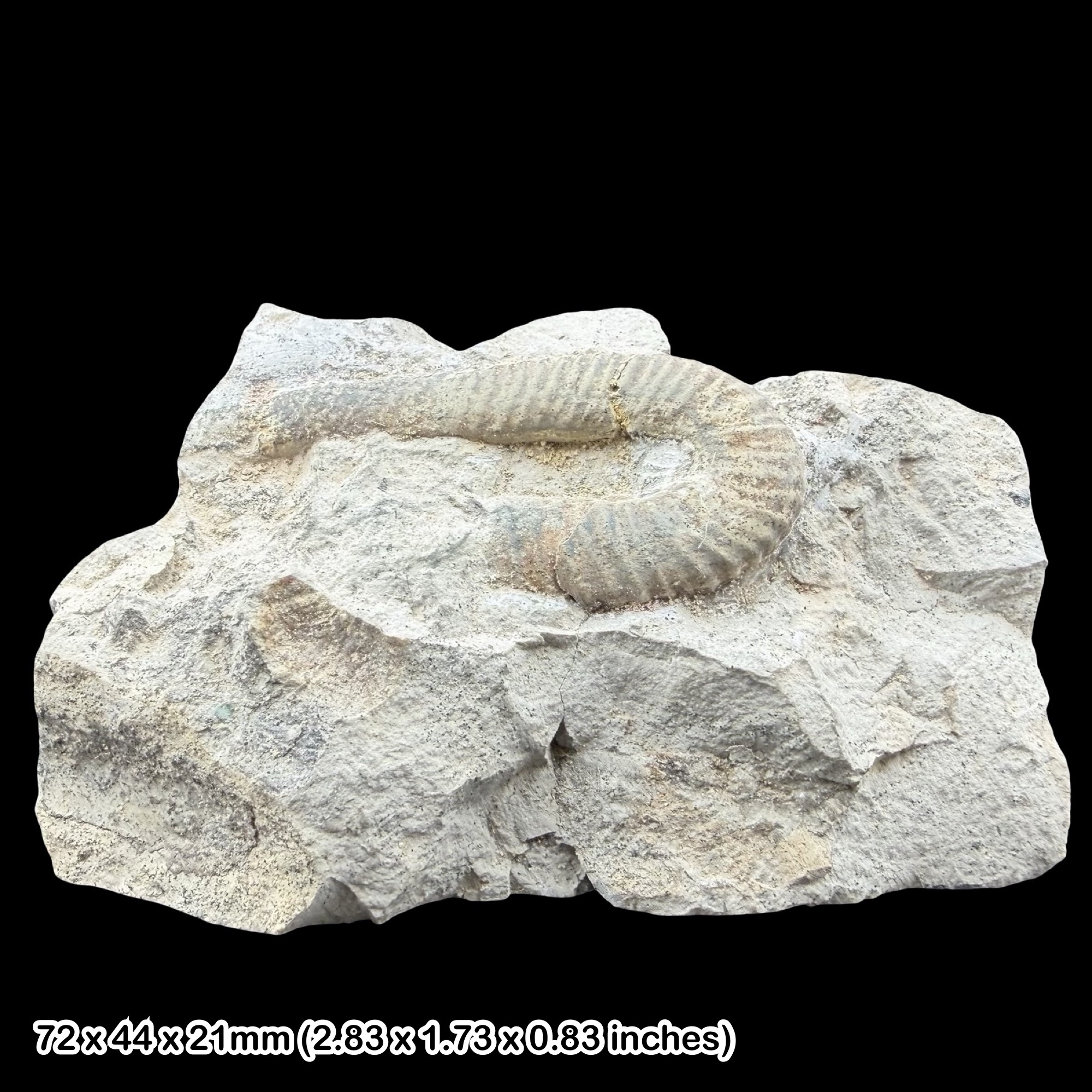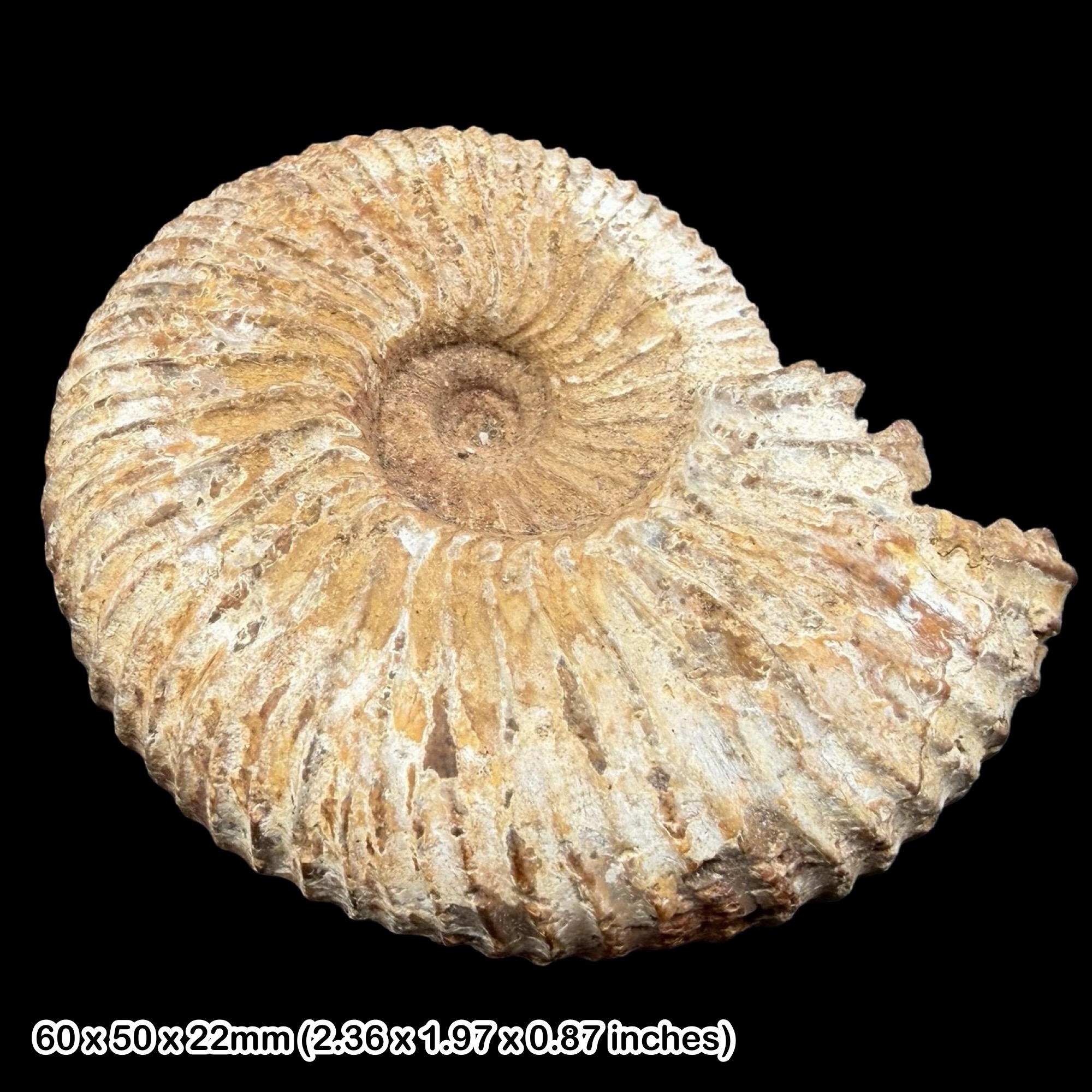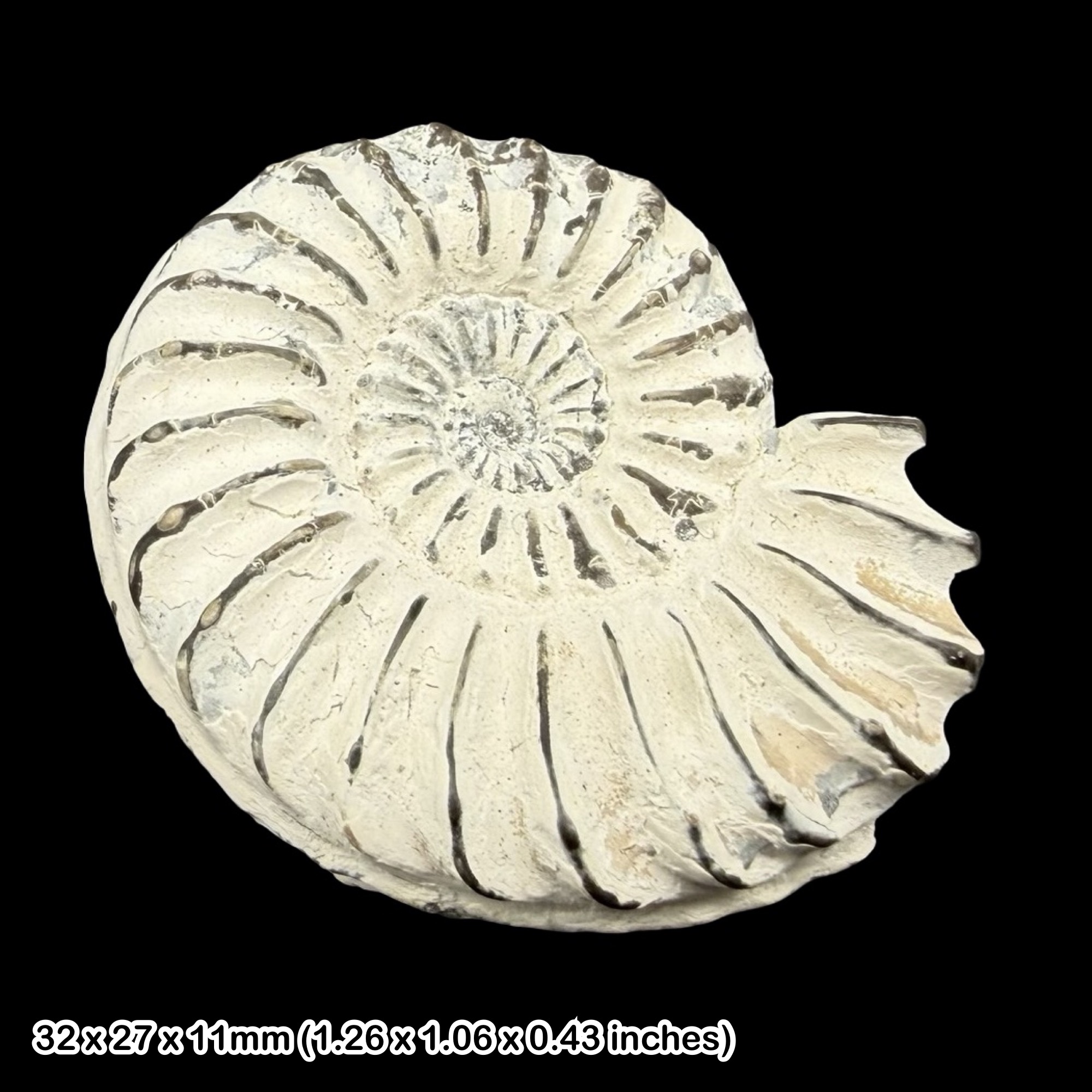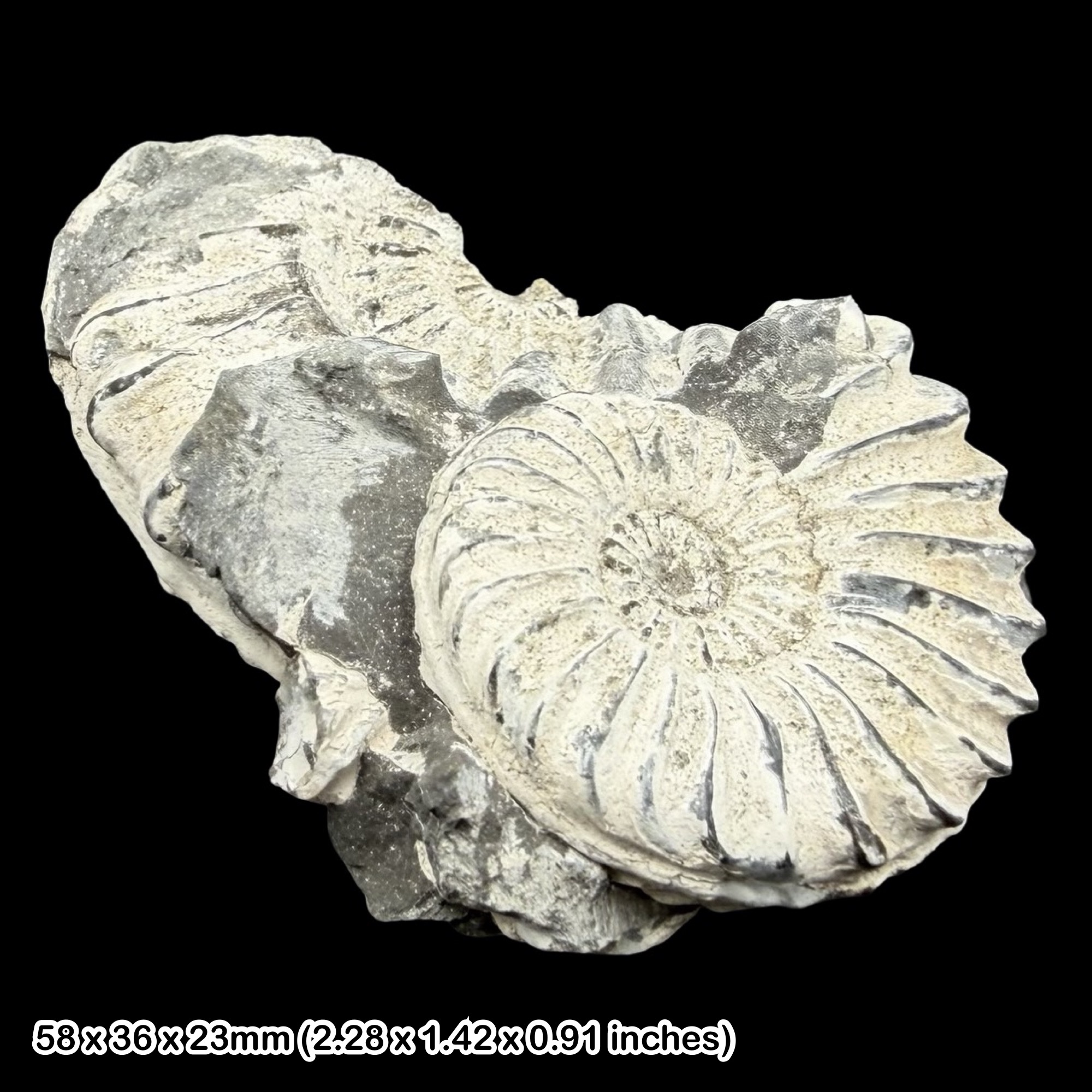
Rare Acrodus Hybodont Shark Tooth Fossil Watton Cliff Dorset Jurassic COA Genuine Forest Marble Formation Bathonian UK Specimen
£ 96.00
GENUINE RARE ACRODUS HYBODONT TOOTH FOSSILThis listing is for a genuine rare Acrodus hybodont tooth fossil from the Forest
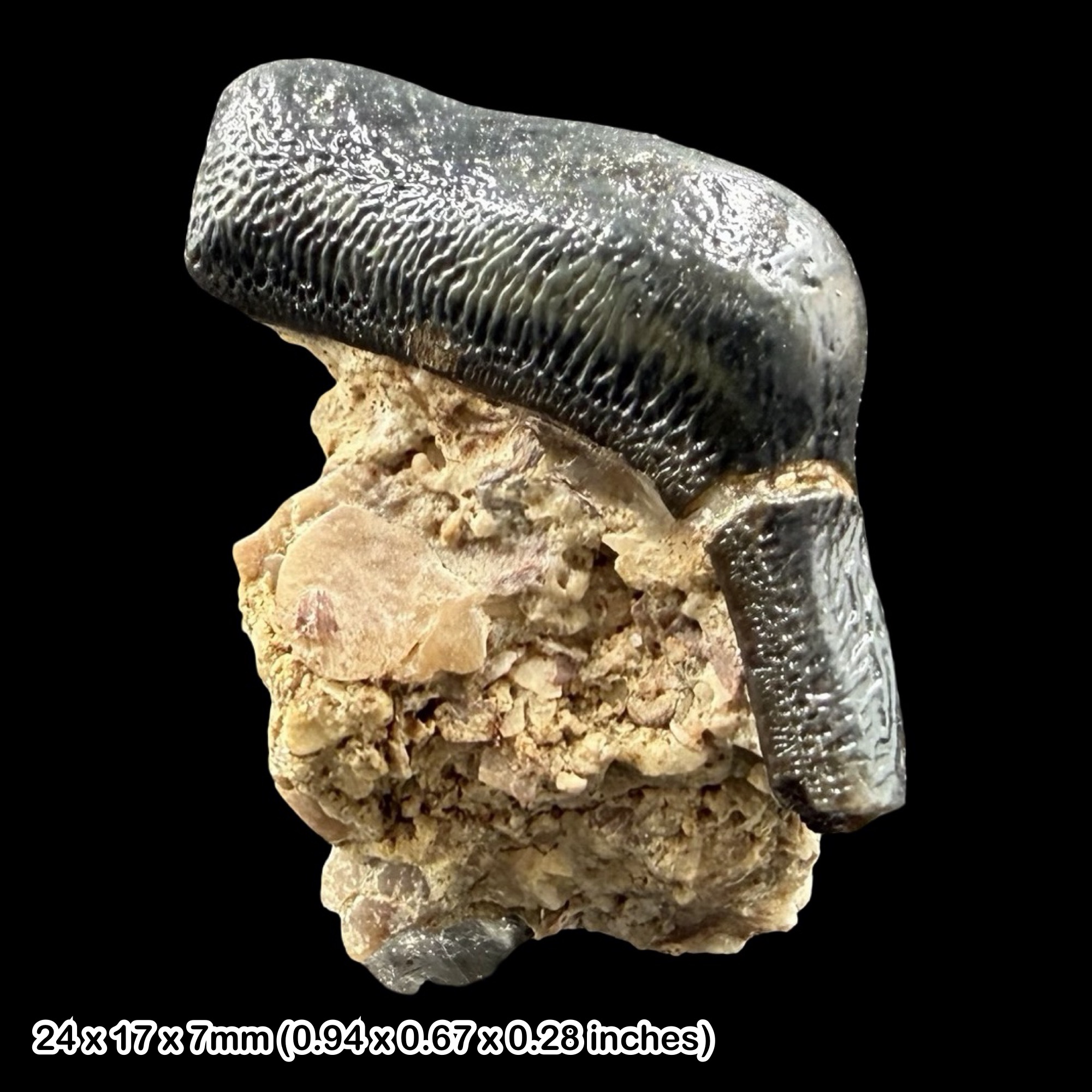
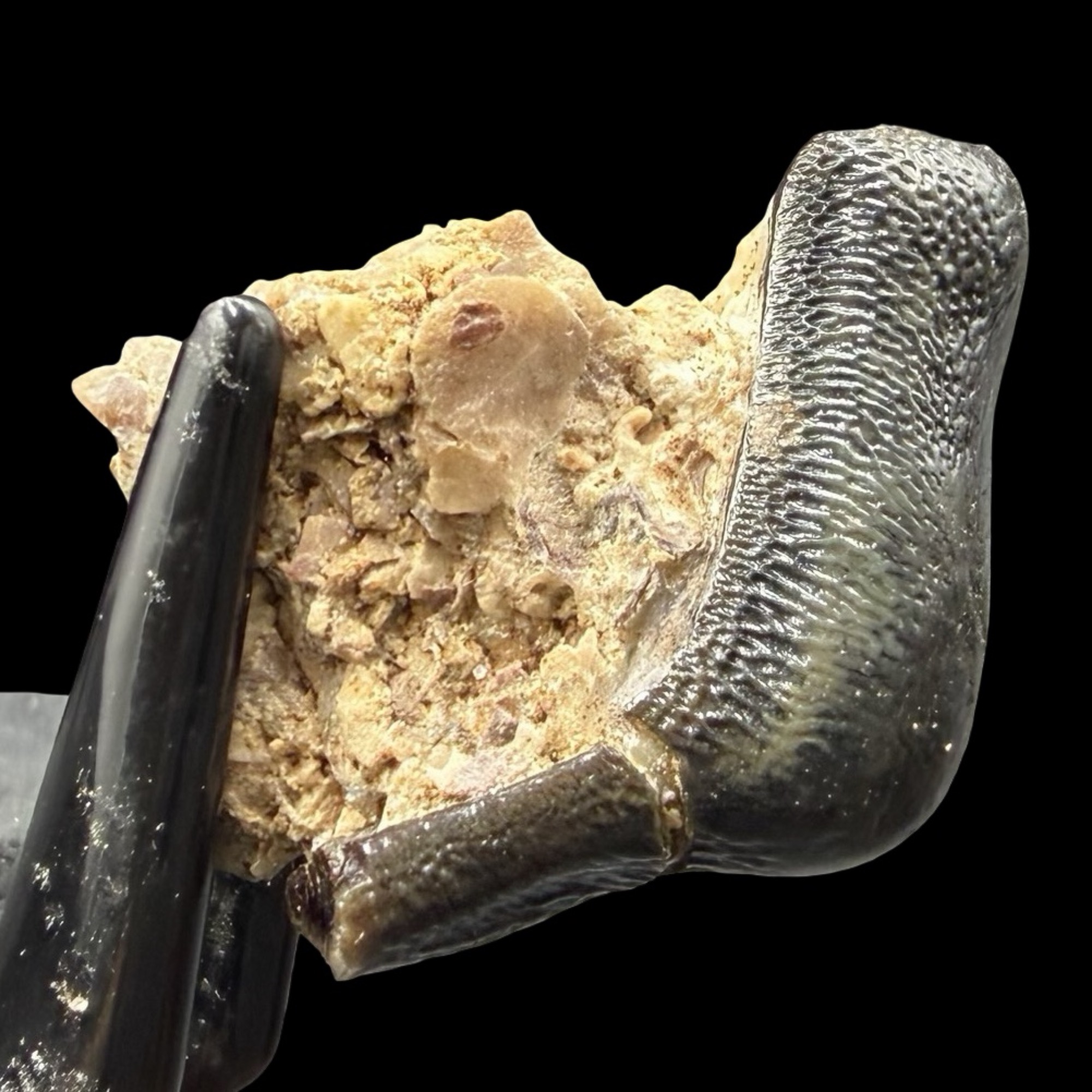
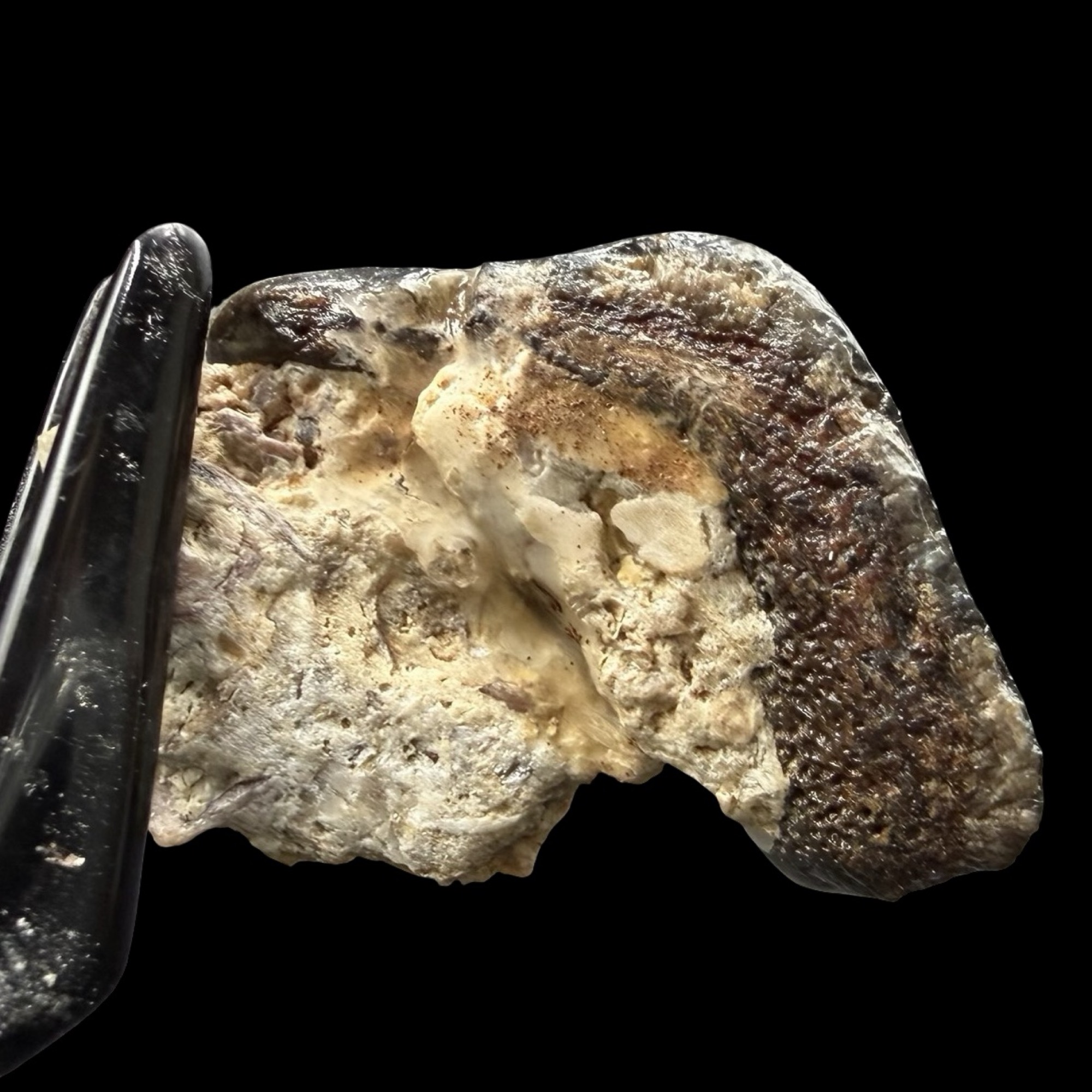
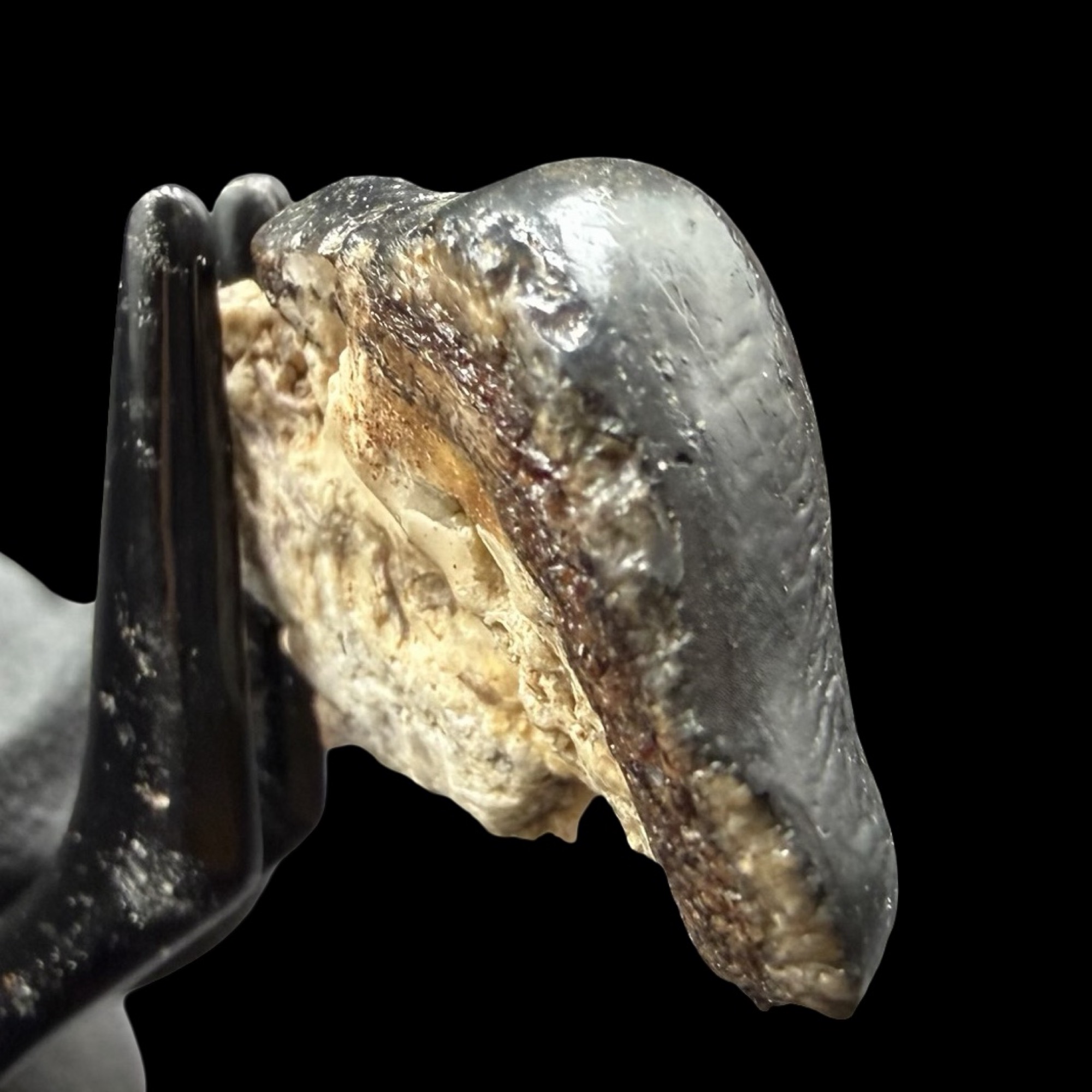
Marble Formation, Bathonian stage of the Jurassic, collected from Watton Cliff, Dorset, UK. This carefully chosen fossil specimen includes a Certificate of Authenticity lifetime guarantee generic card. The photo shows the actual fossil you will receive, allowing you to view the natural tooth form, preservation, surface detail, matrix and overall display character of this individual piece before purchase. Full sizing details can be seen in the photo.Your specimen was discovered by our own team members, Alister and Alison, and has been cleaned, prepped and treated by Alison. This gives the fossil a clear collecting history, from discovery through to careful preparation and presentation, making it an excellent choice for collectors who value genuine provenance and authentic British Jurassic fossils. ACRODUS HYBODONT SHARK TOOTH INFORMATIONAcrodus is an extinct genus of hybodont shark, a group of ancient shark-like cartilaginous fish that lived for a very long span of geological time and were especially successful during the Mesozoic Era. Hybodonts were not modern sharks, but they occupied similar aquatic roles and are highly collectable because their teeth, fin spines and occasional skeletal remains provide a fascinating record of Jurassic vertebrate life.Acrodus teeth are particularly distinctive. Unlike the sharp cutting teeth of many modern predatory sharks, Acrodus teeth are generally broad, low-crowned and adapted for crushing. This type of dentition suggests feeding on hard-shelled prey such as molluscs, crustaceans and other small shelly animals. Many Acrodus teeth show a flattened or gently domed crown, with natural ridges, grooves or ornament across the surface depending on preservation. These features make them especially interesting to collectors of fossil fish, shark teeth and Jurassic marine reptiles and fish ecosystems.The word “hybodont” refers to a major group of extinct cartilaginous fishes that had distinctive tooth forms and often strong fin spines. Acrodus is one of the classic hybodont genera and is valued because its teeth show a very different feeding strategy from the slicing teeth often associated with sharks. A rare Acrodus tooth from Dorset is therefore a desirable fossil for anyone interested in ancient fish evolution, Jurassic predators and shell-crushing marine animals. FOREST MARBLE FORMATION GEOLOGYThis fossil comes from the Forest Marble Formation, a Middle Jurassic rock unit known for its shelly limestones, mudstones and mixed sedimentary beds. The formation was deposited in shallow marine, coastal and lagoonal environments, where changing water conditions allowed shell beds, fossil fragments and marine remains to accumulate. These settings supported a diverse ecosystem including fish, bivalves, brachiopods, gastropods, crinoids, echinoids and other marine invertebrates.An Acrodus hybodont tooth from the Forest Marble Formation is especially appealing because it represents the vertebrate life of this ancient environment. While many Forest Marble fossils are shell fragments or invertebrate remains, a shark tooth adds an important predator or durophagous feeder element to the fossil record. It helps illustrate the wider Jurassic ecosystem, from seabed shell communities to the fish that fed among them. BATHONIAN JURASSIC AGEThis specimen dates from the Bathonian stage of the Middle Jurassic, approximately 168 to 166 million years ago. During this time, parts of what is now Dorset were covered by shallow seas and coastal marine environments. These waters supported abundant shelly life, which would have provided suitable feeding opportunities for crushing-toothed fish such as Acrodus.Bathonian fossils are highly collectable because they represent a distinct Middle Jurassic interval, different from the more familiar Lower Jurassic ammonites of Lyme Regis and Charmouth. A Bathonian Acrodus tooth offers a compact but scientifically interesting glimpse into Jurassic vertebrate palaeontology, making it a strong addition to a varied fossil collection. WATTON CLIFF, DORSET FOSSIL LOCALITYWatton Cliff in Dorset is a recognised fossil locality associated with the Forest Marble Formation and the wider Jurassic geology of southern England. Fossils from this area are valued for their clear British provenance and their link to a classic Middle Jurassic sedimentary unit. Dorset is internationally known for its fossil heritage, and Watton Cliff material offers collectors an excellent opportunity to own a genuine fossil from a notable UK locality.A rare Acrodus hybodont tooth from Watton Cliff is suitable for collections focused on British fossils, Jurassic fish fossils, shark teeth, vertebrate palaeontology, Dorset geology and Forest Marble Formation specimens. Its rarity, named genus, Bathonian age and team-discovered provenance make it a desirable display and study piece. PREPARATION, AUTHENTICITY AND DISPLAY APPEALThis fossil has been cleaned, prepped and treated by Alison to help present the specimen clearly while retaining its natural geological character. Careful preparation is important with fossil teeth, as it helps reveal the tooth shape, surface texture and surrounding matrix while preserving the authentic appearance of the piece.The specimen is suitable for fossil collectors, shark tooth enthusiasts, fossil fish collectors, geology students, natural history displays, educational collections, cabinet displays or as a distinctive gift for someone interested in British palaeontology. It is supplied with a Certificate of Authenticity lifetime guarantee generic card, confirming that it is a genuine fossil specimen. The fossil shown in the photo is the exact piece you will receive.
Marble Formation, Bathonian stage of the Jurassic, collected from Watton Cliff, Dorset, UK. This carefully chosen fossil specimen includes a Certificate of Authenticity lifetime guarantee generic card. The photo shows the actual fossil you will receive, allowing you to view the natural tooth form, preservation, surface detail, matrix and overall display character of this individual piece before purchase. Full sizing details can be seen in the photo.Your specimen was discovered by our own team members, Alister and Alison, and has been cleaned, prepped and treated by Alison. This gives the fossil a clear collecting history, from discovery through to careful preparation and presentation, making it an excellent choice for collectors who value genuine provenance and authentic British Jurassic fossils. ACRODUS HYBODONT SHARK TOOTH INFORMATIONAcrodus is an extinct genus of hybodont shark, a group of ancient shark-like cartilaginous fish that lived for a very long span of geological time and were especially successful during the Mesozoic Era. Hybodonts were not modern sharks, but they occupied similar aquatic roles and are highly collectable because their teeth, fin spines and occasional skeletal remains provide a fascinating record of Jurassic vertebrate life.Acrodus teeth are particularly distinctive. Unlike the sharp cutting teeth of many modern predatory sharks, Acrodus teeth are generally broad, low-crowned and adapted for crushing. This type of dentition suggests feeding on hard-shelled prey such as molluscs, crustaceans and other small shelly animals. Many Acrodus teeth show a flattened or gently domed crown, with natural ridges, grooves or ornament across the surface depending on preservation. These features make them especially interesting to collectors of fossil fish, shark teeth and Jurassic marine reptiles and fish ecosystems.The word “hybodont” refers to a major group of extinct cartilaginous fishes that had distinctive tooth forms and often strong fin spines. Acrodus is one of the classic hybodont genera and is valued because its teeth show a very different feeding strategy from the slicing teeth often associated with sharks. A rare Acrodus tooth from Dorset is therefore a desirable fossil for anyone interested in ancient fish evolution, Jurassic predators and shell-crushing marine animals. FOREST MARBLE FORMATION GEOLOGYThis fossil comes from the Forest Marble Formation, a Middle Jurassic rock unit known for its shelly limestones, mudstones and mixed sedimentary beds. The formation was deposited in shallow marine, coastal and lagoonal environments, where changing water conditions allowed shell beds, fossil fragments and marine remains to accumulate. These settings supported a diverse ecosystem including fish, bivalves, brachiopods, gastropods, crinoids, echinoids and other marine invertebrates.An Acrodus hybodont tooth from the Forest Marble Formation is especially appealing because it represents the vertebrate life of this ancient environment. While many Forest Marble fossils are shell fragments or invertebrate remains, a shark tooth adds an important predator or durophagous feeder element to the fossil record. It helps illustrate the wider Jurassic ecosystem, from seabed shell communities to the fish that fed among them. BATHONIAN JURASSIC AGEThis specimen dates from the Bathonian stage of the Middle Jurassic, approximately 168 to 166 million years ago. During this time, parts of what is now Dorset were covered by shallow seas and coastal marine environments. These waters supported abundant shelly life, which would have provided suitable feeding opportunities for crushing-toothed fish such as Acrodus.Bathonian fossils are highly collectable because they represent a distinct Middle Jurassic interval, different from the more familiar Lower Jurassic ammonites of Lyme Regis and Charmouth. A Bathonian Acrodus tooth offers a compact but scientifically interesting glimpse into Jurassic vertebrate palaeontology, making it a strong addition to a varied fossil collection. WATTON CLIFF, DORSET FOSSIL LOCALITYWatton Cliff in Dorset is a recognised fossil locality associated with the Forest Marble Formation and the wider Jurassic geology of southern England. Fossils from this area are valued for their clear British provenance and their link to a classic Middle Jurassic sedimentary unit. Dorset is internationally known for its fossil heritage, and Watton Cliff material offers collectors an excellent opportunity to own a genuine fossil from a notable UK locality.A rare Acrodus hybodont tooth from Watton Cliff is suitable for collections focused on British fossils, Jurassic fish fossils, shark teeth, vertebrate palaeontology, Dorset geology and Forest Marble Formation specimens. Its rarity, named genus, Bathonian age and team-discovered provenance make it a desirable display and study piece. PREPARATION, AUTHENTICITY AND DISPLAY APPEALThis fossil has been cleaned, prepped and treated by Alison to help present the specimen clearly while retaining its natural geological character. Careful preparation is important with fossil teeth, as it helps reveal the tooth shape, surface texture and surrounding matrix while preserving the authentic appearance of the piece.The specimen is suitable for fossil collectors, shark tooth enthusiasts, fossil fish collectors, geology students, natural history displays, educational collections, cabinet displays or as a distinctive gift for someone interested in British palaeontology. It is supplied with a Certificate of Authenticity lifetime guarantee generic card, confirming that it is a genuine fossil specimen. The fossil shown in the photo is the exact piece you will receive.