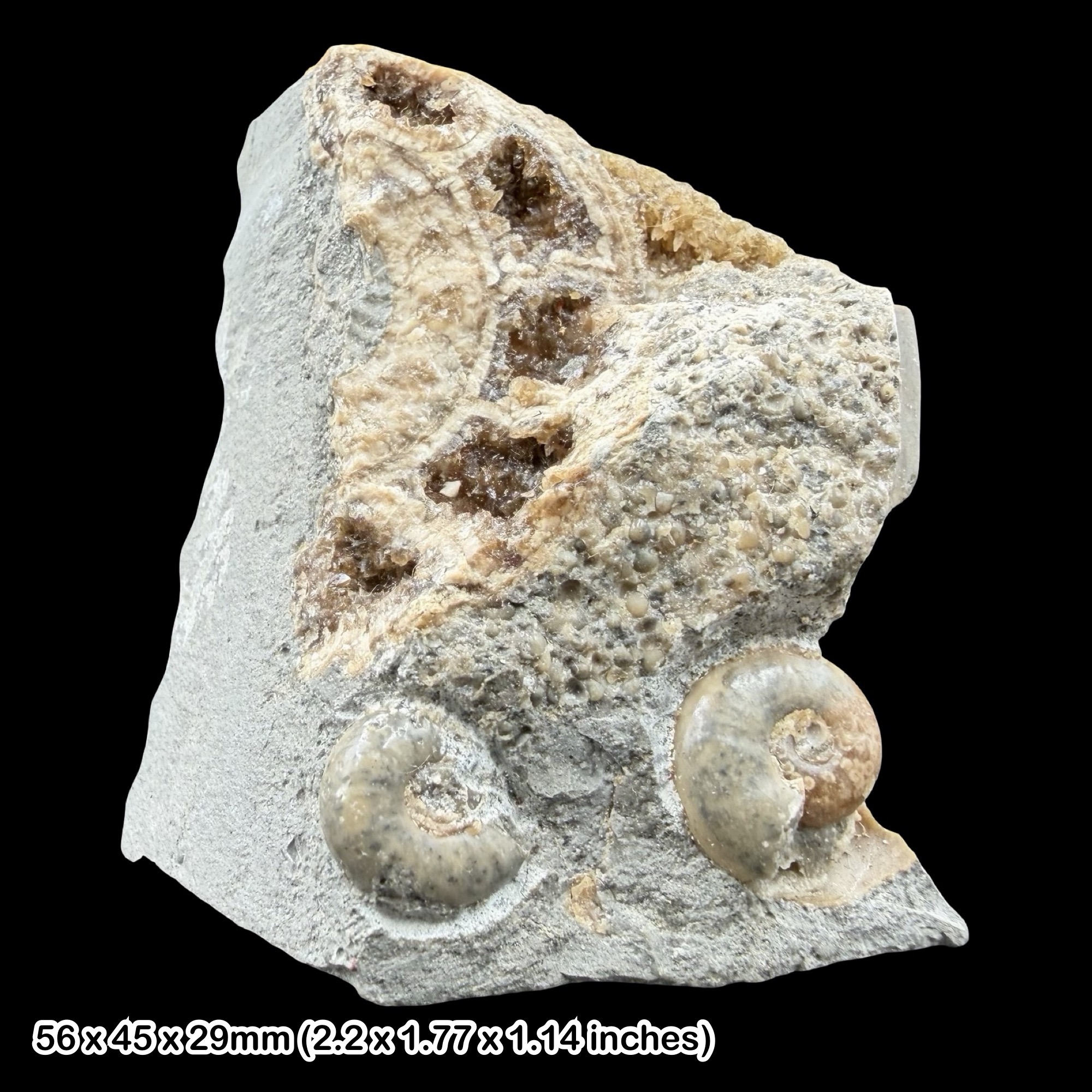
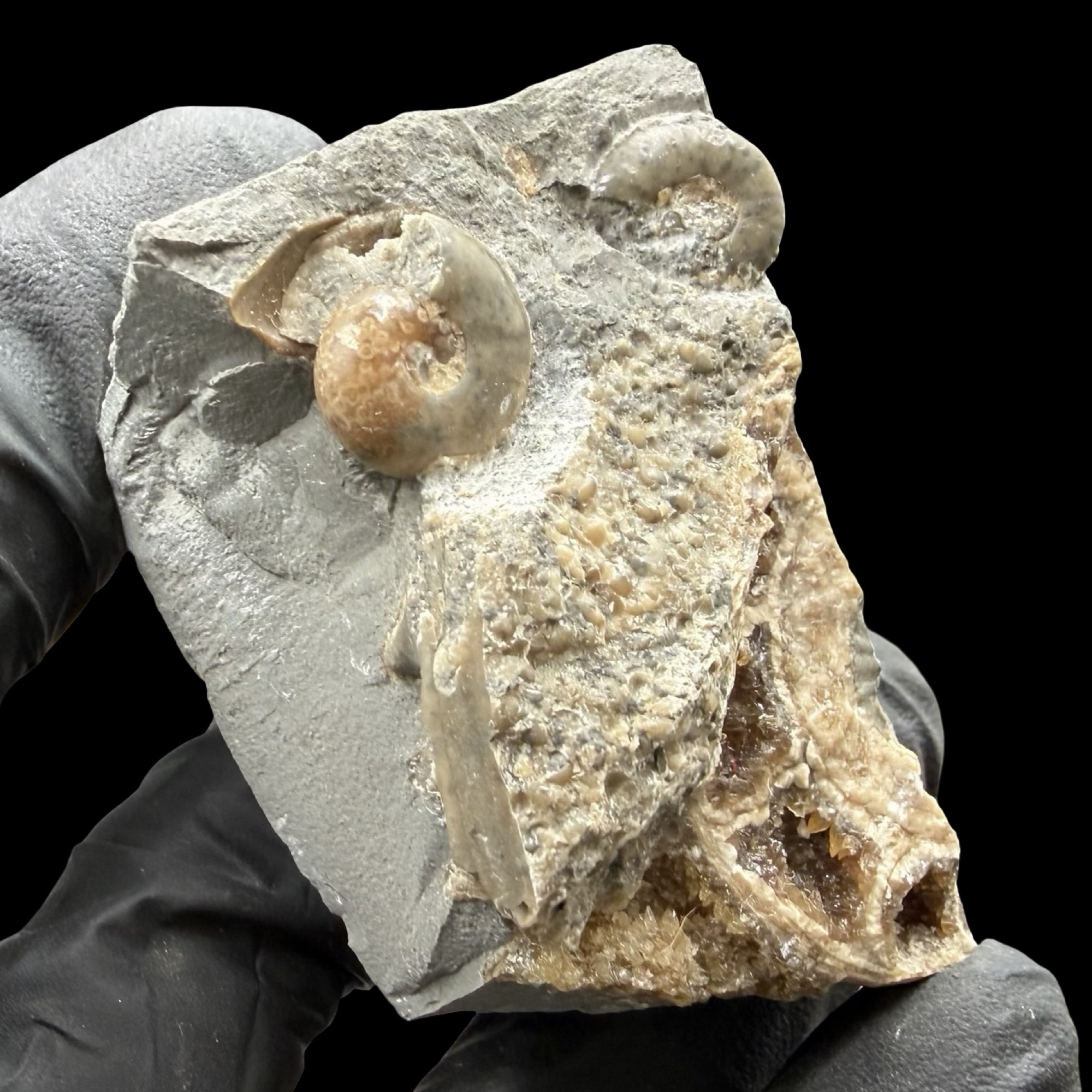
Witchellia connata Ammonite Fossil Bajocian Dorset UK COA Genuine Jurassic Rare, Inferior Oolite Burton Bradstock Collectable Fossil
£ 12.00
Genuine Witchellia connata Ammonite FossilThis listing is for a genuine Witchellia connata ammonite fossil from the
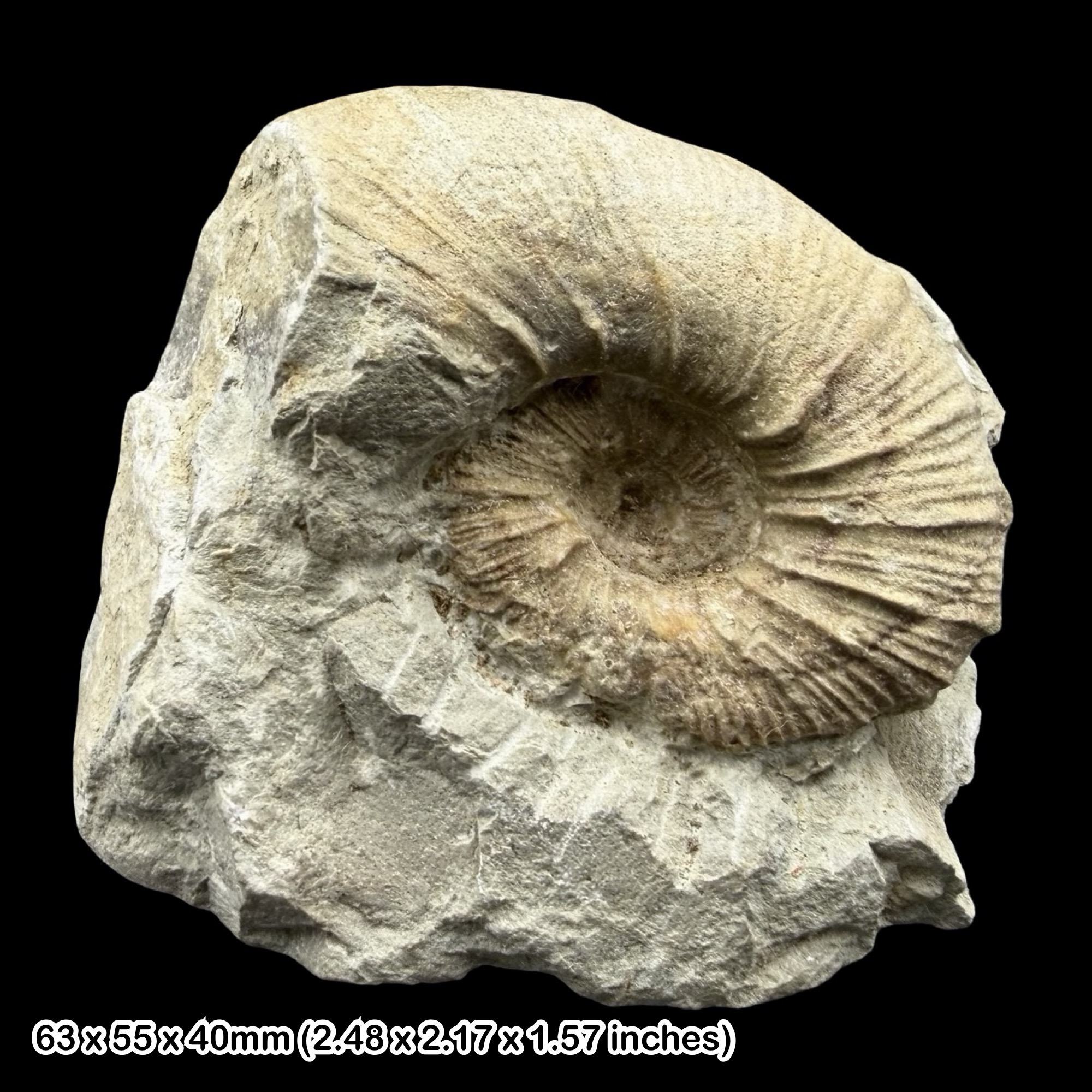
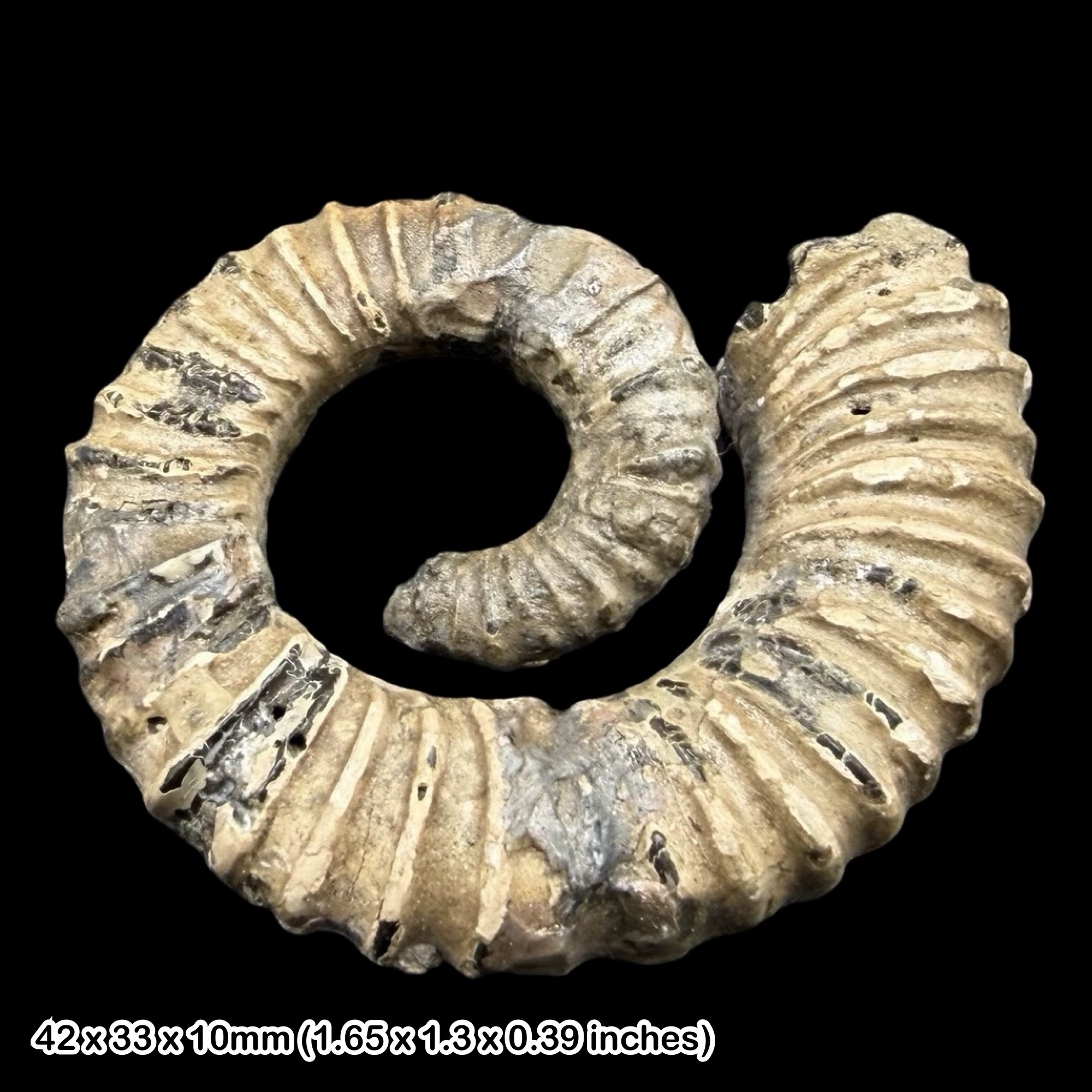
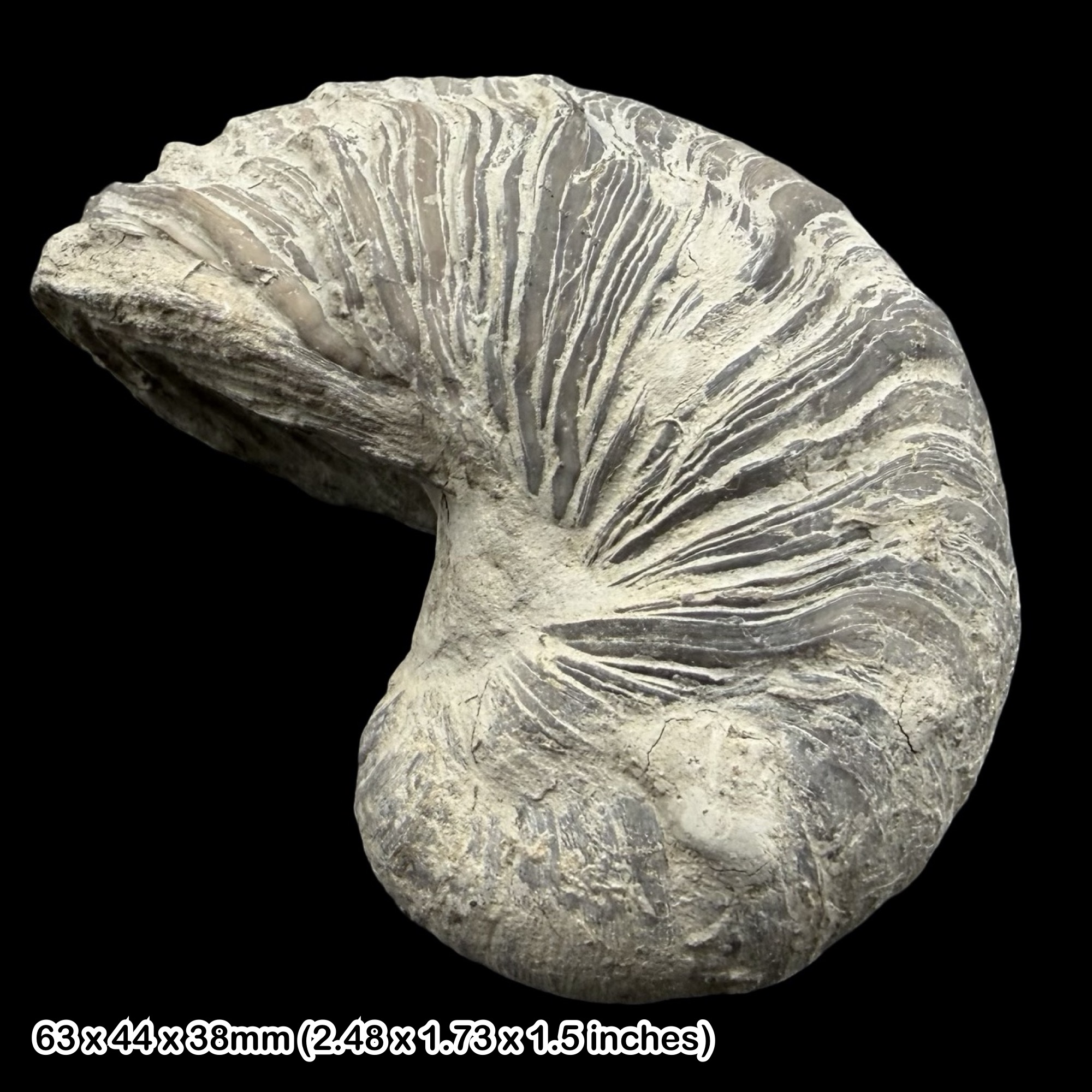
Inferior Oolite Group at Burton Bradstock, Dorset, UK. It dates to the Middle Jurassic, Bajocian stage, making it a highly collectable British ammonite from one of the classic fossil-bearing regions of the Jurassic Coast area. This carefully chosen fossil is a genuine specimen and includes a Certificate of Authenticity lifetime guarantee generic card.The photograph shows the actual fossil specimen you will receive, so the piece pictured is the exact fossil supplied. Full sizing details can be seen in the photo. This specimen is ideal for fossil collectors, geology enthusiasts, educational collections, natural history displays, and anyone interested in authentic British Jurassic ammonites.Species and Fossil TypeWitchellia connata is an ammonite, an extinct marine cephalopod related to modern squid, cuttlefish, octopus, and nautilus. Ammonites lived in ancient seas and possessed coiled, chambered shells. The living animal occupied the outer body chamber, while the inner chambers helped regulate buoyancy, allowing the ammonite to move through the water column.Witchellia is a well-known genus of Middle Jurassic ammonite associated with the Bajocian stage. Members of this group are often valued for their strongly coiled shell form, visible whorl development, and attractive ribbing. The genus is commonly placed among the hammatoceratid ammonites, a group of Jurassic ammonoids noted for their ornamented shells and usefulness in biostratigraphic study.Middle Jurassic Bajocian AgeThis fossil dates to the Bajocian stage of the Middle Jurassic Period, a time when warm shallow seas covered much of what is now southern England. These marine environments were rich in life, supporting ammonites, belemnites, bivalves, brachiopods, gastropods, echinoids, crinoids, fish, and marine reptiles.Ammonites from the Bajocian are especially important because they evolved rapidly and are widely used by geologists to date and correlate Jurassic rock layers. Their changing shell forms and species distributions allow palaeontologists to divide the Jurassic into precise ammonite zones and faunal intervals. A specimen such as Witchellia connata therefore has both decorative appeal and scientific interest as part of the wider story of Jurassic marine evolution.Inferior Oolite Group and Burton Bradstock LocalityThis specimen comes from the Inferior Oolite Group, a famous Middle Jurassic rock sequence in southern England. The Inferior Oolite is known for fossiliferous limestone and related marine sediments deposited in warm, shallow sea conditions. These rocks preserve a diverse fossil record and are especially well known for ammonites and other marine invertebrates.Burton Bradstock in Dorset is a highly regarded locality for Jurassic fossils. The coastal geology in this part of Dorset exposes fossil-bearing rocks that record ancient sea-floor environments, changing sea levels, and rich marine ecosystems. Fossils from this area are popular with collectors because they combine classic British provenance with strong geological interest.Morphology and Collectable FeaturesWitchellia ammonites are generally appreciated for their attractive spiral form and distinctive ribbed ornamentation. Depending on preservation, specimens may show clear whorl structure, curved ribs, a visible umbilicus, natural shell detail, and surrounding matrix from the Jurassic rock. These features make ammonites visually appealing while also preserving useful palaeontological information about shell growth and form.As a genuine natural fossil, this specimen may show age-related characteristics such as mineralisation, matrix attachment, surface texture, small chips, repairs, weathering, compression, or natural colour variation. These features are typical of authentic fossils and form part of the specimen’s individual character. This is not a modern replica, cast, or decorative imitation.Provenance and AuthenticityFossil type: AmmoniteSpecies: Witchellia connataAge: Middle Jurassic, BajocianGeological group: Inferior Oolite GroupLocality: Burton Bradstock, Dorset, UKCertificate: Includes a Certificate of Authenticity lifetime guarantee generic cardSpecimen shown: The photo shows the actual fossil you will receiveSize: Full sizing shown in the photoThis Witchellia connata ammonite fossil is a carefully selected British Jurassic natural history specimen with strong appeal for collectors of ammonites, Dorset fossils, Inferior Oolite fossils, cephalopods, and genuine prehistoric marine life. Its Bajocian age, Burton Bradstock provenance, classic ammonite form, and included Certificate of Authenticity make it a desirable addition to any fossil collection, display cabinet, educational set, or geology-themed gift.
Inferior Oolite Group at Burton Bradstock, Dorset, UK. It dates to the Middle Jurassic, Bajocian stage, making it a highly collectable British ammonite from one of the classic fossil-bearing regions of the Jurassic Coast area. This carefully chosen fossil is a genuine specimen and includes a Certificate of Authenticity lifetime guarantee generic card.The photograph shows the actual fossil specimen you will receive, so the piece pictured is the exact fossil supplied. Full sizing details can be seen in the photo. This specimen is ideal for fossil collectors, geology enthusiasts, educational collections, natural history displays, and anyone interested in authentic British Jurassic ammonites.Species and Fossil TypeWitchellia connata is an ammonite, an extinct marine cephalopod related to modern squid, cuttlefish, octopus, and nautilus. Ammonites lived in ancient seas and possessed coiled, chambered shells. The living animal occupied the outer body chamber, while the inner chambers helped regulate buoyancy, allowing the ammonite to move through the water column.Witchellia is a well-known genus of Middle Jurassic ammonite associated with the Bajocian stage. Members of this group are often valued for their strongly coiled shell form, visible whorl development, and attractive ribbing. The genus is commonly placed among the hammatoceratid ammonites, a group of Jurassic ammonoids noted for their ornamented shells and usefulness in biostratigraphic study.Middle Jurassic Bajocian AgeThis fossil dates to the Bajocian stage of the Middle Jurassic Period, a time when warm shallow seas covered much of what is now southern England. These marine environments were rich in life, supporting ammonites, belemnites, bivalves, brachiopods, gastropods, echinoids, crinoids, fish, and marine reptiles.Ammonites from the Bajocian are especially important because they evolved rapidly and are widely used by geologists to date and correlate Jurassic rock layers. Their changing shell forms and species distributions allow palaeontologists to divide the Jurassic into precise ammonite zones and faunal intervals. A specimen such as Witchellia connata therefore has both decorative appeal and scientific interest as part of the wider story of Jurassic marine evolution.Inferior Oolite Group and Burton Bradstock LocalityThis specimen comes from the Inferior Oolite Group, a famous Middle Jurassic rock sequence in southern England. The Inferior Oolite is known for fossiliferous limestone and related marine sediments deposited in warm, shallow sea conditions. These rocks preserve a diverse fossil record and are especially well known for ammonites and other marine invertebrates.Burton Bradstock in Dorset is a highly regarded locality for Jurassic fossils. The coastal geology in this part of Dorset exposes fossil-bearing rocks that record ancient sea-floor environments, changing sea levels, and rich marine ecosystems. Fossils from this area are popular with collectors because they combine classic British provenance with strong geological interest.Morphology and Collectable FeaturesWitchellia ammonites are generally appreciated for their attractive spiral form and distinctive ribbed ornamentation. Depending on preservation, specimens may show clear whorl structure, curved ribs, a visible umbilicus, natural shell detail, and surrounding matrix from the Jurassic rock. These features make ammonites visually appealing while also preserving useful palaeontological information about shell growth and form.As a genuine natural fossil, this specimen may show age-related characteristics such as mineralisation, matrix attachment, surface texture, small chips, repairs, weathering, compression, or natural colour variation. These features are typical of authentic fossils and form part of the specimen’s individual character. This is not a modern replica, cast, or decorative imitation.Provenance and AuthenticityFossil type: AmmoniteSpecies: Witchellia connataAge: Middle Jurassic, BajocianGeological group: Inferior Oolite GroupLocality: Burton Bradstock, Dorset, UKCertificate: Includes a Certificate of Authenticity lifetime guarantee generic cardSpecimen shown: The photo shows the actual fossil you will receiveSize: Full sizing shown in the photoThis Witchellia connata ammonite fossil is a carefully selected British Jurassic natural history specimen with strong appeal for collectors of ammonites, Dorset fossils, Inferior Oolite fossils, cephalopods, and genuine prehistoric marine life. Its Bajocian age, Burton Bradstock provenance, classic ammonite form, and included Certificate of Authenticity make it a desirable addition to any fossil collection, display cabinet, educational set, or geology-themed gift.
Other Products